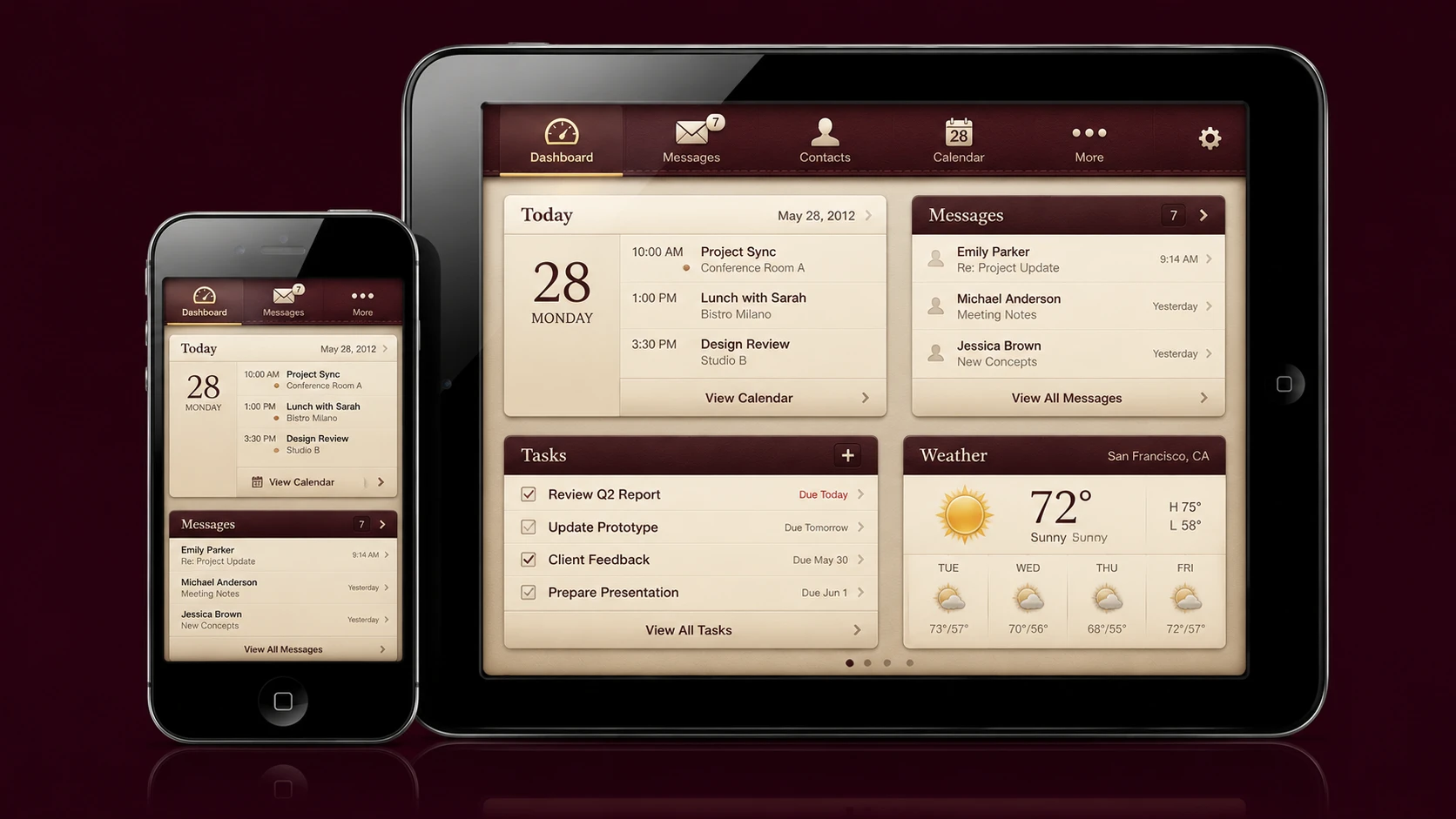
Mobile computing has become one of the fastest evolving segments of the software industry. In only a few years, smartphones have transformed from communication devices into sophisticated computing platforms capable of supporting enterprise productivity, multimedia applications, cloud services, and increasingly complex business workflows. At the same time, tablets have emerged as a new category of computing devices, creating additional opportunities—and new challenges—for application developers.
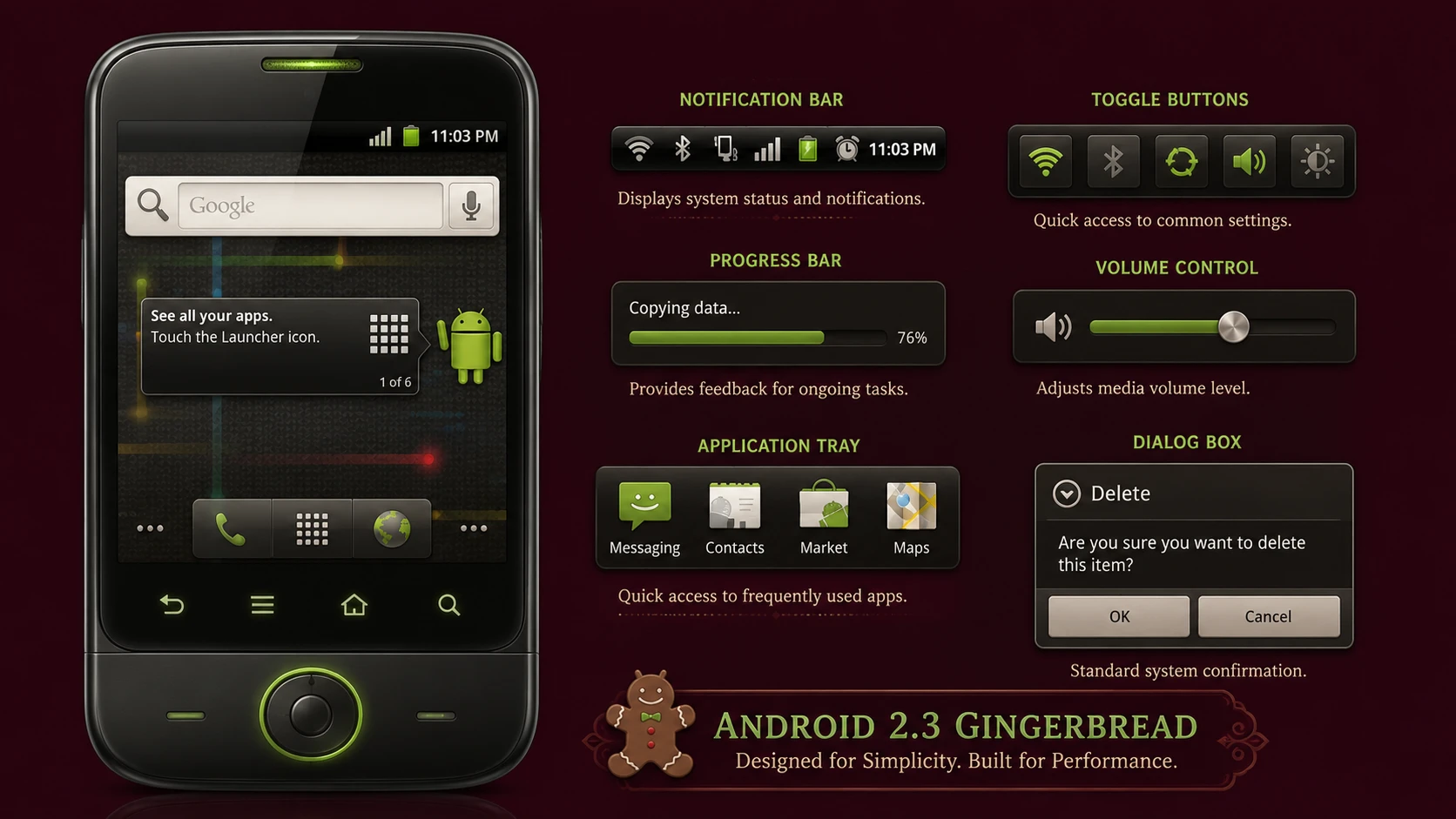
Until now, Android development has been divided between smartphone-focused releases such as Android 2.3 Gingerbread and tablet-focused releases such as Android 3.x Honeycomb. While both platforms share the same foundation, differences between them have introduced additional complexity for developers attempting to build applications that work consistently across multiple device categories.
During Google I/O 2011, Google announced Android Ice Cream Sandwich, the next major Android platform designed to bring phones and tablets together under a unified operating system. Although the platform is still under development, the announcement provides valuable insight into Google's long-term direction for Android and offers enterprise architects an opportunity to begin planning for a more consistent mobile development model.
The Evolution of Android
Android has experienced remarkable growth since its introduction. Successive platform releases have expanded functionality while improving performance and developer capabilities.
| Version | Primary Focus |
|---|---|
| Android 1.5 Cupcake | User experience improvements |
| Android 1.6 Donut | Device compatibility |
| Android 2.0/2.1 Eclair | Navigation and account enhancements |
| Android 2.2 Froyo | Performance improvements and JIT compiler |
| Android 2.3 Gingerbread | Smartphone optimization |
| Android 3.x Honeycomb | Tablet-specific experience |
| Android Ice Cream Sandwich | Unified phone and tablet platform |
The progression reflects Android's rapid evolution as Google continues expanding the capabilities of its mobile operating system.
Why Platform Unification Matters
Supporting separate platforms for smartphones and tablets increases development effort.
Development teams often maintain:
- ◆Separate user interface layouts
- ◆Different testing procedures
- ◆Device-specific optimizations
- ◆Multiple deployment strategies
- ◆Independent quality assurance efforts
A unified platform has the potential to simplify application architecture while improving consistency across Android devices.
For enterprise organizations managing large mobile portfolios, reducing platform fragmentation can translate into lower maintenance costs and faster software delivery.
Google's Vision for Ice Cream Sandwich
Based on information presented during Google I/O, Ice Cream Sandwich is intended to combine the strengths of Gingerbread and Honeycomb.
Expected objectives include:
- ◆Unified operating system for phones and tablets
- ◆Consistent application framework
- ◆Shared developer APIs
- ◆Improved user interface consistency
- ◆Better hardware utilization
- ◆Continued innovation across mobile devices
Rather than maintaining separate operating system branches, Google aims to establish a common platform capable of supporting diverse device types.
Enterprise Architecture Implications
A unified Android platform can simplify enterprise mobility architecture.
Typical mobile architecture:
Android Application
        |
Android Framework
        |
HTTP / Web Services
        |
Enterprise Application Server
        |
Business Services
        |
Enterprise Database
Regardless of screen size, applications can continue relying on common enterprise service layers while adapting their presentation for different devices.
This architectural separation encourages reuse of business logic across multiple client experiences.
Reducing Fragmentation
Fragmentation has become one of the most widely discussed topics within the Android ecosystem.
Differences in:
- ◆Operating system versions
- ◆Screen sizes
- ◆Hardware capabilities
- ◆Manufacturer customizations
can complicate application development.
Platform unification represents one step toward reducing some of these challenges by providing developers with a more consistent target platform.
Although device diversity will remain an important consideration, a unified operating system may simplify long-term planning.
User Interface Adaptability
Enterprise applications increasingly need to support multiple form factors.
Developers should design interfaces that:
- ◆Scale gracefully across screen sizes
- ◆Separate business logic from presentation
- ◆Prioritize essential business tasks
- ◆Minimize duplicated layouts
Rather than creating completely independent applications for each device category, adaptable user interface design becomes increasingly important.
Enterprise Mobility Opportunities
Organizations continue expanding their use of mobile technology.
Common scenarios include:
Sales Force Automation
Sales teams require mobile access to:
- ◆Customer records
- ◆Product catalogs
- ◆Pricing information
- ◆Opportunity management
Applications supporting both smartphones and tablets provide greater flexibility for field personnel.
Healthcare
Healthcare organizations increasingly deploy mobile solutions for:
- ◆Patient information
- ◆Appointment management
- ◆Clinical documentation
- ◆Medical reference materials
Tablets may provide enhanced usability in clinical environments while smartphones support mobile access away from workstations.
Logistics
Transportation companies benefit from mobile applications supporting:
- ◆Route planning
- ◆Delivery confirmation
- ◆Warehouse operations
- ◆Inventory tracking
Unified development simplifies deployment across multiple device categories.
Executive Dashboards
Business intelligence applications often benefit from larger tablet displays while remaining accessible on smartphones during travel.
Cloud Integration
Mobile applications increasingly depend upon cloud-hosted services.
Typical enterprise integrations include:
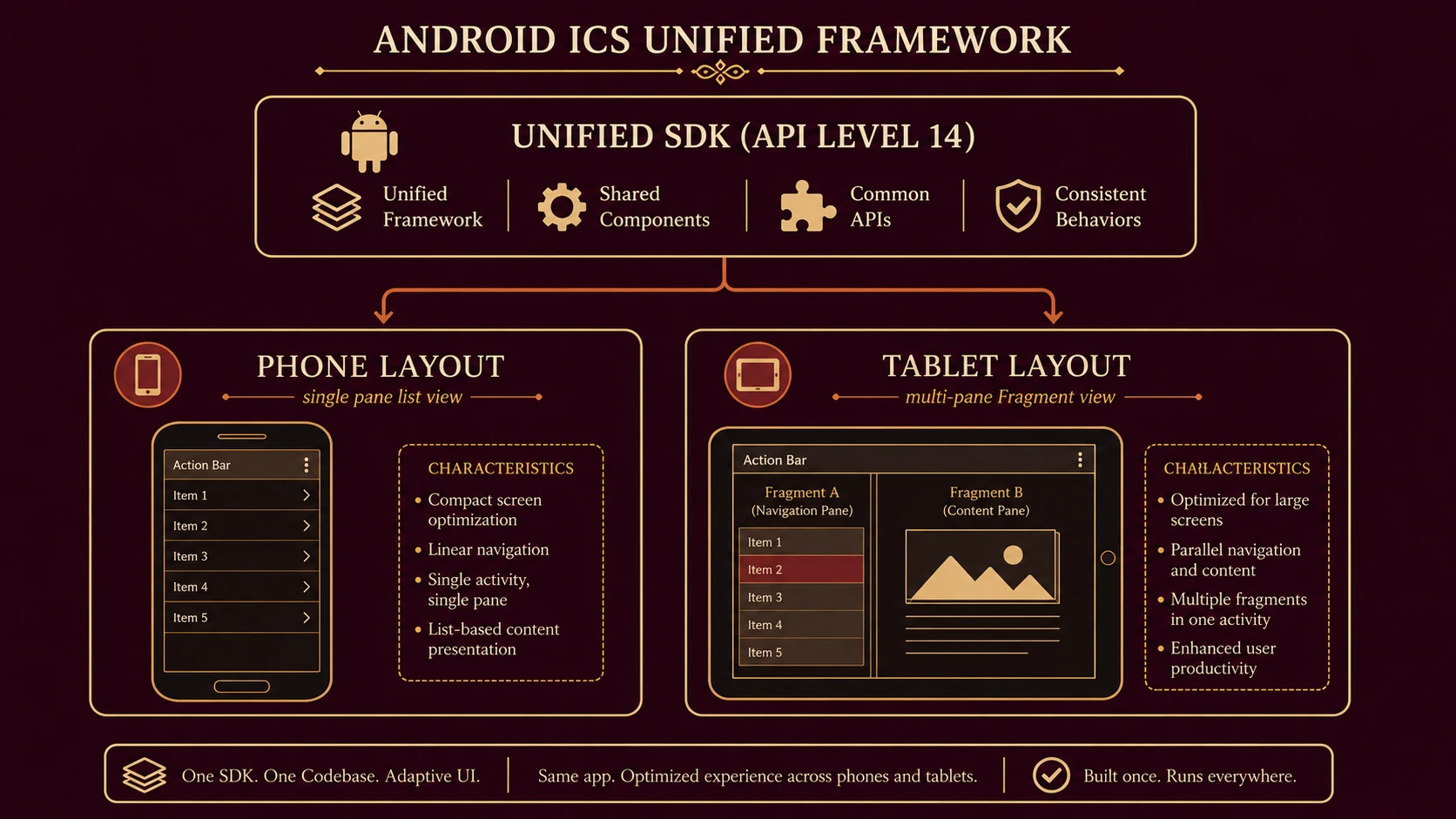
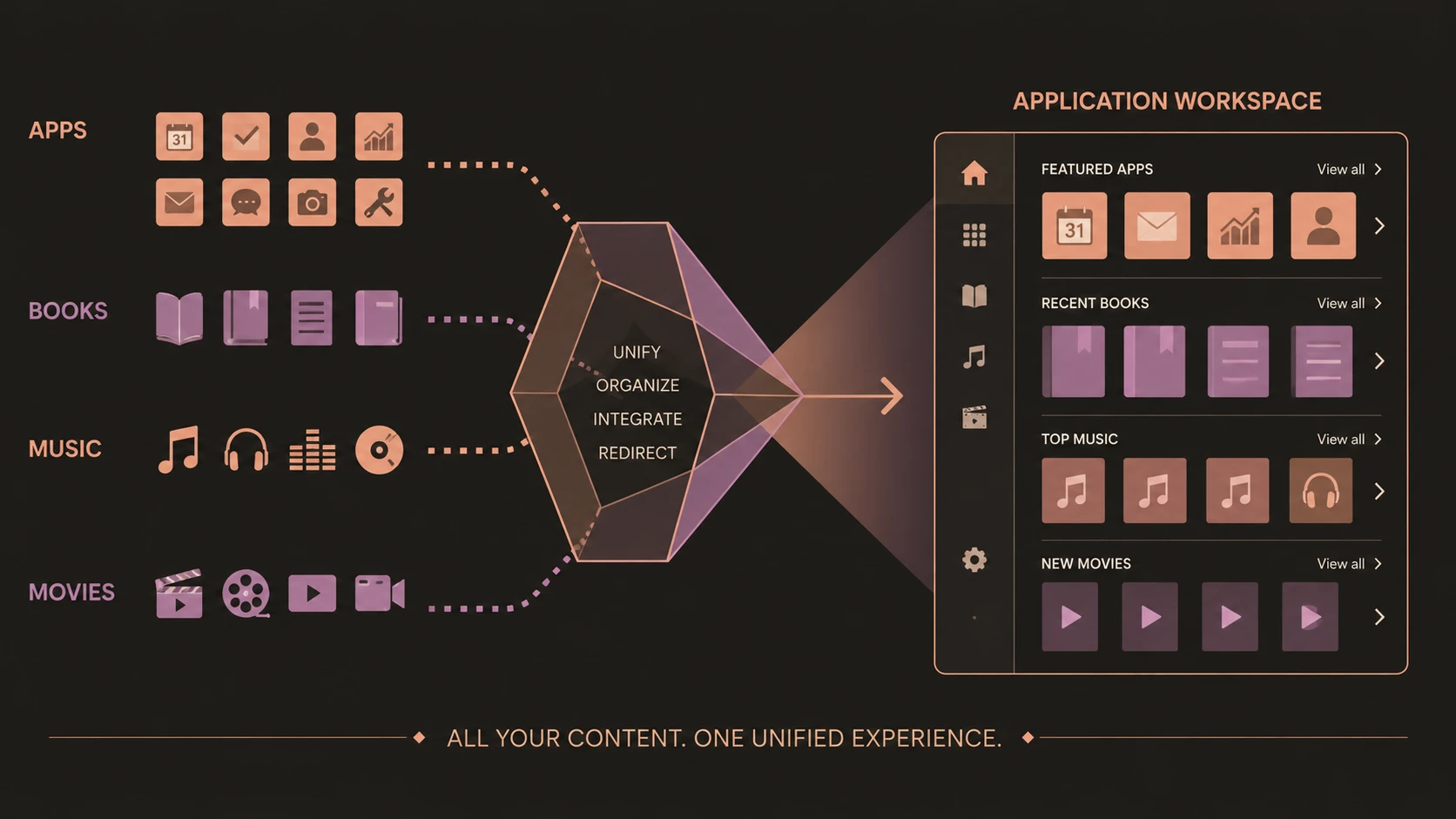
SDK framework stack showing unified platform layouts for unified target devices.
- ◆REST-style HTTP APIs
- ◆Web services
- ◆Authentication services
- ◆CRM platforms
- ◆ERP systems
- ◆Reporting services
Separating client applications from enterprise services improves maintainability regardless of device type.
Performance Considerations
A unified platform does not eliminate the need for efficient application design.
Developers should continue focusing on:
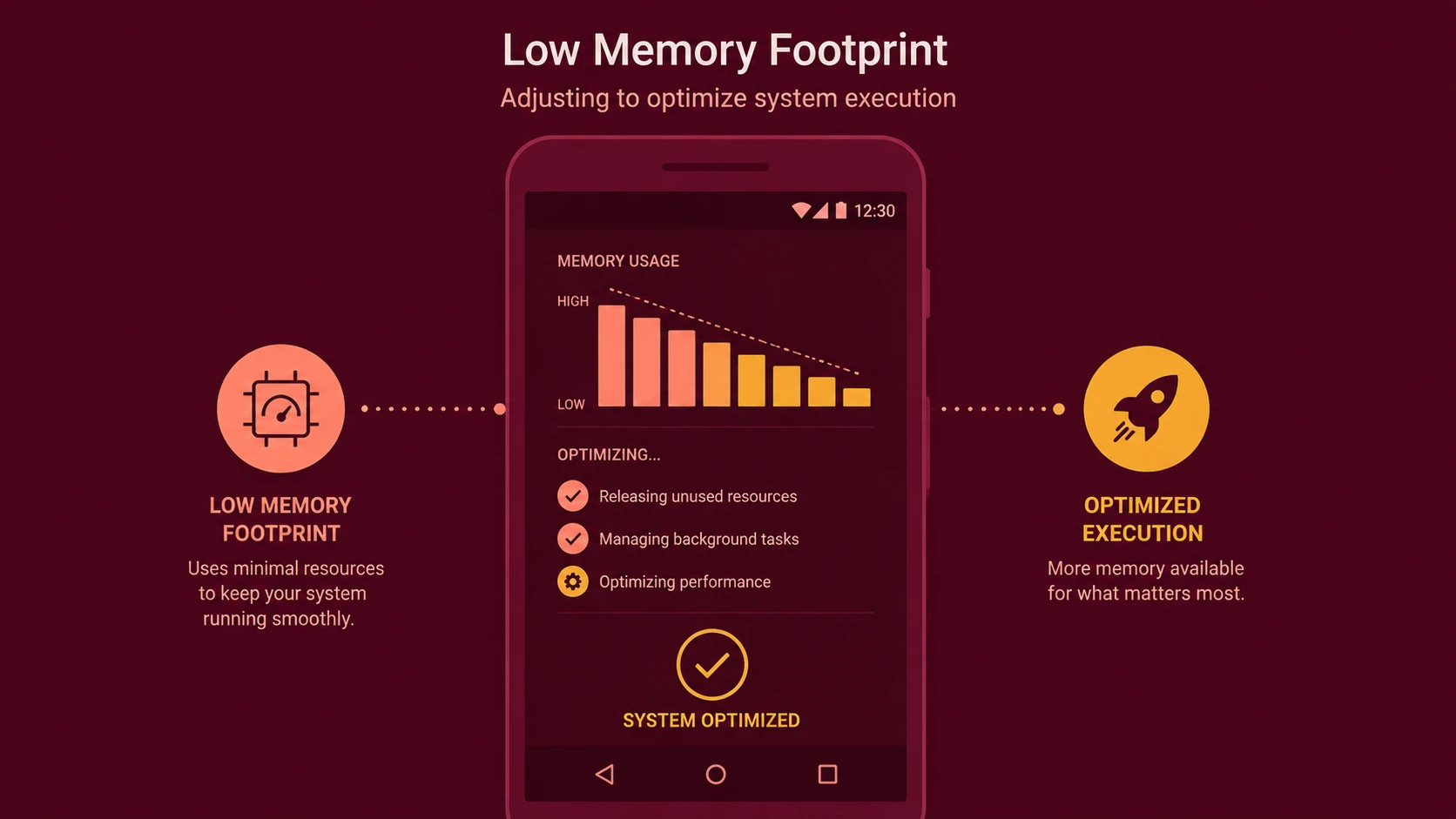
- ◆Efficient memory usage
- ◆Optimized network communication
- ◆Responsive user interfaces
- ◆Background processing
- ◆Battery conservation
Performance remains essential for enterprise adoption, particularly in field environments.
Security Considerations
Business applications frequently process sensitive information.
Enterprise development teams should evaluate:
- ◆Secure communication using HTTPS
- ◆Authentication mechanisms
- ◆Authorization policies
- ◆Local data protection
- ◆Session management
- ◆Device security policies
Security planning should remain independent of screen size or device category.
Development Best Practices
Organizations preparing for Android's unified platform should consider several architectural recommendations.
Separate Business Logic
Keep application logic independent of user interface components.
Build Flexible Layouts
Design interfaces capable of adapting to multiple screen sizes.
Reuse Enterprise Services
Centralize business functionality through service-oriented architectures.
Test Across Devices
Device diversity will continue requiring comprehensive testing.
Monitor Platform Updates
Development teams should evaluate new SDK releases carefully before introducing additional platform features.
Common Challenges
Although platform unification offers significant promise, organizations should recognize several ongoing challenges.
Device Diversity
Hardware manufacturers continue producing devices with varying capabilities.
Operating System Adoption
New platform releases require time before broad deployment across the Android ecosystem.
Testing Complexity
Comprehensive testing remains essential despite increased platform consistency.
Enterprise Deployment Policies
IT departments should establish clear standards governing supported devices and operating system versions.
Comparing Earlier Android Development with Ice Cream Sandwich
| Gingerbread / Honeycomb Approach | Ice Cream Sandwich Vision |
|---|---|
| Separate smartphone and tablet focus | Unified platform |
| Different optimization priorities | Shared development model |
| Increased maintenance effort | Greater code reuse |
| Independent platform evolution | Common platform direction |
| Device-specific planning | Broader application consistency |
Although implementation details will continue evolving as the platform approaches release, Google's direction is becoming increasingly clear.
Common Mistakes
Organizations planning Android development often encounter similar issues.
Building Separate Applications
Maintaining completely independent smartphone and tablet applications increases development and maintenance effort.
Ignoring Screen Adaptability
Applications should scale gracefully rather than assuming fixed display dimensions.
Overlooking Service Architecture
Business functionality should reside in reusable service layers rather than device-specific implementations.
Neglecting Testing
Applications should be validated across representative hardware configurations.
Delaying Platform Evaluation
Development teams benefit from monitoring platform evolution early rather than waiting until broad enterprise deployment.
Adoption Recommendations
Organizations preparing for Android Ice Cream Sandwich should adopt a structured evaluation strategy.
Recommended roadmap:
- 1.Review existing Android applications.
- 2.Separate business logic from presentation.
- 3.Build flexible layouts.
- 4.Standardize enterprise service interfaces.
- 5.Evaluate the upcoming SDK as it becomes available.
- 6.Expand device testing procedures.
- 7.Prepare long-term mobile architecture for unified platform development.
This incremental approach minimizes disruption while positioning organizations to take advantage of Android's evolving capabilities.
Looking Ahead
Google's announcement of Android Ice Cream Sandwich represents an important milestone in the evolution of the Android platform. By pursuing a unified operating system for smartphones and tablets, Google is signaling a commitment to reducing development complexity while providing a more consistent experience for both users and software developers.
Although the platform remains under development following its announcement at Google I/O 2011, enterprise architects should begin evaluating how unified Android development can influence future mobile application strategies. Organizations that invest in adaptable user interfaces, reusable enterprise services, and scalable mobile architectures will be well positioned to support the next generation of Android devices as the platform continues to mature.