Introduction
The web has undergone multiple architectural shifts over the past three decades. Static websites evolved into dynamic applications, which later matured into cloud-native Software-as-a-Service (SaaS) platforms. Single Page Applications, Progressive Web Applications, serverless computing, edge platforms, and AI-assisted development have each expanded the role of the browser beyond simple document rendering.
The widespread availability of large language models and multimodal AI systems is driving another transformation. Increasingly, users expect software to understand natural language, summarize information, automate repetitive tasks, generate content, analyze documents, and coordinate workflows across multiple applications. Rather than navigating complex interfaces manually, users increasingly interact with intelligent assistants capable of performing actions on their behalf.
This shift suggests an emerging architectural model in which browsers become active participants in application workflows rather than passive presentation layers. AI-powered browser experiences can interpret user intent, coordinate API calls, retrieve enterprise knowledge, automate business processes, and collaborate with external services while maintaining human oversight.
As of January 2024, organizations are actively exploring AI-native application architectures that combine traditional web technologies with generative AI, retrieval systems, automation platforms, and secure enterprise integrations.
Industry Background
Several technology trends are accelerating AI-first application development:
- ◆Generative AI platforms
- ◆Large Language Models (LLMs)
- ◆Retrieval-Augmented Generation (RAG)
- ◆AI copilots
- ◆API-first ecosystems
- ◆Cloud-native platforms
- ◆Edge computing
- ◆Intelligent automation
Organizations increasingly view AI as an application capability rather than a standalone product.
The Business Problem
Traditional web applications often require users to:
- ◆Navigate multiple interfaces
- ◆Perform repetitive workflows
- ◆Search across disconnected systems
- ◆Translate business intent into technical actions
- ◆Manage increasing information volume
- ◆Coordinate multiple applications manually
Businesses seek applications capable of understanding intent, simplifying workflows, and assisting users without removing human decision-making.
Understanding AI-First Web Applications
AI-first applications integrate intelligent capabilities directly into user experiences.
Rather than simply responding to interface events, applications increasingly:
- ◆Interpret natural language
- ◆Retrieve relevant knowledge
- ◆Recommend actions
- ◆Generate structured outputs
- ◆Automate repetitive tasks
- ◆Coordinate enterprise APIs
The browser becomes an intelligent interaction layer connecting users with business systems.
Core Architecture
| Component | Responsibility |
|---|---|
| Browser Client | User interaction and AI interface |
| AI Orchestration Layer | Coordinates prompts, tools, and workflows |
| Large Language Model | Natural language understanding and generation |
| Retrieval System | Provides grounded enterprise knowledge |
| Enterprise APIs | Execute business operations |
| Identity Platform | Authentication and authorization |
| Observability Platform | Monitoring, auditing, and governance |
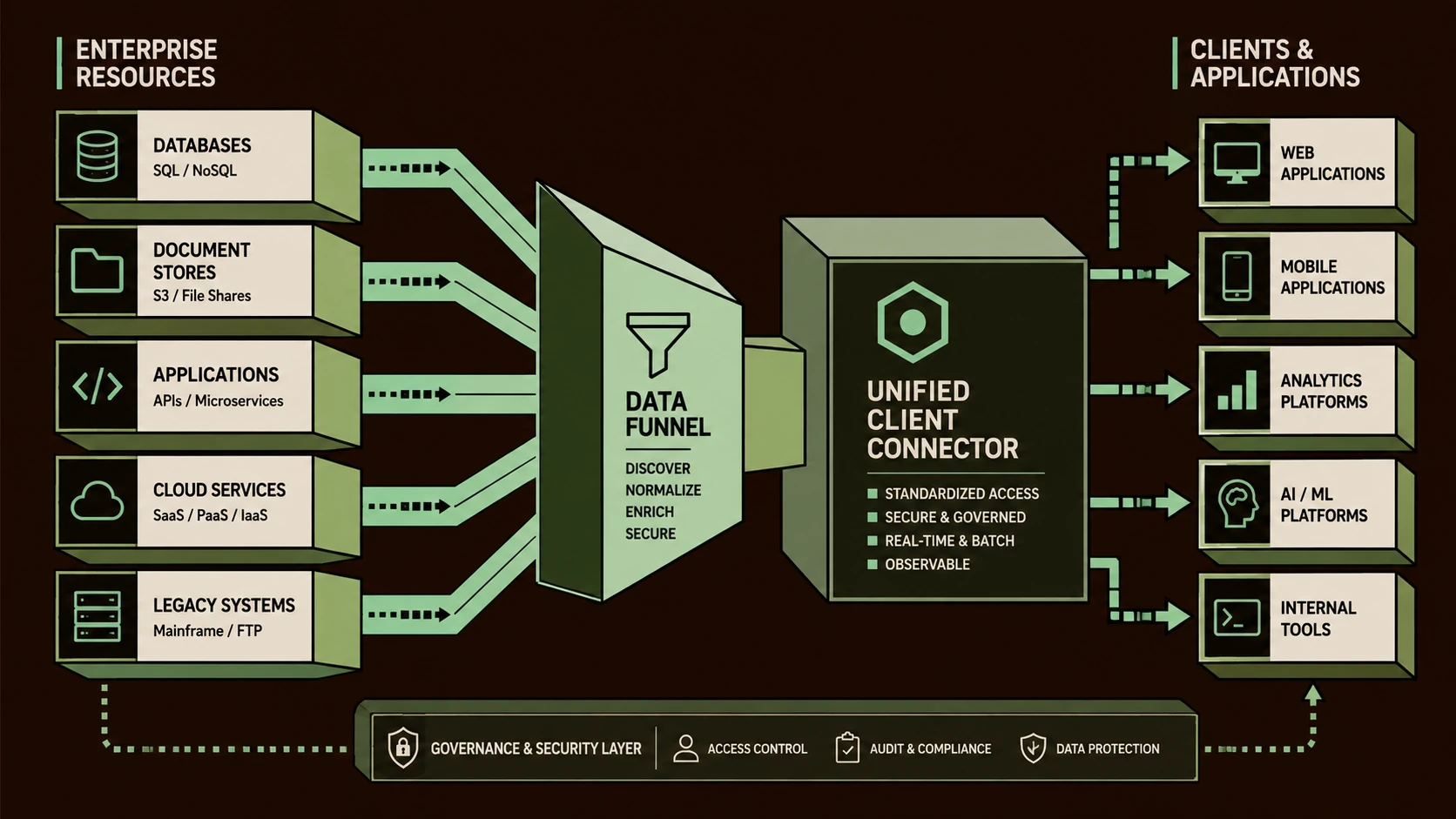
This architecture separates reasoning, business logic, and enterprise systems while maintaining security and operational visibility.
Browser as an Intelligent Agent
Modern browsers increasingly support AI-assisted experiences through:
- ◆Conversational interfaces
- ◆Workflow orchestration
- ◆Context awareness
- ◆Intelligent form assistance
- ◆Content generation
- ◆Multi-step task execution
Importantly, the browser itself is not replacing backend systems. Instead, it becomes a coordination layer that helps users interact with existing enterprise services more naturally.
Natural Language Interfaces
Traditional enterprise applications expose functionality through menus, forms, dashboards, and navigation structures.
AI-first applications add conversational interaction as an additional interface.
Potential capabilities include:
- ◆Business queries
- ◆Workflow initiation
- ◆Document summarization
- ◆Report generation
- ◆Search assistance
- ◆Context-aware recommendations
Natural language complements graphical interfaces rather than replacing them.
AI-Orchestrated Workflows
Many enterprise processes involve multiple independent systems.
An AI orchestration layer can coordinate:
- ◆CRM platforms
- ◆ERP systems
- ◆Document repositories
- ◆Collaboration tools
- ◆Analytics platforms
- ◆Internal APIs
Typical workflow:
- 1.User expresses business intent.
- 2.AI interprets the request.
- 3.Relevant enterprise knowledge is retrieved.
- 4.Required APIs are identified.
- 5.Business actions are proposed.
- 6.User approves sensitive operations.
- 7.Results are presented in a conversational format.
This approach reduces manual coordination while preserving human oversight.
Retrieval-Augmented Experiences
Generative AI should be grounded in trusted enterprise information whenever possible.
Retrieval systems allow AI to reference:
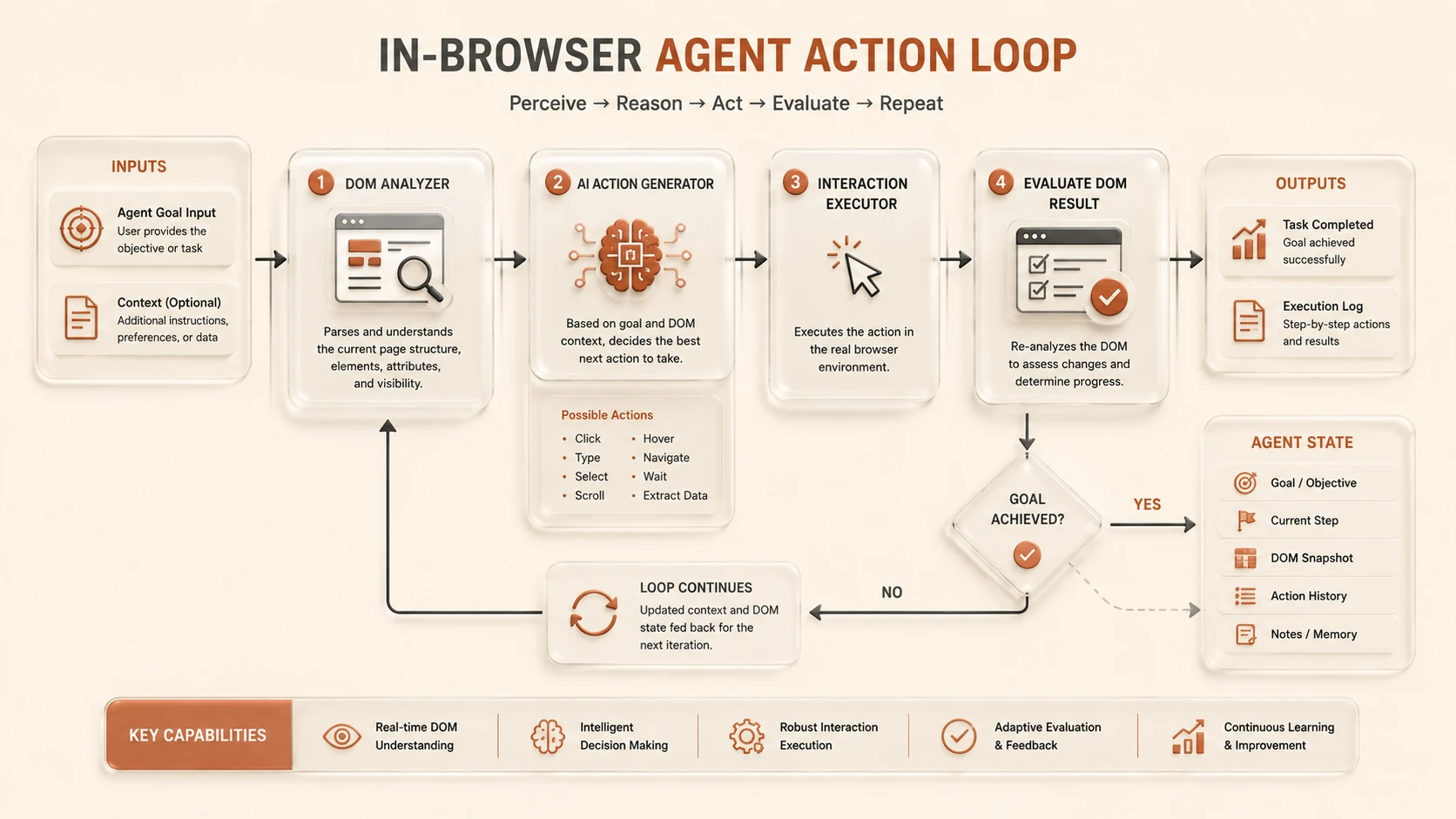
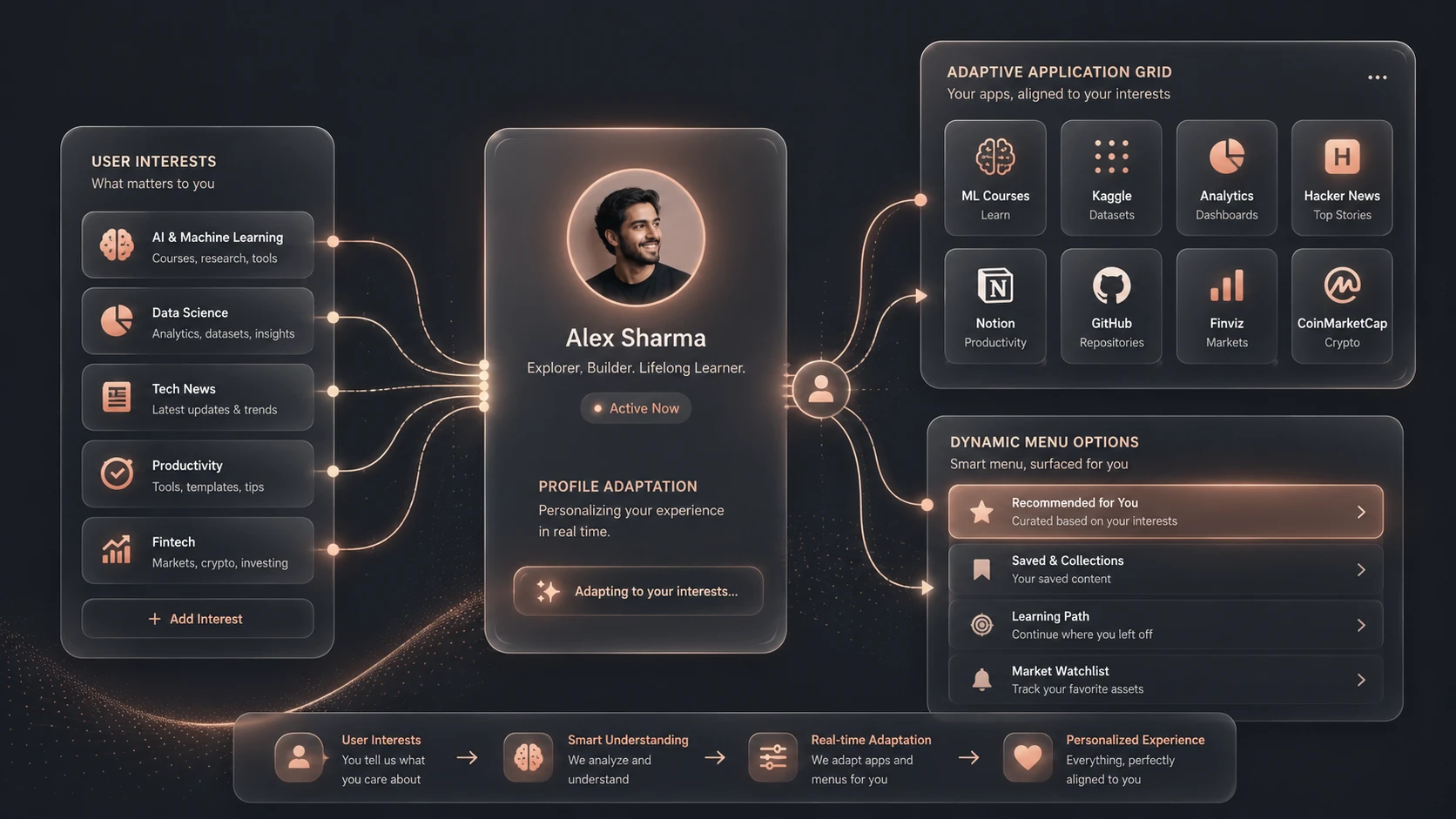
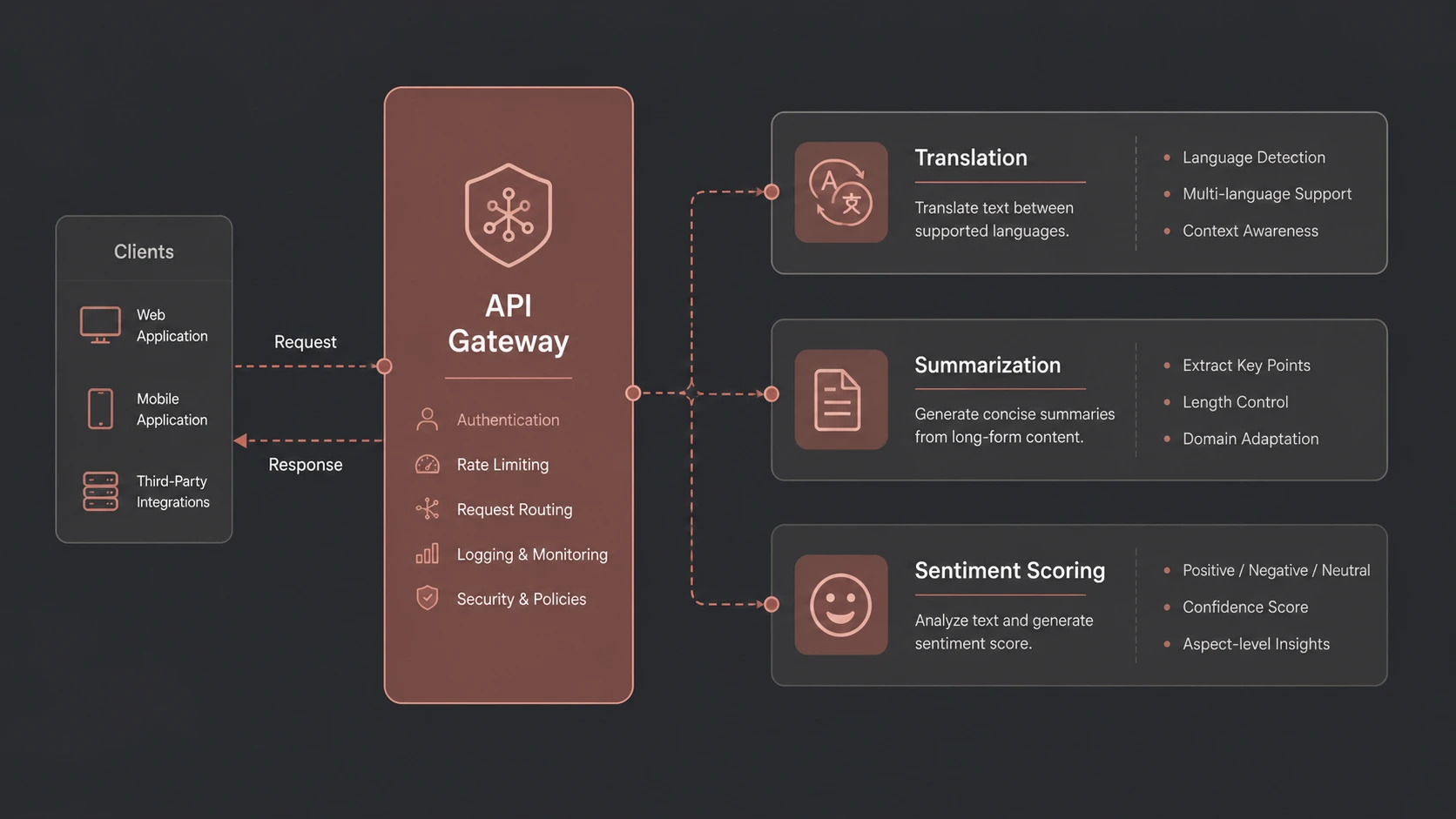
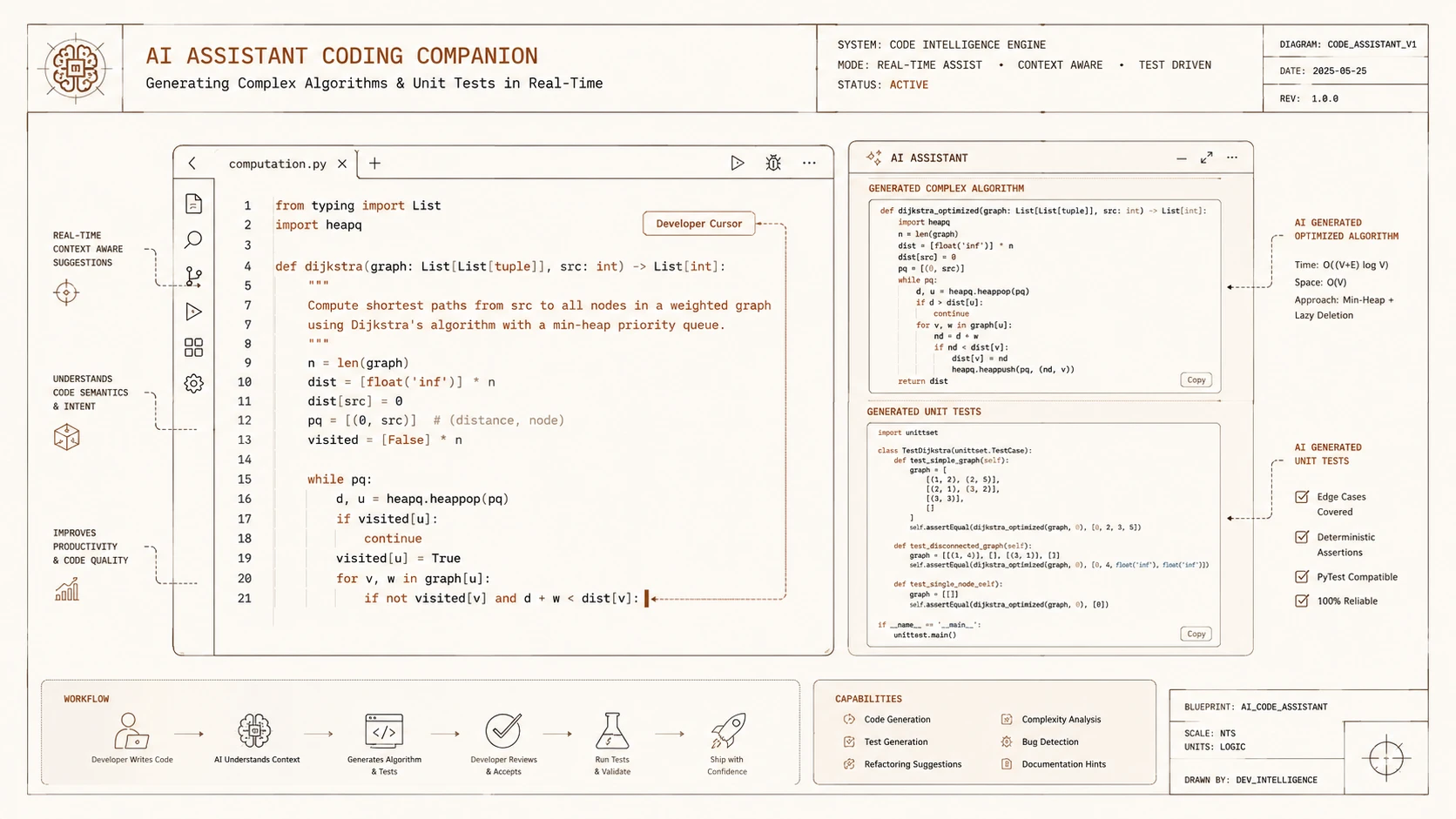
System architecture diagram and conceptual workflow layout for When Browsers Become Agents.
- ◆Internal documentation
- ◆Product catalogs
- ◆Knowledge bases
- ◆Policy documents
- ◆Technical manuals
- ◆Customer information subject to authorization controls
Grounded responses improve relevance while reducing unsupported or outdated answers.
Enterprise Use Cases
| Scenario | Benefit |
|---|---|
| Customer Support Portals | AI-assisted issue resolution |
| Enterprise Dashboards | Natural language analytics |
| HR Systems | Policy guidance and onboarding assistance |
| CRM Platforms | Intelligent customer insights |
| Document Management | Automated summarization and search |
| Developer Portals | AI-assisted API discovery and documentation |
Organizations can improve productivity by embedding AI directly into existing business workflows.
Performance Considerations
AI-first applications should be evaluated using:
- ◆Response latency
- ◆Retrieval performance
- ◆API orchestration efficiency
- ◆Token utilization
- ◆User interaction time
- ◆End-to-end workflow completion
Performance optimization should balance responsiveness with answer quality and operational cost.
Security Considerations
AI-enabled web applications require comprehensive security and governance.
Organizations should continue implementing:
- ◆Identity and access management
- ◆Role-based authorization
- ◆Data classification
- ◆Secure API gateways
- ◆Audit logging
- ◆Prompt and input validation
- ◆Human approval for high-impact operations
AI should operate within established enterprise security boundaries rather than bypassing them.
Scalability
AI-first architectures support enterprise growth through:
- ◆Modular AI services
- ◆API-driven integration
- ◆Distributed inference strategies
- ◆Shared retrieval platforms
- ◆Reusable orchestration components
These capabilities enable organizations to expand AI functionality across multiple business applications while maintaining consistent governance.
Best Practices
Organizations building AI-first web applications should:
- ◆Design AI as an assistive capability with clear user control.
- ◆Ground responses using trusted enterprise knowledge where appropriate.
- ◆Separate business logic from AI reasoning.
- ◆Maintain transparent audit trails for AI-assisted actions.
- ◆Implement approval workflows for sensitive operations.
- ◆Continuously evaluate response quality and user feedback.
- ◆Optimize prompts and retrieval strategies based on measurable outcomes.
- ◆Train teams in responsible AI development practices.
Successful AI-first applications combine intelligent automation with predictable software engineering principles.
Common Mistakes
Organizations should avoid:
- ◆Assuming conversational interfaces eliminate the need for traditional navigation.
- ◆Allowing AI systems unrestricted access to enterprise resources.
- ◆Building AI workflows without governance or observability.
- ◆Treating generated responses as authoritative without appropriate validation.
- ◆Ignoring user transparency regarding AI-generated content.
- ◆Designing applications around AI capabilities rather than business objectives.
AI should enhance enterprise workflows while preserving security, accountability, and user trust.
Technology Comparison
| Capability | Traditional Web Application | AI-First Web Application |
|---|---|---|
| Primary Interaction | Menus, forms, dashboards | Graphical interfaces plus conversational assistance |
| Workflow Execution | User-driven | AI-assisted with human oversight |
| Search | Keyword-based | Intent-aware retrieval |
| Knowledge Access | Manual navigation | Context-aware assistance |
| Automation | Rule-based workflows | AI-orchestrated workflows |
| User Experience | Task navigation | Goal-oriented collaboration |
AI-first architecture extends traditional web applications by introducing intelligent assistance rather than replacing established enterprise systems.
Adoption Strategy
Organizations should adopt AI-first capabilities incrementally.
A practical roadmap includes:
- 1.Identify repetitive, high-value user workflows.
- 2.Integrate conversational interfaces where they improve usability.
- 3.Build secure retrieval systems for enterprise knowledge.
- 4.Introduce AI-assisted recommendations before full workflow orchestration.
- 5.Implement governance, monitoring, and approval mechanisms.
- 6.Measure user adoption, productivity, and accuracy.
- 7.Expand AI capabilities based on validated business outcomes.
Incremental adoption minimizes operational risk while allowing organizations to build confidence in AI-assisted workflows.
Limitations
As of January 2024, organizations should recognize several considerations.
Current observations include:
- ◆AI systems may generate inaccurate or incomplete responses if not grounded in reliable data.
- ◆Enterprise governance remains essential for protecting sensitive information and business processes.
- ◆Human oversight continues to be important for high-impact decisions and regulated workflows.
- ◆Successful AI-first applications depend on thoughtful integration with existing systems rather than replacing proven enterprise architectures.
Organizations should therefore evaluate AI-first development according to measurable business value, user needs, and operational readiness.
Looking Ahead
As of January 2024, web application architecture is entering a new phase in which intelligent assistants become integrated collaborators rather than standalone features. By combining conversational interfaces, retrieval-augmented knowledge, secure API orchestration, and enterprise governance, organizations can simplify complex workflows while preserving reliability and accountability.
For enterprise architects, CTOs, product leaders, and engineering teams, the strategic objective is not to replace traditional web applications with AI, but to enhance them with intelligent capabilities that improve productivity, decision support, and user experience. Organizations that invest in secure AI architectures, responsible governance, and user-centered design will be well positioned for the next generation of enterprise software.