Introduction
Software engineering has continually evolved through higher levels of abstraction. Assembly language gave way to high-level programming languages, integrated development environments improved productivity, source control transformed collaboration, and DevOps automated software delivery. Each technological shift enabled engineers to spend less time on repetitive implementation tasks and more time solving business problems.
The emergence of Large Language Models (LLMs) represents another major transition. Unlike previous automation technologies that primarily automated infrastructure or build pipelines, generative AI assists directly with software development itself. Developers can now generate boilerplate code, explain unfamiliar APIs, summarize documentation, create unit tests, assist with debugging, generate SQL queries, and accelerate architectural exploration using conversational interfaces.
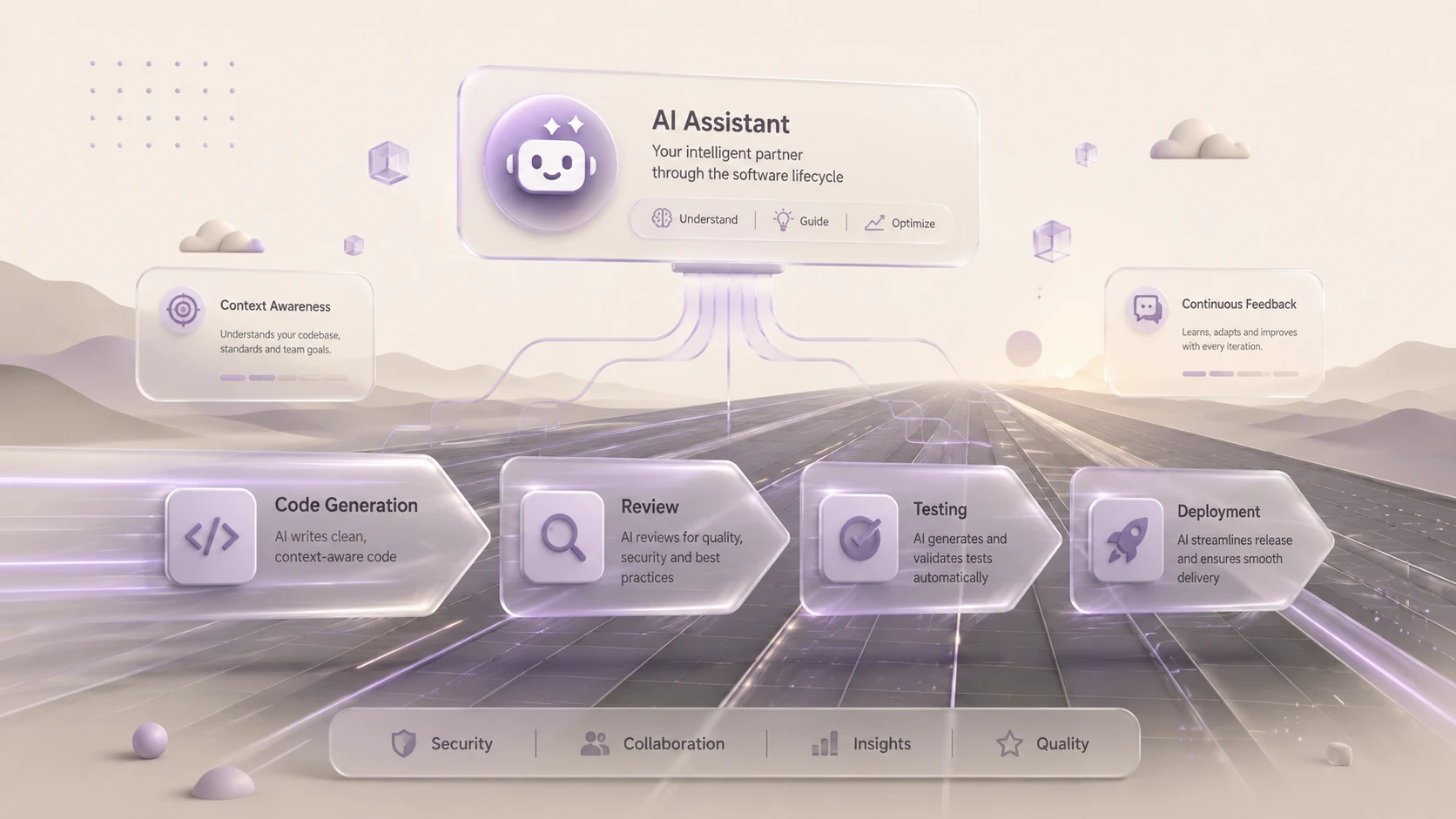
This new approach has led to the concept of AI-Augmented Engineering. Rather than replacing software developers, AI increasingly functions as an intelligent collaborator that assists engineers throughout the Software Development Lifecycle (SDLC).
By October 2023, enterprises are actively evaluating how AI-powered engineering platforms can improve developer productivity while maintaining software quality, governance, and security.
Industry Background
Enterprise software delivery continues accelerating.
Organizations increasingly build:
- ◆Cloud-native applications.
- ◆Distributed microservices.
- ◆AI-powered products.
- ◆Enterprise SaaS platforms.
- ◆Mobile applications.
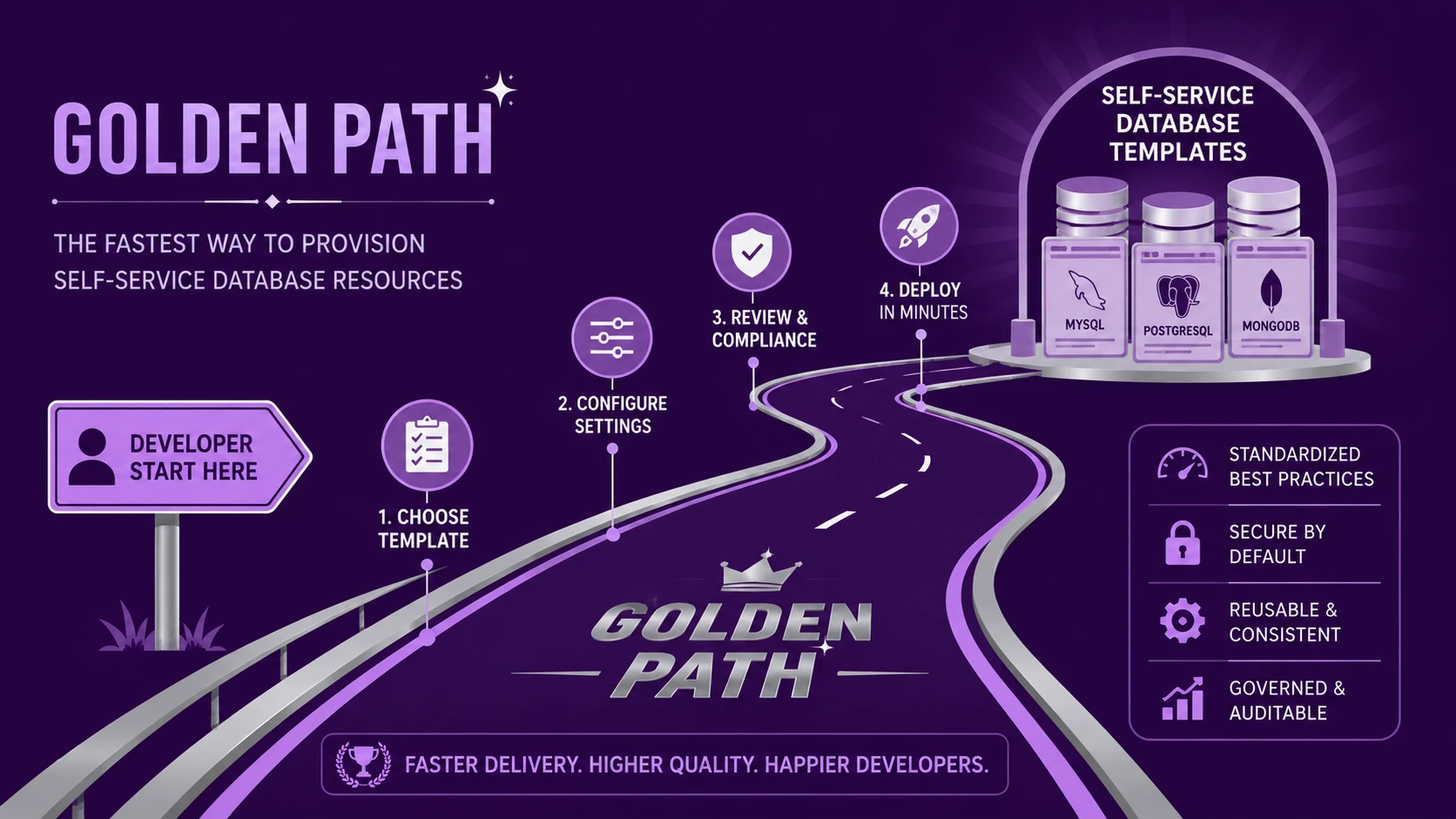
- ◆Internal developer platforms.
- ◆Data-intensive services.
Engineering organizations prioritize:
- ◆Faster delivery.
- ◆Developer productivity.
- ◆Software quality.
- ◆Platform standardization.
- ◆Knowledge sharing.
- ◆Automation.
AI-assisted development has emerged as a natural extension of these modernization initiatives.
The Business Problem
Enterprise software organizations frequently encounter several operational challenges.
Organizations commonly experience:
- ◆Growing codebases.
- ◆Increasing technical complexity.
- ◆Developer onboarding delays.
- ◆Knowledge silos.
- ◆Repetitive coding tasks.
- ◆Documentation gaps.
- ◆Extended review cycles.
As engineering teams scale globally, maintaining productivity without compromising software quality becomes increasingly difficult.
AI-Augmented Engineering addresses these challenges by providing intelligent assistance throughout software development.
Understanding the Technology
AI-Augmented Engineering combines generative AI with traditional software engineering practices.
Rather than replacing existing development workflows, AI integrates into established engineering tools and processes.
Core capabilities include:
- ◆Intelligent code generation.
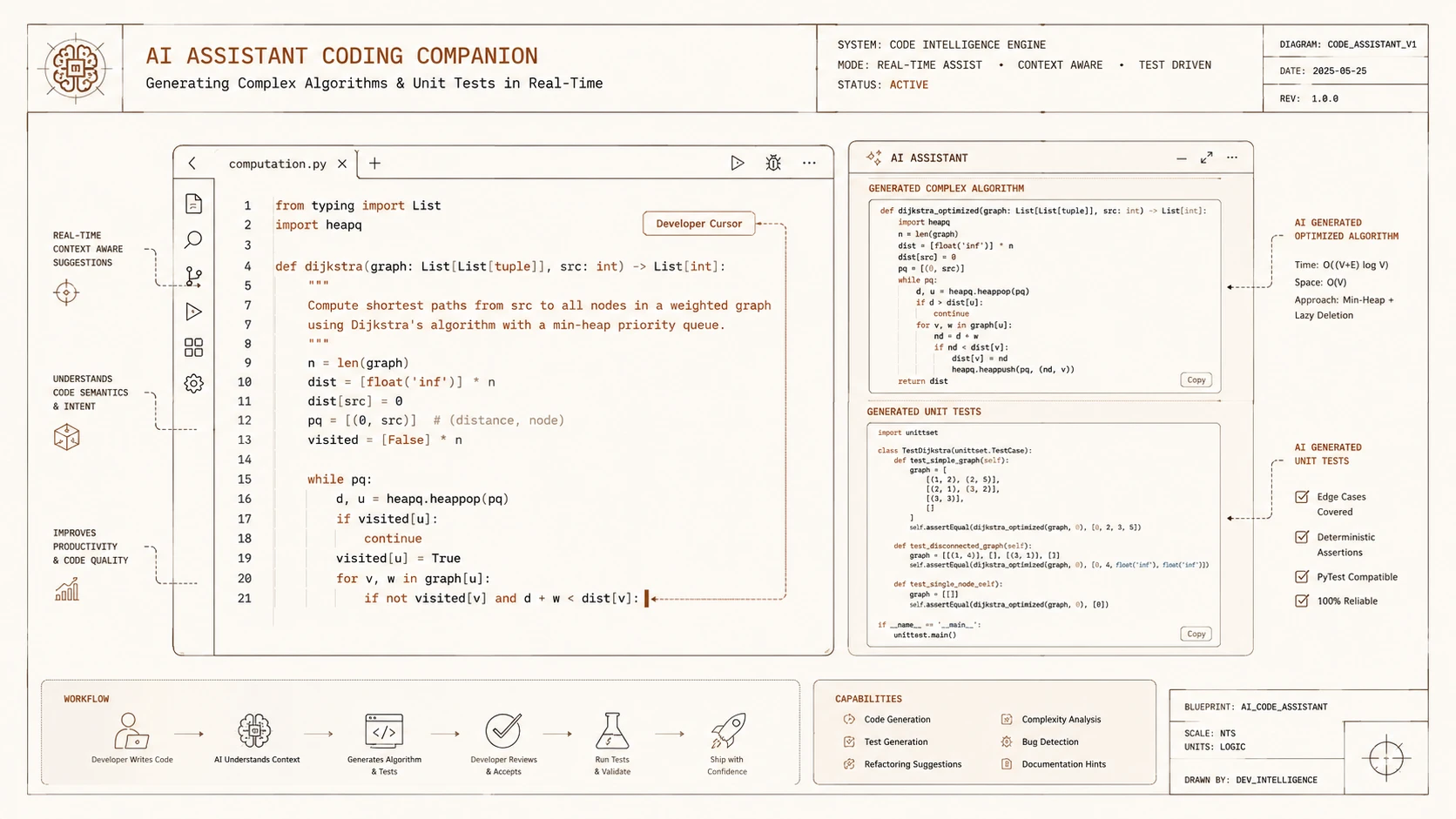
- ◆Context-aware code completion.
- ◆Documentation generation.
- ◆Automated test creation.
- ◆Code explanation.
- ◆Refactoring assistance.
- ◆Developer knowledge discovery.
AI systems analyze project context and developer intent to provide relevant engineering assistance.
Core Architecture
A simplified AI-Augmented Engineering architecture appears below.
| Component | Responsibility |
|---|---|
| Developer | Defines requirements and reviews output |
| IDE with AI Assistant | Interactive engineering assistance |
| Large Language Model | Code understanding and generation |
| Source Control Platform | Version management |
| CI/CD Pipeline | Automated validation |
| Enterprise Knowledge Base | Documentation and architecture context |
| Deployment Platform | Production delivery |
AI operates as an assistant within existing engineering workflows rather than replacing established software delivery practices.
Key Features
Intelligent Code Generation
The defining capability of AI-Augmented Engineering is contextual code generation.
Developers can describe desired functionality using natural language, allowing AI systems to generate:
- ◆API endpoints.
- ◆Database queries.
- ◆Utility functions.
- ◆Configuration files.
- ◆Infrastructure templates.
- ◆Repetitive application logic.
Generated code accelerates implementation while remaining subject to developer review.
Context-Aware Development Assistance
Modern AI assistants increasingly understand project structure and programming context.
They assist developers by:
- ◆Explaining unfamiliar code.
- ◆Recommending implementations.
- ◆Suggesting framework usage.
- ◆Identifying potential errors.
- ◆Navigating large repositories.
This reduces cognitive overhead during development.
Automated Documentation
Maintaining documentation has historically been one of software engineering's most time-consuming tasks.
AI systems increasingly assist by generating:
- ◆API documentation.
- ◆Function descriptions.
- ◆Code summaries.
- ◆Technical explanations.
- ◆Migration guides.
This improves knowledge sharing across engineering organizations.
Test Generation
Testing remains essential for enterprise software quality.
AI-assisted tools help generate:
- ◆Unit tests.
- ◆Integration test templates.
- ◆Mock objects.
- ◆Test scenarios.
- ◆Edge case suggestions.
Developers retain responsibility for validating test correctness and coverage.
Knowledge Discovery
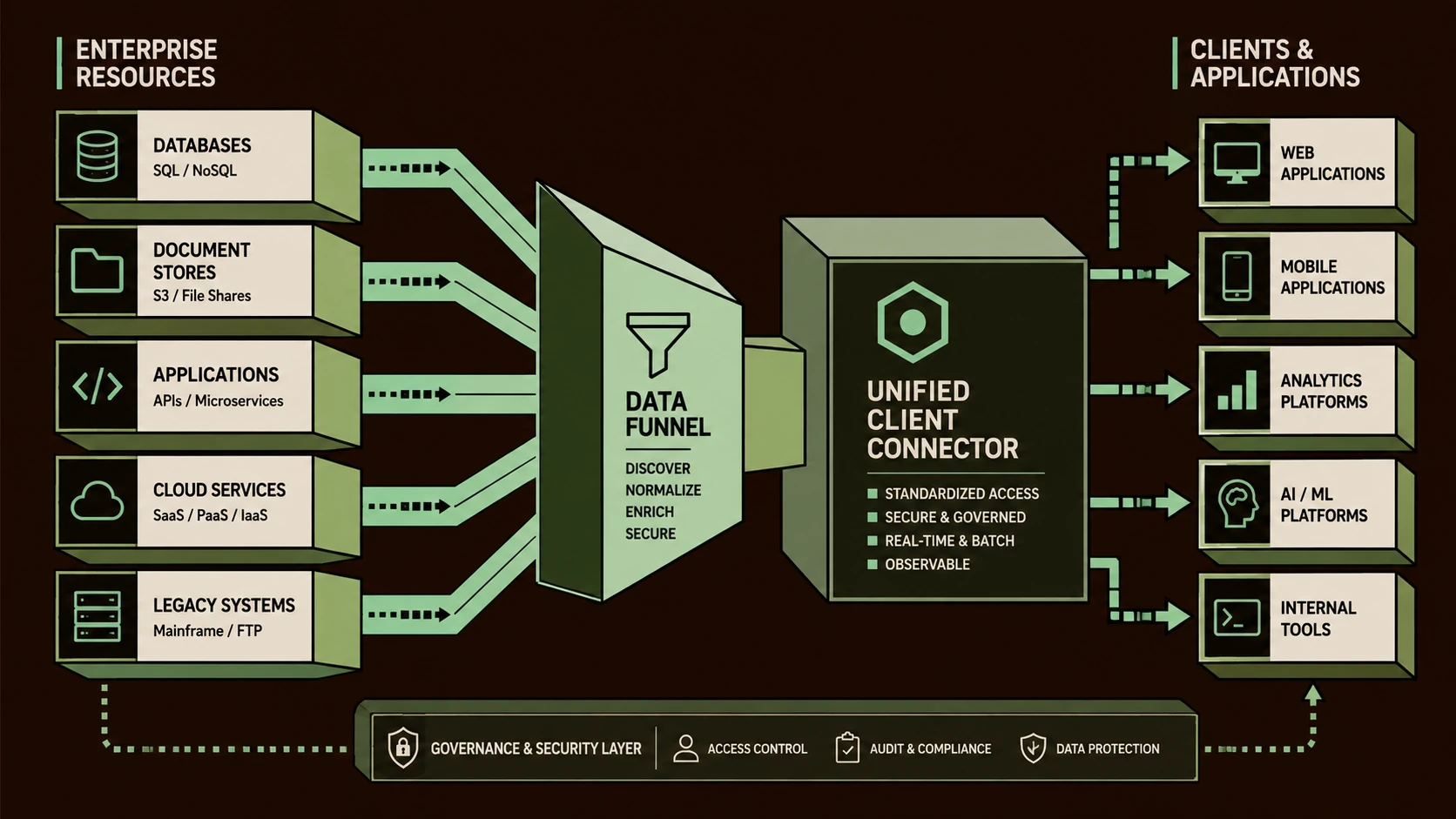
Large organizations often struggle with fragmented technical knowledge.
AI systems increasingly assist engineers by summarizing:
- ◆Internal documentation.
- ◆Coding standards.
- ◆Architecture decisions.
- ◆API specifications.
- ◆Repository information.
This accelerates onboarding and reduces dependency on tribal knowledge.
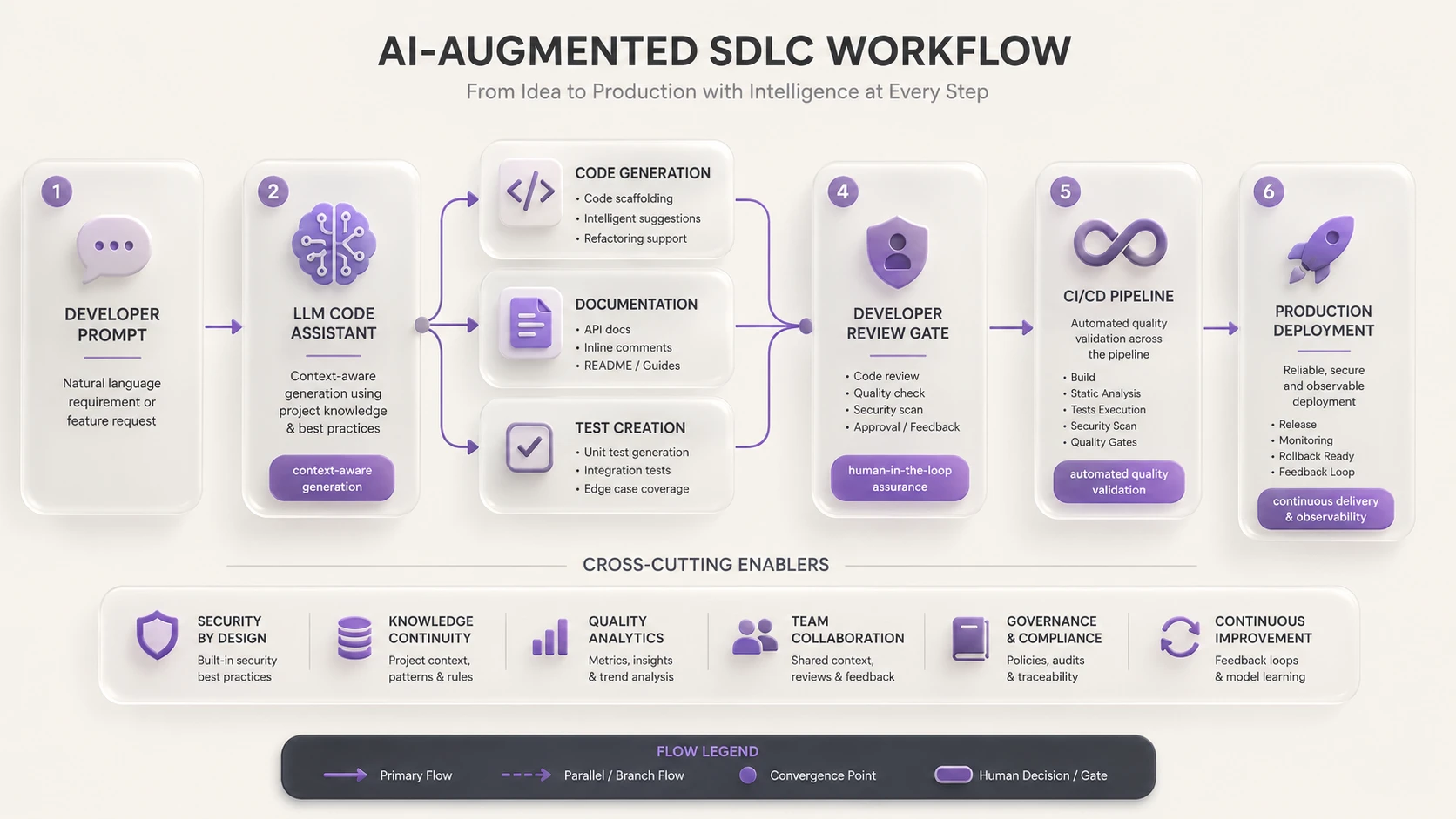
System architecture diagram and conceptual workflow layout for The Rise of AI-Augmented Engineering.
DevOps Integration
AI assistance extends beyond application development.
Engineering platforms increasingly apply AI to:
- ◆CI/CD recommendations.
- ◆Infrastructure configuration.
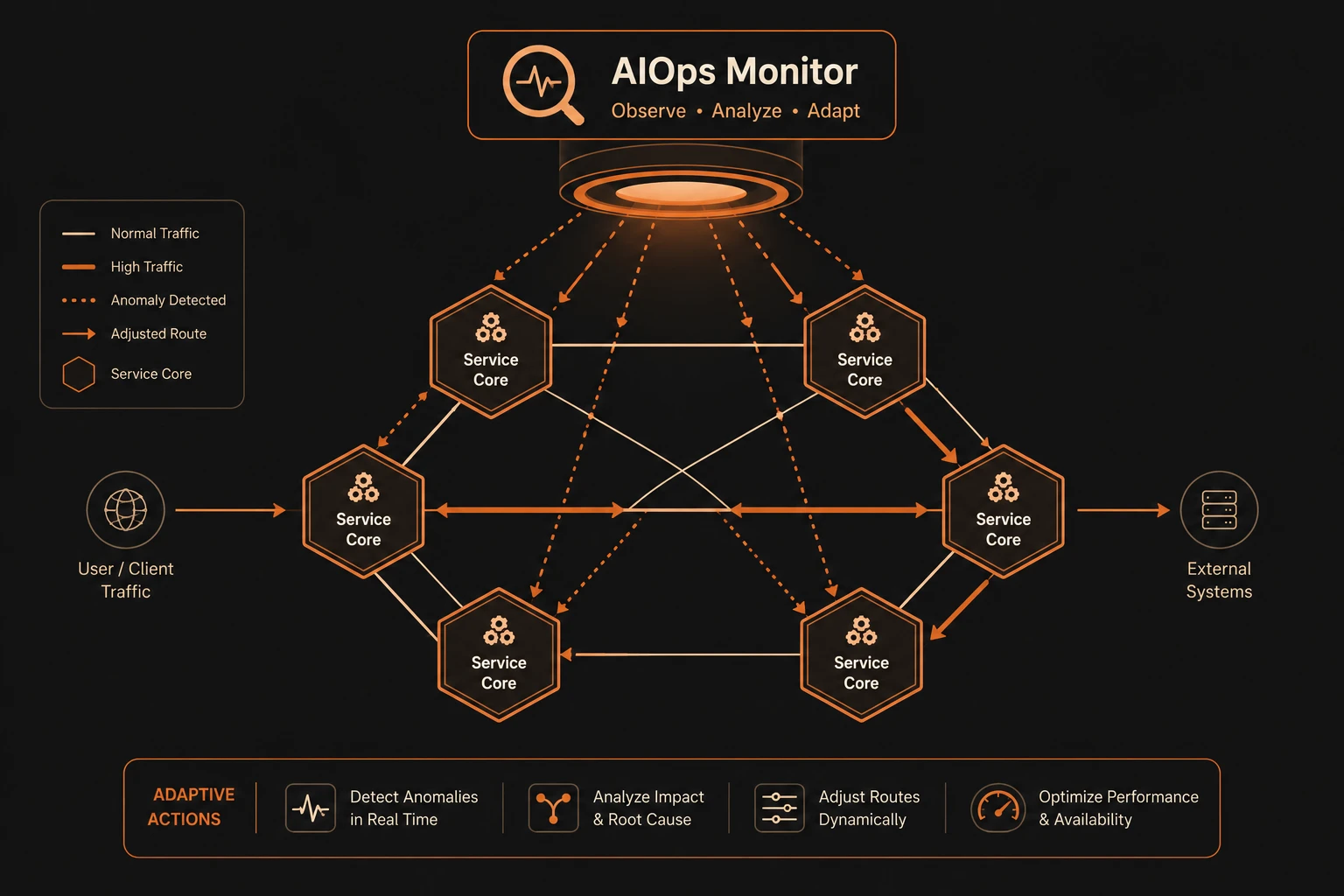
- ◆Log analysis.
- ◆Deployment troubleshooting.
- ◆Operational diagnostics.
This broadens AI's impact across the entire software lifecycle.
How It Works
A simplified workflow appears below.
Developer Request
        |
AI Assistant
        |
Large Language Model
        |
Generated Code
Documentation
Tests
Suggestions
        |
Developer Review
        |
Source Control
        |
CI/CD Pipeline
        |
Production Deployment
AI generates recommendations while developers validate correctness before integration into production systems.
Enterprise Use Cases
Enterprise Software Development
Development teams accelerate feature implementation while maintaining established engineering standards.
Developer Onboarding
New engineers quickly understand unfamiliar codebases through AI-assisted explanations and documentation summaries.
Platform Engineering
Internal platform teams automate infrastructure templates, deployment scripts, and operational documentation.
Quality Engineering
Testing teams improve productivity through AI-assisted generation of unit tests and validation scenarios.
Technical Documentation
Organizations reduce documentation effort while improving consistency across engineering projects.
Performance Considerations
Organizations adopting AI-Augmented Engineering should evaluate:
- ◆Developer productivity improvements.
- ◆Response latency.
- ◆Context retrieval performance.
- ◆Code generation accuracy.
- ◆Knowledge retrieval quality.
- ◆CI/CD integration efficiency.
Engineering metrics should focus on delivery outcomes rather than code generation volume alone.
Security Considerations
AI-assisted development introduces new governance responsibilities.
Organizations should implement:
- ◆Secure handling of source code.
- ◆Access controls.
- ◆Data privacy policies.
- ◆Human code review.
- ◆Dependency validation.
- ◆Secure software development lifecycle practices.
AI-generated code should undergo the same security reviews and quality assurance processes as manually written software.
Scalability
AI-Augmented Engineering improves organizational scalability through:
- ◆Faster developer onboarding.
- ◆Reduced repetitive work.
- ◆Improved documentation.
- ◆Knowledge democratization.
- ◆Consistent engineering practices.
- ◆Enhanced platform productivity.
These capabilities allow engineering organizations to support increasingly complex software portfolios.
Best Practices
Organizations adopting AI-Augmented Engineering should:
- ◆Treat AI as a developer assistant rather than an autonomous engineer.
- ◆Require human review for generated code.
- ◆Establish governance for AI usage.
- ◆Protect proprietary source code and sensitive information.
- ◆Integrate AI into existing CI/CD workflows.
- ◆Continuously evaluate software quality metrics.
- ◆Train engineering teams on responsible AI-assisted development.
Successful adoption combines AI capabilities with established software engineering discipline.
Common Mistakes
| Mistake | Business Impact |
|---|---|
| Accepting generated code without review | Software quality and security risks |
| Sharing confidential code with unapproved AI services | Data governance concerns |
| Measuring productivity solely by generated code volume | Misleading engineering metrics |
| Ignoring architectural consistency | Increased technical debt |
| Assuming AI understands complete business context | Incorrect implementations |
| Replacing engineering reviews with AI recommendations | Reduced software reliability |
Organizations should position AI as a productivity multiplier rather than a substitute for professional software engineering.
Technology Comparison
| Characteristic | Traditional Engineering | AI-Augmented Engineering |
|---|---|---|
| Code Creation | Manual implementation | AI-assisted generation with human review |
| Documentation | Manually written | AI-assisted generation |
| Learning New APIs | Documentation search | Conversational assistance |
| Test Creation | Manual development | AI-assisted test generation |
| Knowledge Discovery | Repository exploration | Context-aware summaries |
| Developer Productivity | Experience dependent | Enhanced through intelligent assistance |
AI-Augmented Engineering extends existing software development practices by improving efficiency across multiple engineering activities.
Adoption Strategy
Organizations should adopt AI-Augmented Engineering incrementally.
- 1.Define acceptable enterprise AI usage policies.
- 2.Introduce AI assistants within non-critical development workflows.
- 3.Maintain mandatory human code reviews.
- 4.Integrate AI into documentation and testing processes.
- 5.Measure improvements in developer productivity and software quality.
- 6.Expand adoption as governance, security, and engineering standards mature.
This phased approach enables organizations to realize productivity gains while maintaining software quality and regulatory compliance.
Limitations
As of October 2023, organizations should recognize several considerations.
- ◆AI-generated code may contain logical errors, security issues, or outdated implementation patterns and should always be reviewed by experienced engineers.
- ◆Large Language Models do not possess complete knowledge of proprietary business logic unless appropriate enterprise context is provided.
- ◆AI-generated recommendations should complement—not replace—architectural design, domain expertise, and engineering judgment.
- ◆Organizations should evaluate privacy, licensing, and compliance requirements before integrating AI tools into software development workflows.
- ◆Long-term success depends on combining AI capabilities with disciplined engineering practices, governance, and continuous validation.
These considerations should guide responsible enterprise adoption.
Looking Ahead
From the perspective of October 2023, AI-Augmented Engineering represents one of the most transformative developments in modern software engineering since the emergence of DevOps and cloud-native development. Rather than automating software creation end-to-end, AI enhances developer capabilities by reducing repetitive work, accelerating knowledge discovery, improving documentation, and assisting throughout the software development lifecycle.
As enterprise AI platforms continue maturing, organizations will increasingly integrate intelligent assistants into IDEs, DevOps pipelines, testing platforms, documentation systems, and engineering knowledge bases. The most successful engineering organizations will combine AI-assisted productivity with strong architectural governance, secure development practices, and experienced human oversight, enabling teams to deliver higher-quality software faster while maintaining the reliability and trust required for enterprise systems.