Build Smarter.
Ship Faster.
Deep technical content on agentic AI systems, LLM cost optimization, Commander Architecture, and production SaaS engineering — from 18+ years of building.

Timeline
Filter by Year
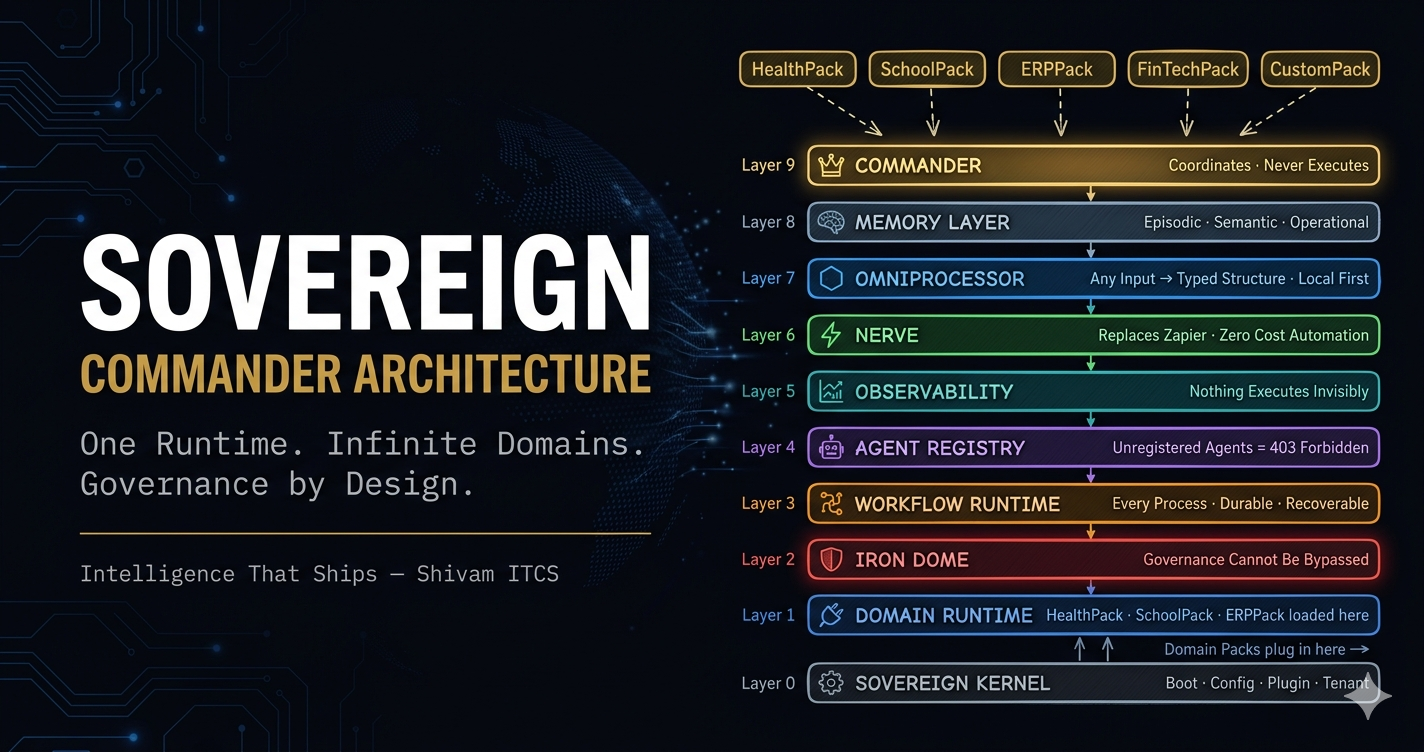

AI Agents Revolutionize Customer Service Automation: An Enterprise Guide
Explore how AI Agents are fundamentally changing customer service automation, offering proactive, personalized, and efficient support for enterprises.
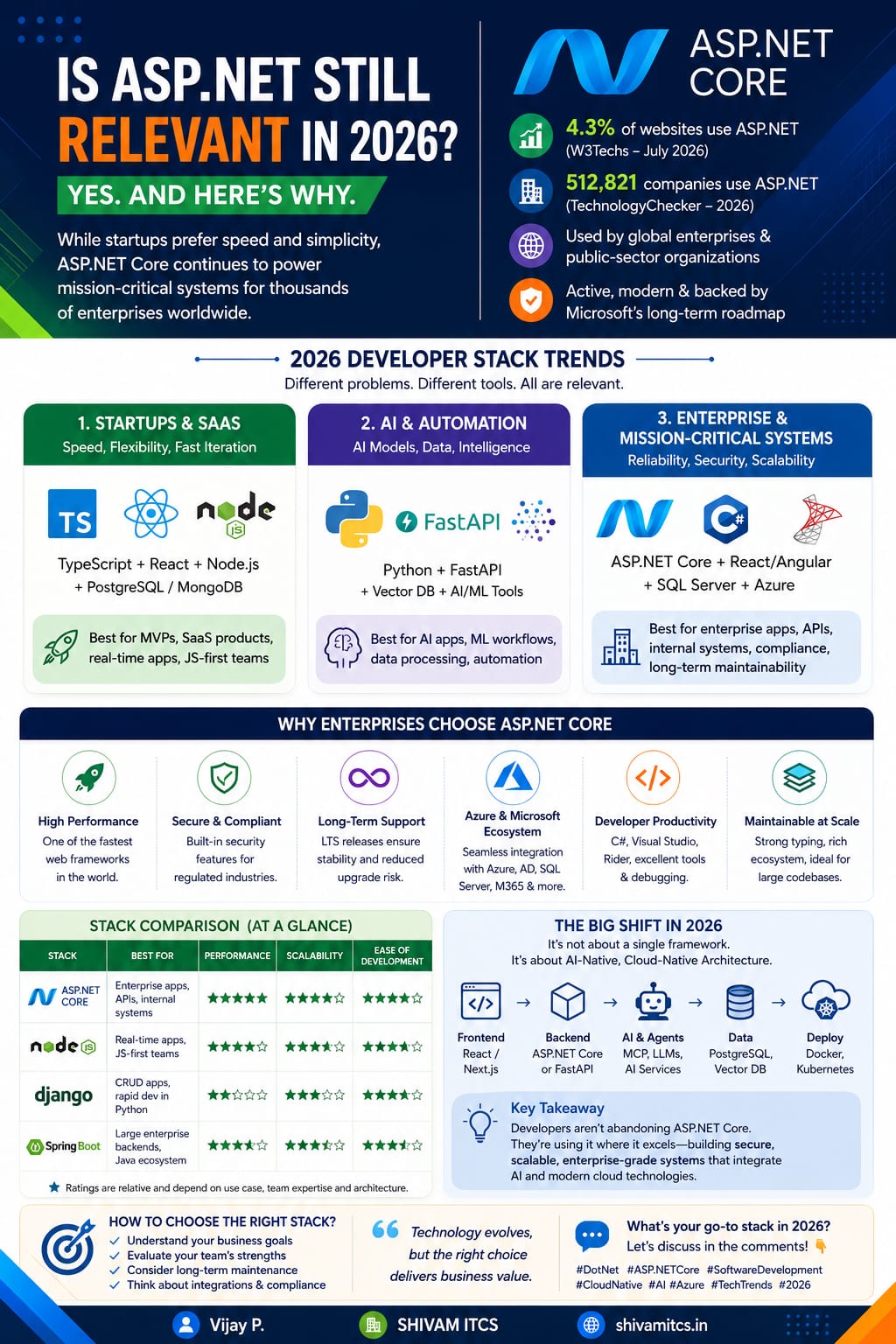
Is ASP.NET Core Still Relevant in 2026? Yes, and Here’s Why
Is ASP.NET Core still relevant in 2026? Absolutely. While JavaScript ecosystems dominate rapid product development and Python leads AI workloads, ASP.NET Core remains a powerful choice for secure, scalable, maintainable, and mission-critical enterprise systems. The future is not one framework—it is intelligent architecture using the right technology for each workload.
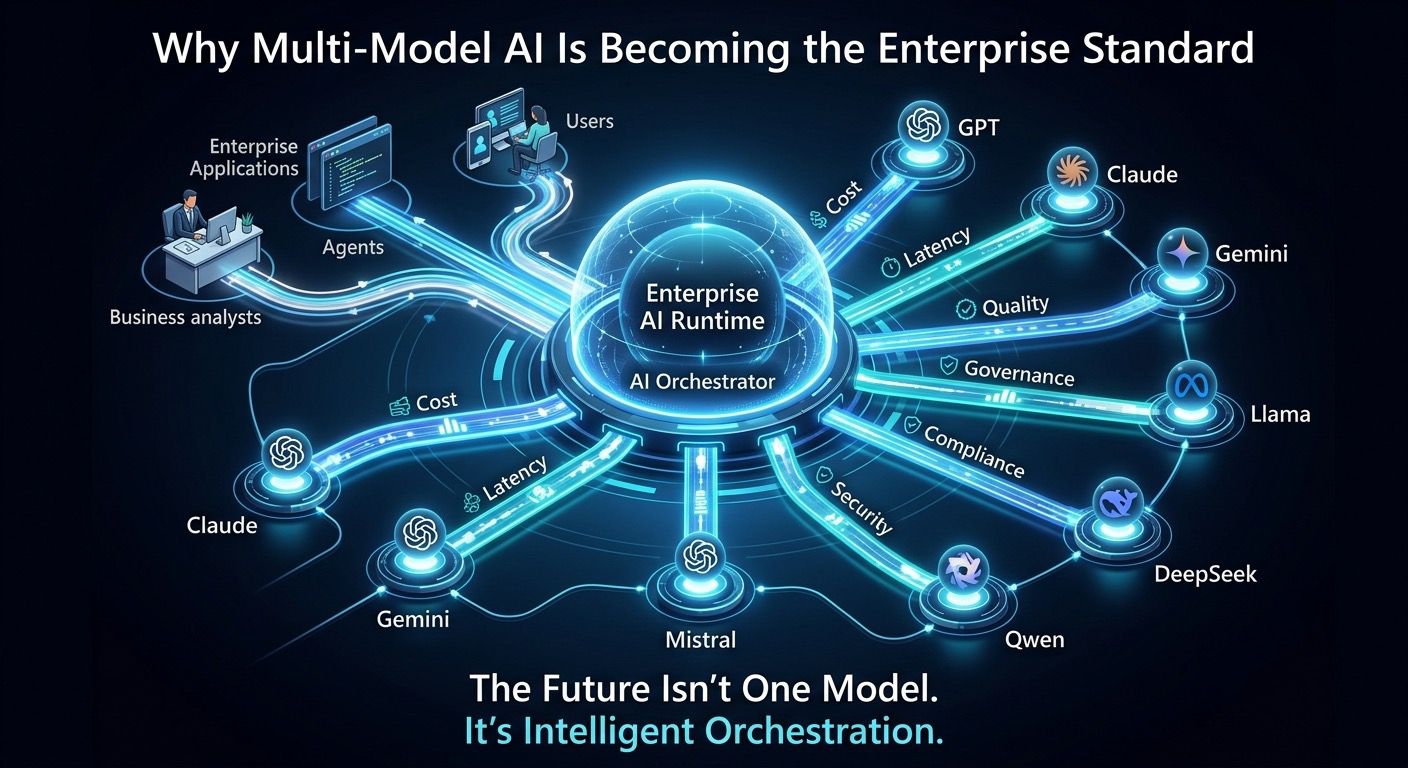
Why Multi-Model AI Is Becoming the New Enterprise Standard
Enterprise AI is moving beyond the search for one perfect model. Multi-model architectures enable organizations to intelligently route workloads across different AI models based on capability, cost, latency, security, compliance, and availability—creating more efficient, resilient, and future-ready AI systems.
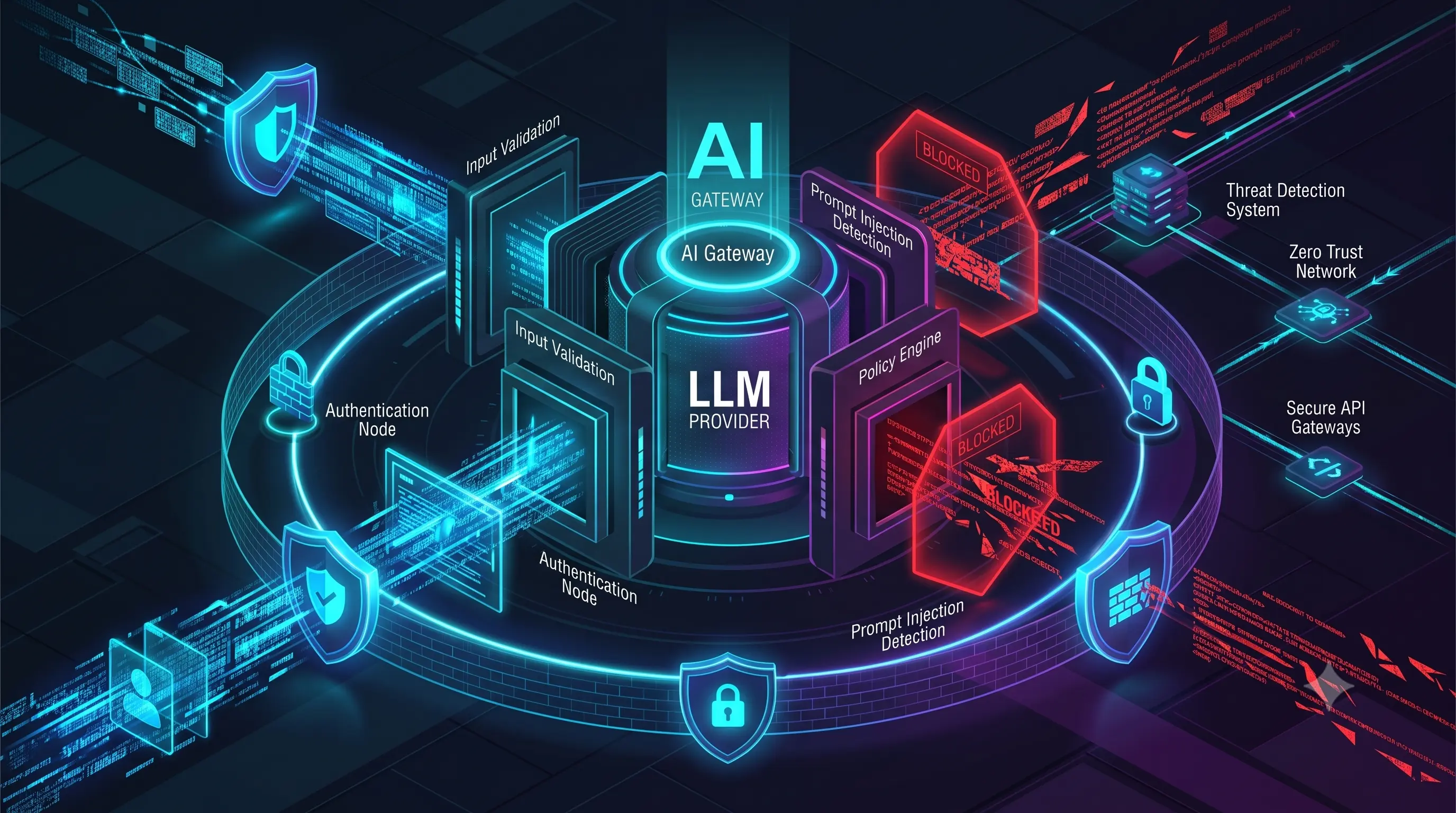
Defending Against Prompt Injection: Hardening Enterprise AI Gateways Against Malicious Inputs
Prompt injection has become one of the most critical security threats to enterprise AI systems. Discover h
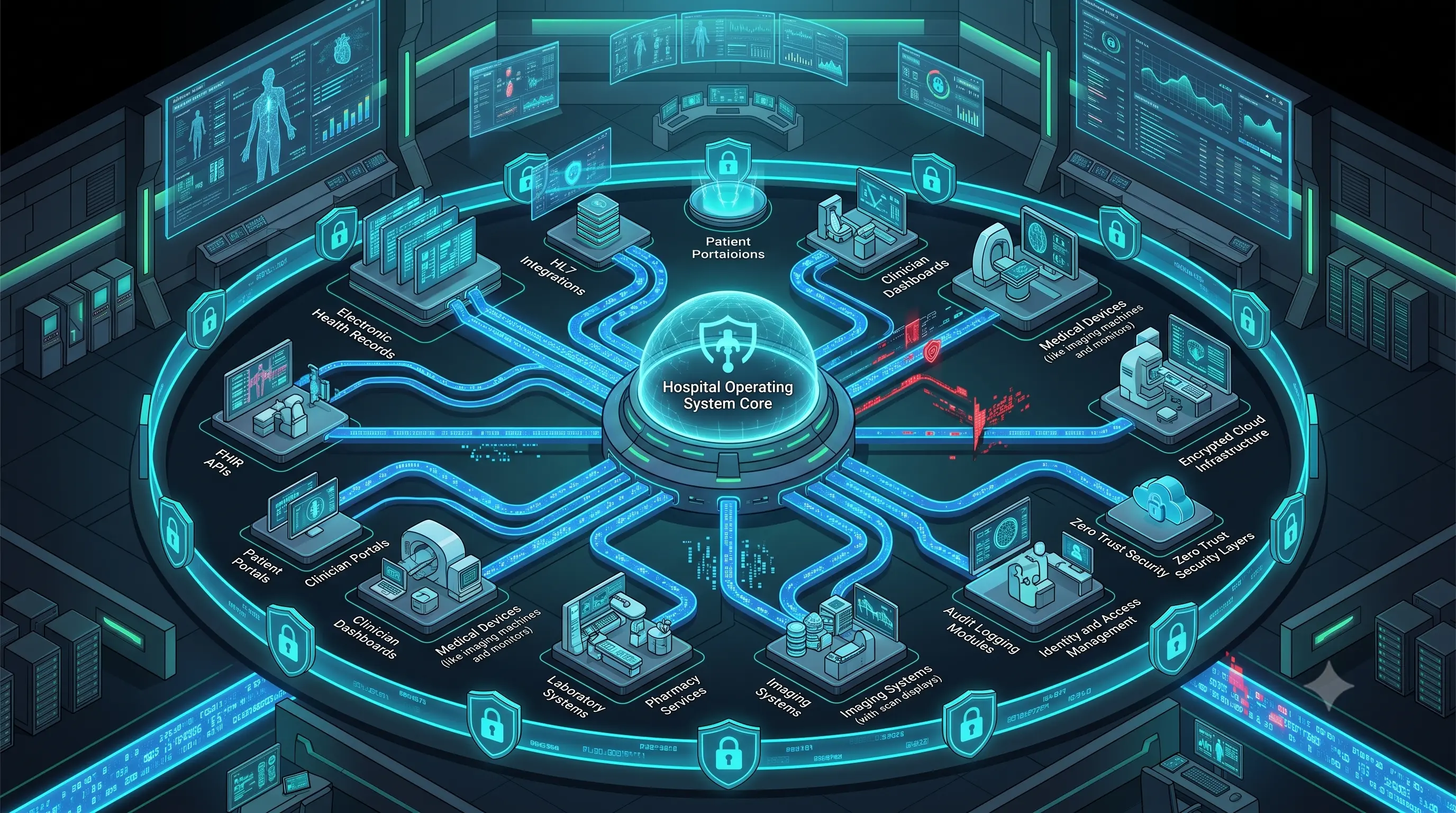
Building HIPAA-Compliant Hospital OS: Architecture Decisions That Matter
Building a HIPAA-compliant Hospital Operating System requires more than encryption. Learn the architecture decisions, security controls, interoperability standards, and cloud-native design patterns that enable secure, scalable, and compliant healthcare platforms.
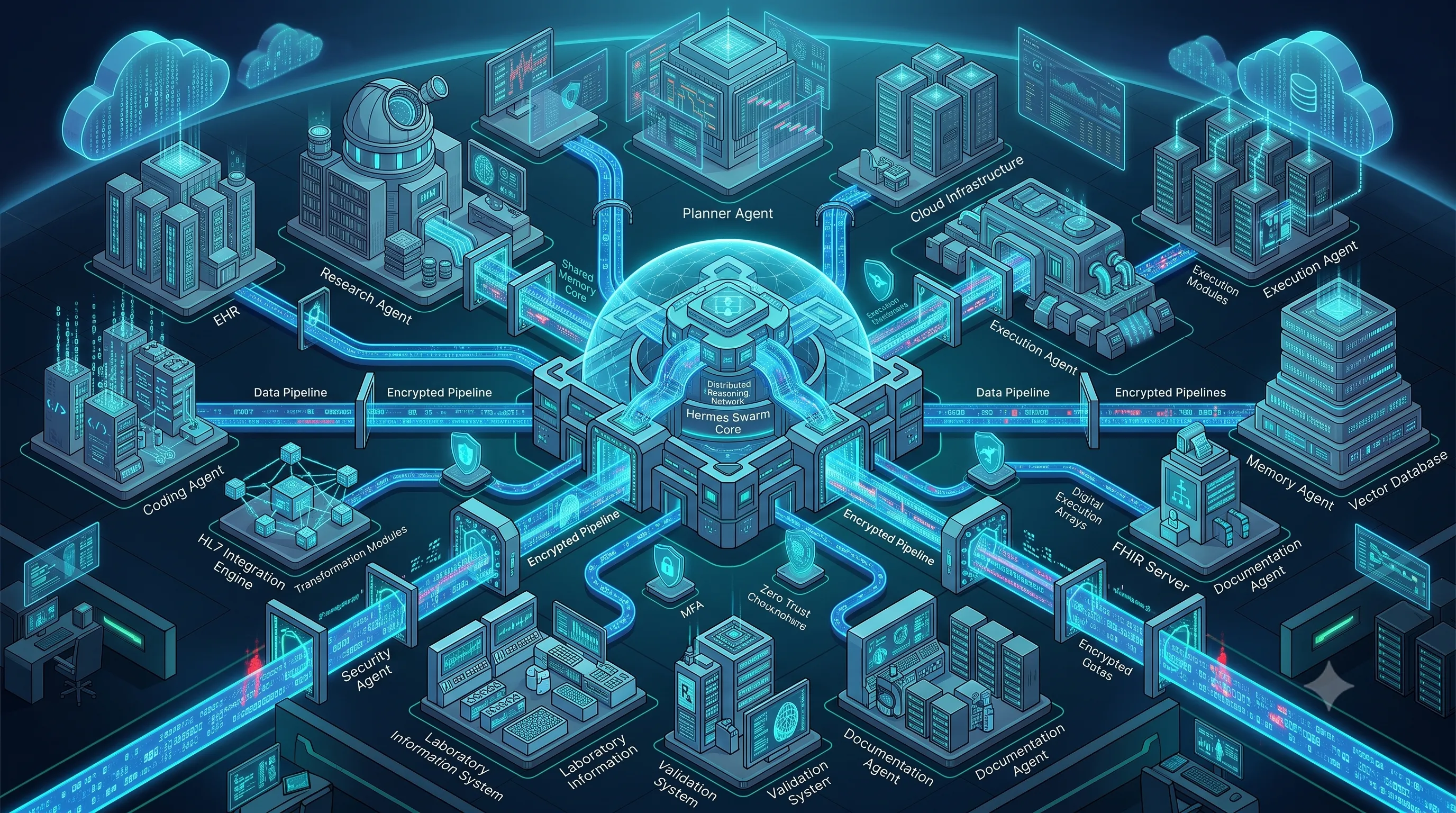
Agentic Swarms: Orchestrating Collaborative Task Resolution Across Multiple Hermes Models
Agentic swarms represent the next evolution of enterprise AI by enabling multiple Hermes models to collaborate on complex workflows. Learn how swarm orchestration, task decomposition, shared memory, and distributed reasoning create scalable, resilient AI systems.

Real-Time AI Streaming in Next.js Server Actions: A UX Pattern for Fast Token Delivery
Learn how to build real-time AI experiences using Next.js Server Actions and streaming responses. Explore architecture patterns, server-side execution, token streaming, Suspense integration, and UX best practices for enterprise AI applications.
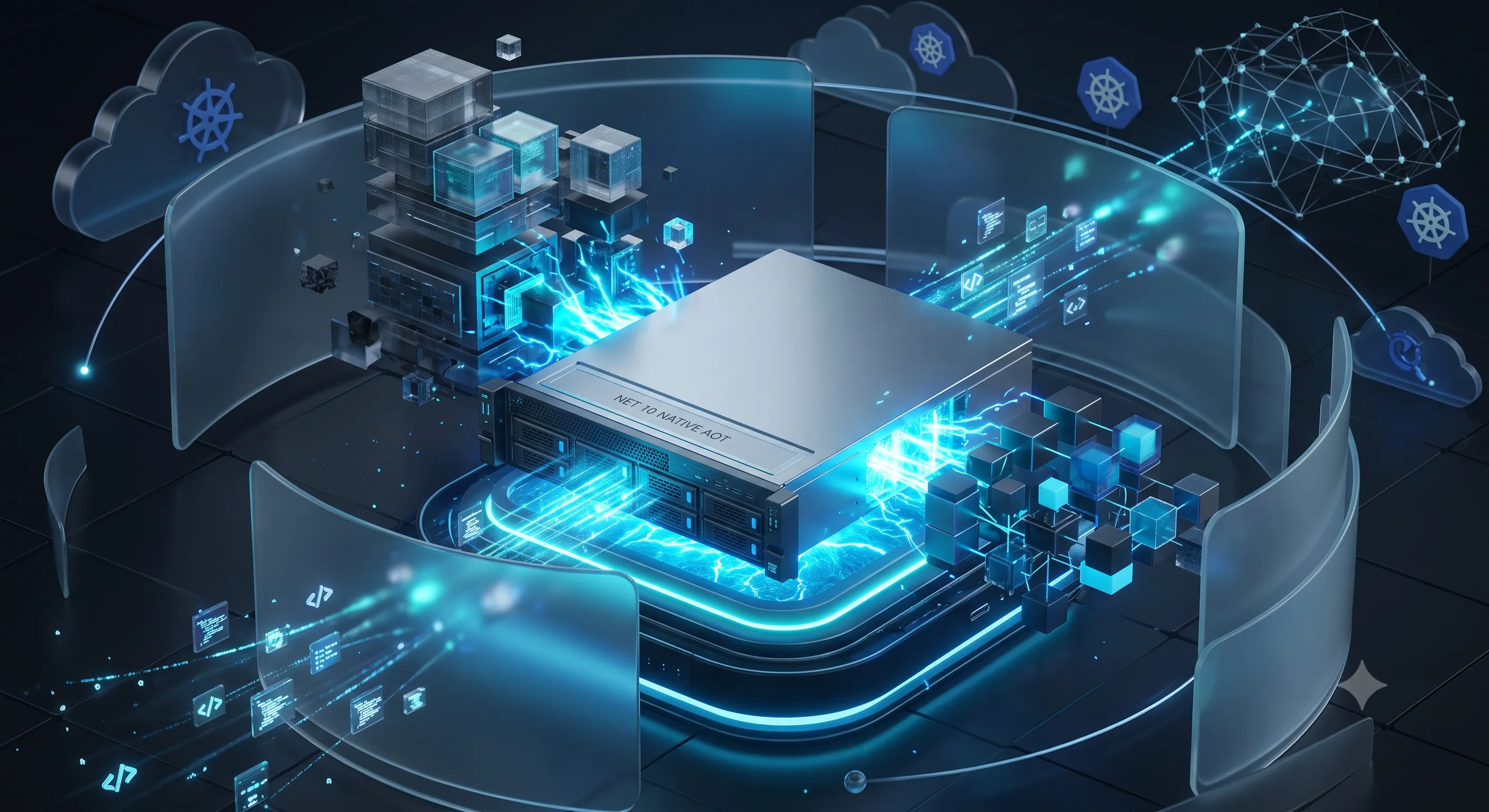
Native AOT in .NET 10: Reducing Server Cold Starts and Memory Footprint for AI Gateways
Native AOT in .NET 10 enables enterprise AI gateways to start faster, consume less memory, and scale efficiently in serverless and containerized environments. Discover architecture patterns, deployment strategies, and production best practices.
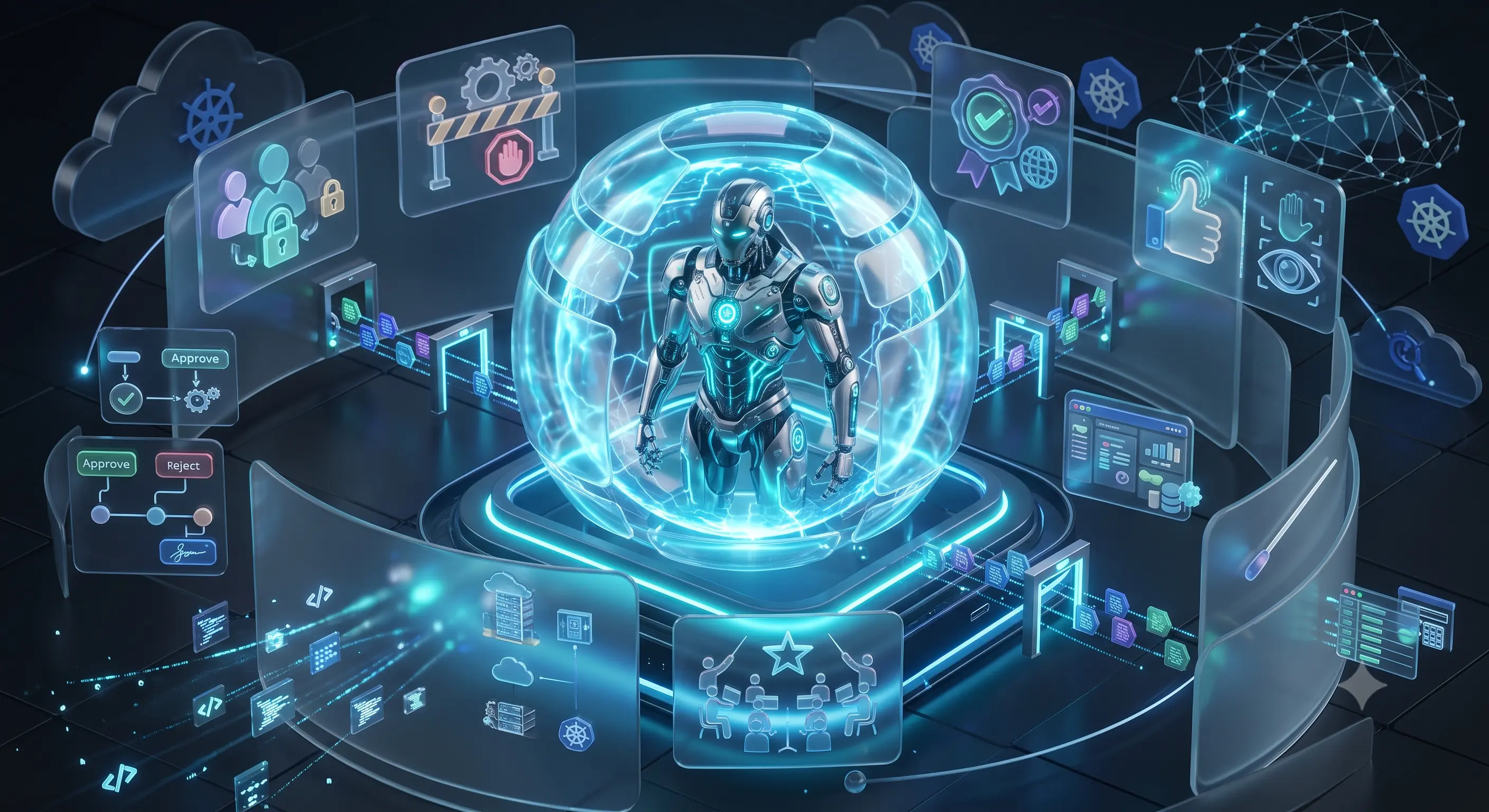
AI Agent Governance: Building RBAC, Guardrails, and Audit Trails for Autonomous Workflows
Discover how RBAC, guardrails, audit trails, and governance frameworks help organizations build secure, transparent, and enterprise-ready autonomous AI workflows.

Scaling AI Infra: Deploying GPU Clusters with Kubernetes and vLLM Engines
Discover how to build scalable AI infrastructure using Kubernetes, GPU clusters, and vLLM inference engines to improve throughput, reduce latency, and optimize GPU utilization for enterprise AI applications.

Cost-Optimized LLM Routing: Intelligently Dispatching Tasks Between Local and Cloud Models
Discover how enterprise AI platforms optimize inference costs by intelligently routing requests between local and cloud-hosted language models. Explore routing strategies, policy engines, latency optimization, and production-ready AI gateway architectures.

Fine-Tuning Hermes 3: Open-Weights Domain Customization for Enterprise Logic
Discover how enterprises can customize Hermes 3 using domain-specific datasets, instruction tuning, LoRA, and open-weight fine-tuning to build highly accurate AI systems tailored for internal business logic and industry knowledge.
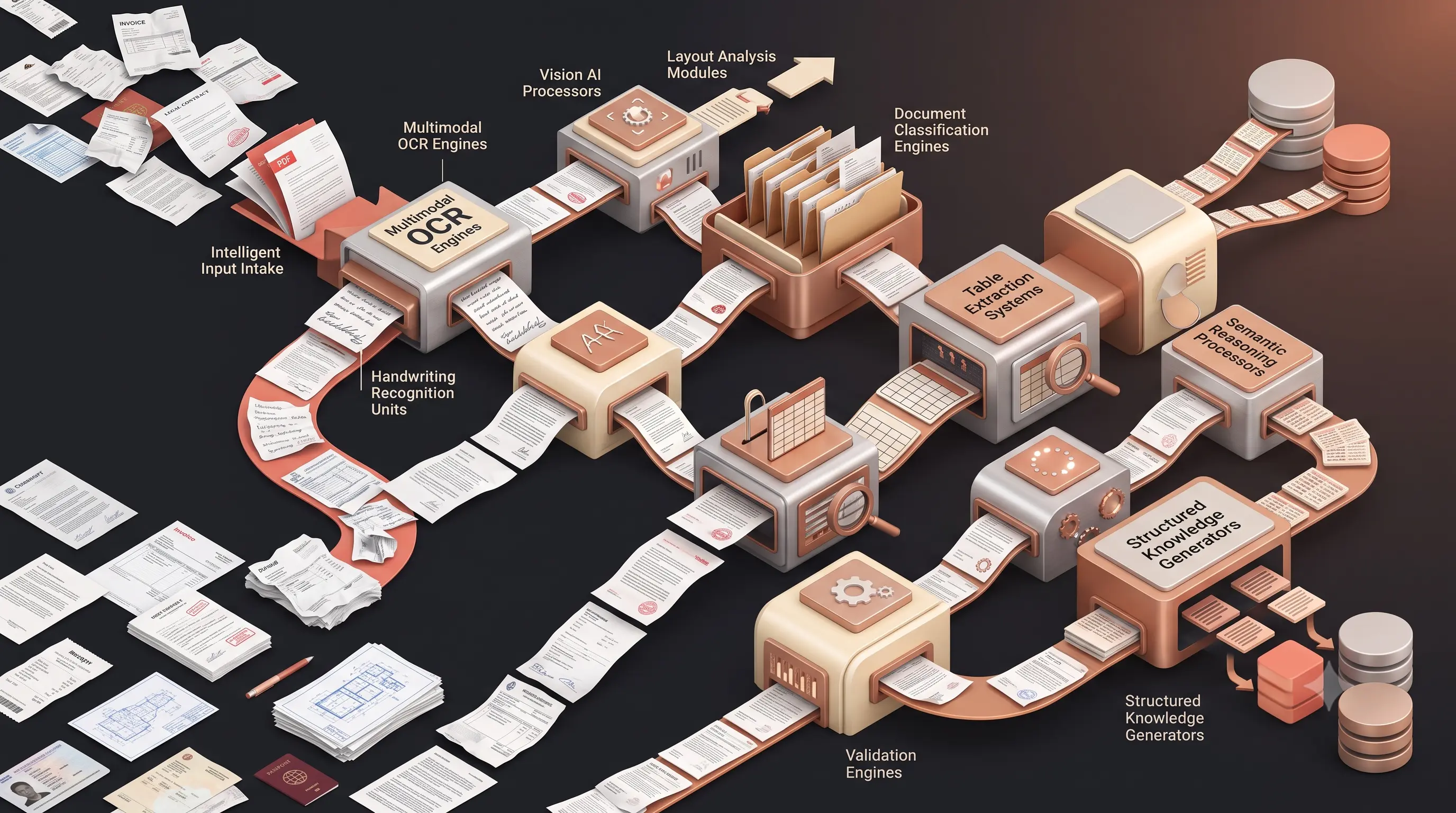
PaperClip AI: Streamlining Document Processing with Multimodal Agent Chains
Learn how PaperClip AI leverages multimodal agent chains to process PDFs, invoices, contracts, images, and scanned documents through intelligent document understanding, OCR, reasoning, and enterprise workflow automation.

OpenClaw: The New Open-Source Framework Challenging Closed AI Agent Stacks
Discover OpenClaw, an emerging open-source AI agent framework designed for enterprise orchestration, tool execution, memory management, and multi-agent collaboration. Learn its architecture, deployment model, and why organizations are embracing open AI agent stacks.

Ollama in Production: Deploying Quantized LLMs Locally to Mitigate Cloud Vulnerabilities
Discover how enterprises use Ollama to deploy quantized LLMs on local infrastructure, improving data privacy, reducing cloud dependency, lowering inference costs, and building resilient AI platforms.
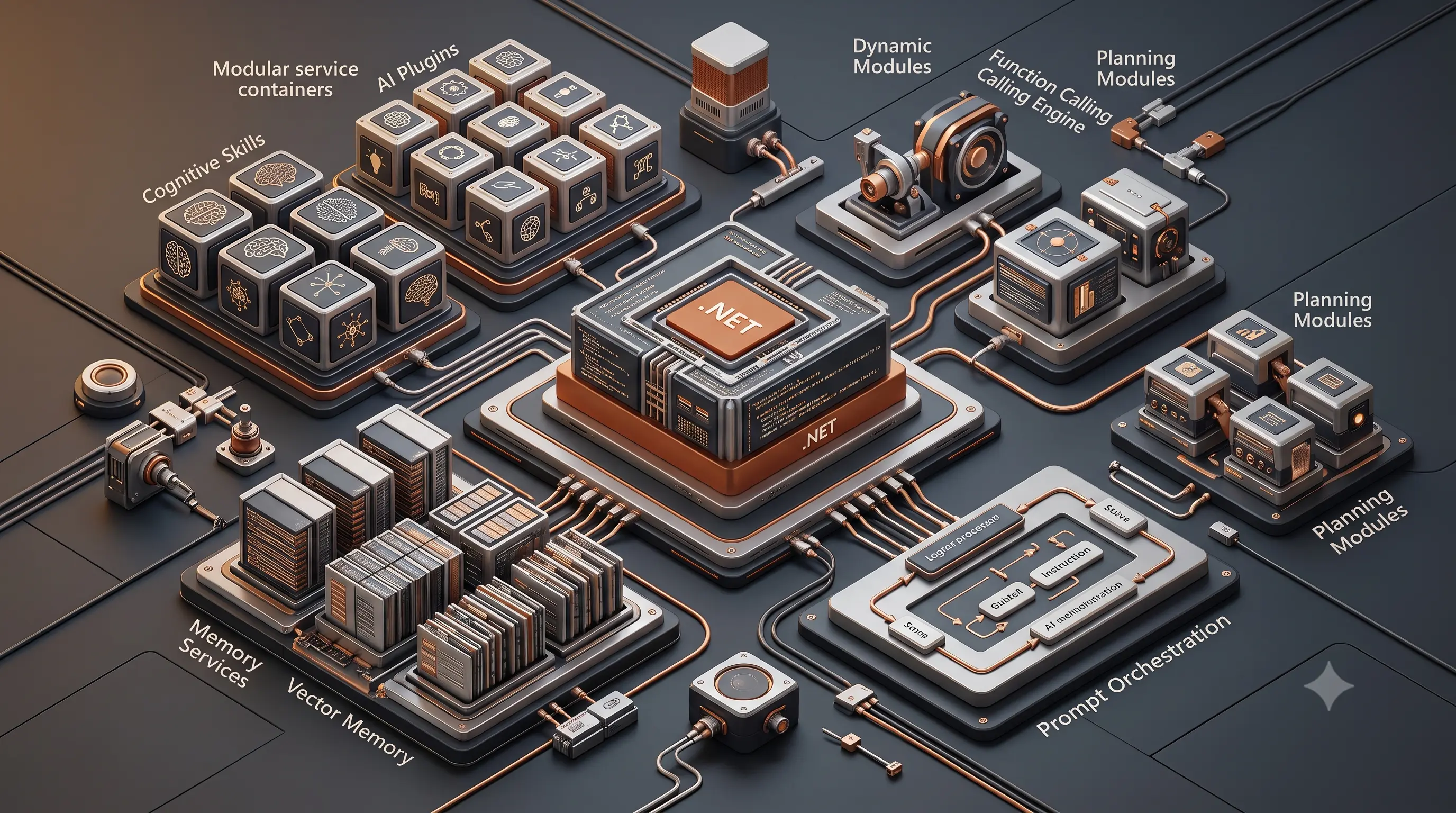
Mastering Microsoft Semantic Kernel: Building Cognitive Skills in Enterprise .NET Stacks
Discover how Microsoft Semantic Kernel empowers enterprise .NET developers to integrate LLMs, plugins, planners, memory, and AI orchestration into scalable business applications using a modular cognitive architecture.
Get New Posts In Your Inbox
No spam. Deep technical content when we publish — roughly twice a month.