Architecture
Viewing all posts categorized under Architecture.

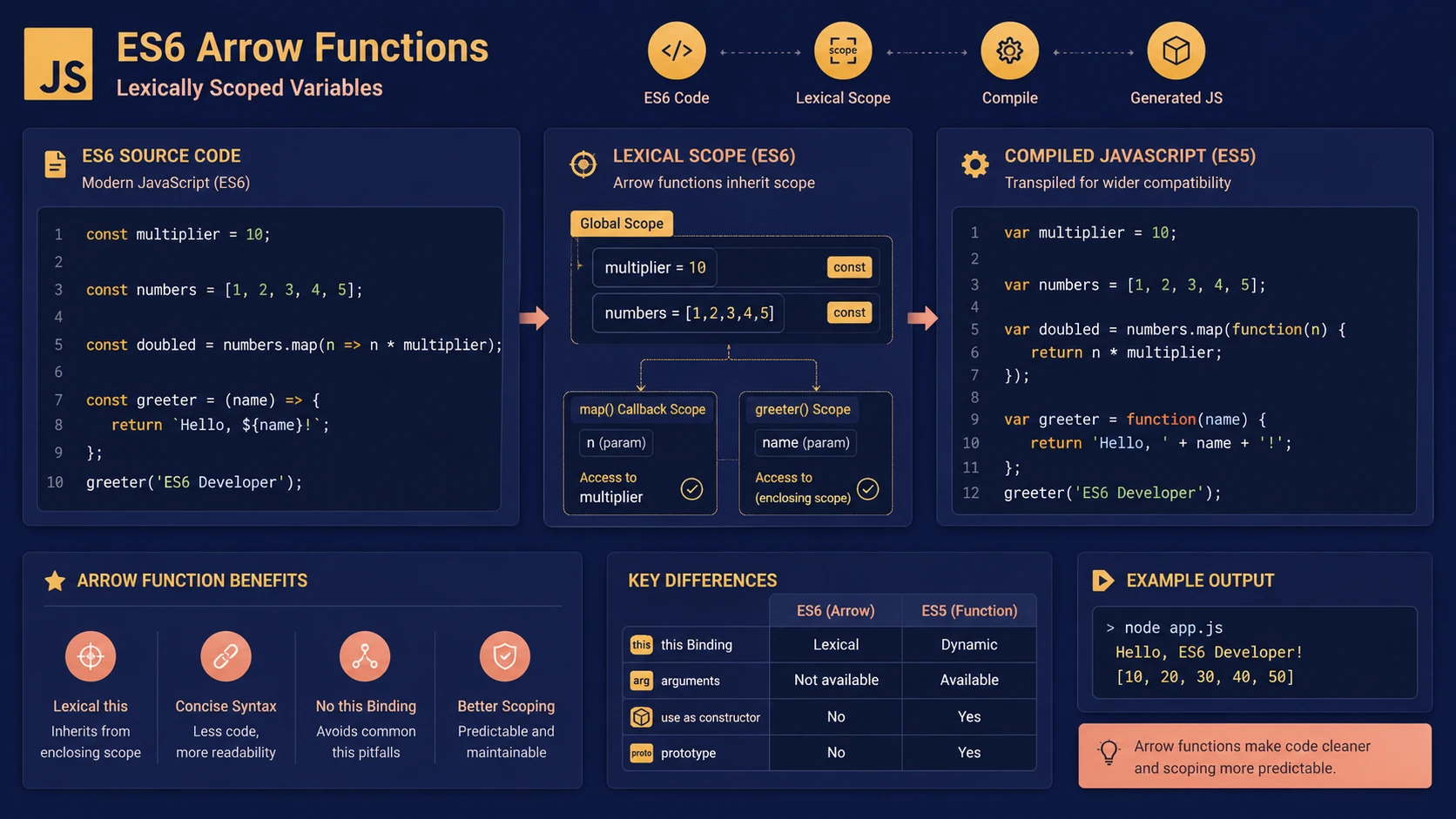
ES6 / ECMAScript 2015 Finalization: Lexical Scopes, Arrow Functions, and Promises
The ECMAScript 2015 specification marks the most substantial advancement of JavaScript since the language's early standardization. Features such as lexical scoping, arrow functions, promises, modules, classes, and enhanced collection types significantly improve maintainability and scalability for enterprise applications. This article examines ES6 from the perspective of February 2015, exploring its architecture, enterprise implications, performance considerations, and adoption strategy.

React 0.13: Transitioning to ES6 Classes and Stateless Components
React 0.13 introduces improved support for ECMAScript 6 classes, simplified component definitions, and a clearer separation between stateful and presentational components. This article examines the architectural implications of React 0.13 from the perspective of January 2015, helping enterprise developers evaluate its role in modern front-end application development.

C# 6.0 and Roslyn Compiler: String Interpolation and Null-Conditional Operators
Microsoft continues modernizing the .NET ecosystem with the Roslyn compiler platform and the evolving C# 6.0 language. Features such as string interpolation and the null-conditional operator aim to reduce boilerplate code while improving readability and developer productivity. This article examines these technologies from the perspective of December 2014, focusing on enterprise architecture, compiler innovation, and practical adoption strategies.

Software Development Trends: Enterprise Technologies Reshaping Engineering in 2014
Software development in 2014 is undergoing one of its most significant transitions in recent years. Cloud computing, DevOps, responsive design, mobile platforms, NoSQL databases, Continuous Delivery, and modular application architectures are fundamentally changing how enterprise software is designed, deployed, and maintained. This article reviews the most influential development trends from the perspective of November 2014.

Node.js Streams v2: Navigating Backpressure and Readable/Writable Modes
Node.js Streams v2 introduces significant improvements to the platform's streaming architecture, simplifying stream implementation while providing more predictable handling of readable and writable streams. With improved backpressure management, standardized APIs, and enhanced interoperability, Streams v2 enables enterprise developers to build scalable network services, file processing pipelines, and high-throughput applications. This article examines Streams v2 from the perspective of November 2014, exploring its architecture, enterprise use cases, performance considerations, and best practices.

Bootstrap 3 Grid Nesting: Structuring Complex Enterprise Dashboards Layouts
Bootstrap 3 has become a leading front-end framework for responsive web development. This article explores how grid nesting enables complex enterprise dashboard layouts, discussing responsive architecture, layout composition, performance, maintainability, and best practices from the perspective of October 2014.

CSS Grid Layout: The Future of Two-Dimensional Responsive Interface Alignments
As responsive web applications become increasingly sophisticated, developers are searching for layout systems that extend beyond the limitations of floats, inline-blocks, and one-dimensional positioning. This article examines the CSS Grid Layout specification from the perspective of October 2014, exploring its architecture, enterprise implications, performance considerations, and how it may influence the future of responsive interface engineering.

TypeScript 1.0: Production-Grade Static Typing for Large JavaScript App Development
With the release of TypeScript 1.0, Microsoft introduces a production-ready superset of JavaScript designed to improve maintainability, tooling, and scalability for large web applications. By adding optional static typing, interfaces, classes, and advanced language features while compiling to standard JavaScript, TypeScript enables enterprise development teams to build increasingly complex browser and server-side applications without abandoning the JavaScript ecosystem. This article examines TypeScript 1.0 from the perspective of September 2014.

IndexedDB vs. LocalStorage: Choosing Client-Side Databases for Web Apps
Modern web applications increasingly require client-side storage for offline functionality, performance optimization, and responsive user experiences. This article compares IndexedDB and LocalStorage from the perspective of August 2014, examining architecture, performance, scalability, security, browser capabilities, and enterprise adoption strategies.

SQL Server Auditing: Monitoring Database Access and Tracking Audit Trails
As enterprise organizations place greater emphasis on regulatory compliance and data security, SQL Server Auditing has become an essential capability for tracking database access and administrative activity. This article examines SQL Server auditing from the perspective of August 2014, exploring its architecture, enterprise deployment strategies, performance considerations, and best practices for building reliable audit trails.
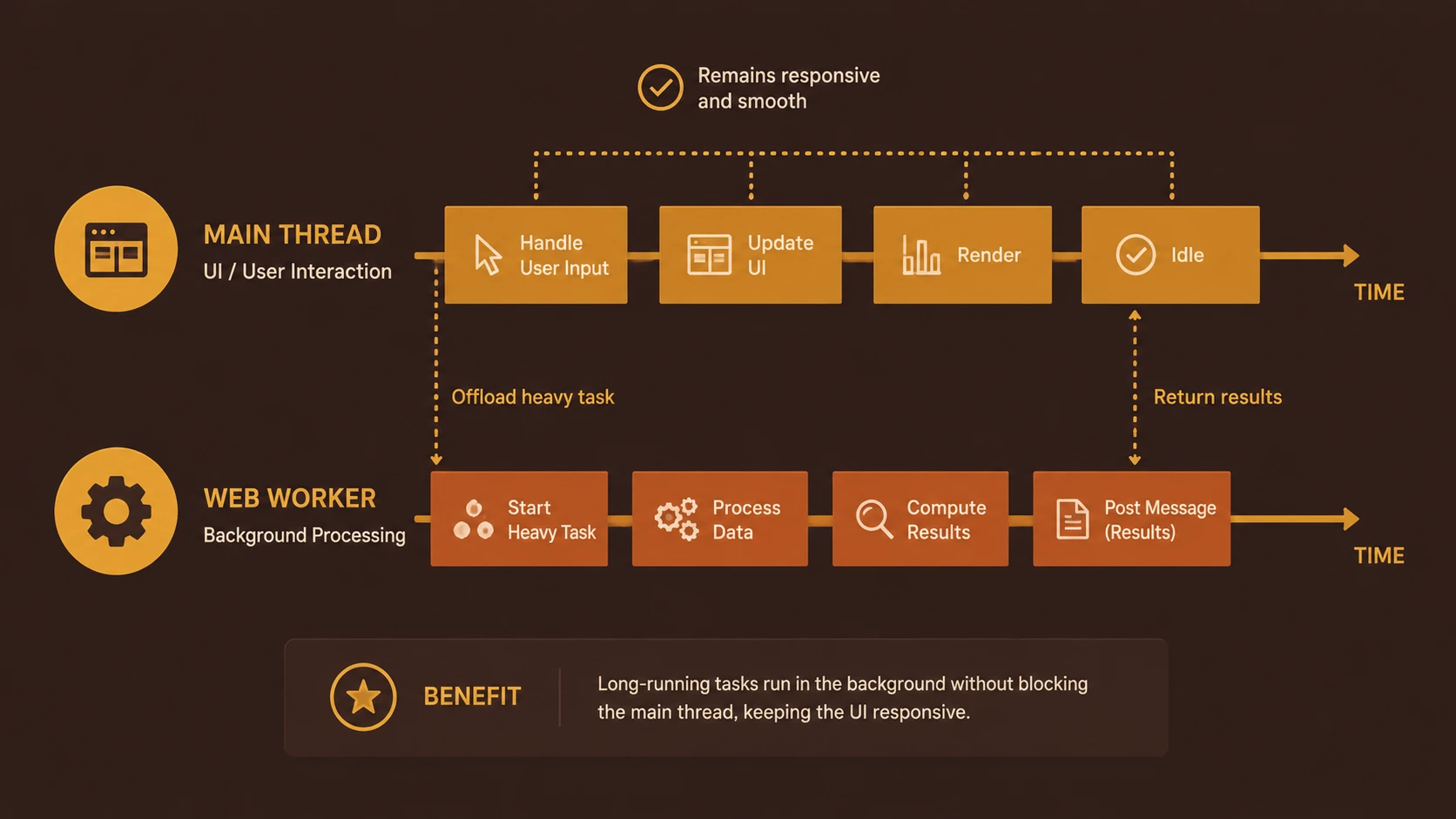
Web Workers: Running Asynchronous JavaScript Threads to Prevent UI Freezes
As enterprise web applications become increasingly sophisticated, long-running JavaScript operations can block the browser's user interface, leading to sluggish interactions and poor user experience. HTML5 Web Workers provide a standardized mechanism for executing JavaScript in background threads, enabling computationally intensive tasks to run without freezing the main UI thread. This article examines Web Workers from the perspective of July 2014, exploring their architecture, enterprise use cases, security considerations, performance implications, and best practices.

REST API Versioning: Comparing URI, Header, and Query Parameter Strategies
As RESTful APIs become foundational to enterprise software, managing change without disrupting existing clients has become a major architectural challenge. This article examines API versioning strategies—including URI, custom headers, media type negotiation, and query parameters—along with their trade-offs, governance considerations, and adoption guidance from the perspective of July 2014.

Node.js Child Processes: Offloading CPU-Heavy Calculations from Event Loop
Node.js excels at asynchronous I/O, but CPU-intensive operations can block its event loop and reduce application responsiveness. This article examines the Child Process module from the perspective of June 2014, exploring its architecture, process models, enterprise use cases, performance trade-offs, and best practices for building scalable server-side applications.
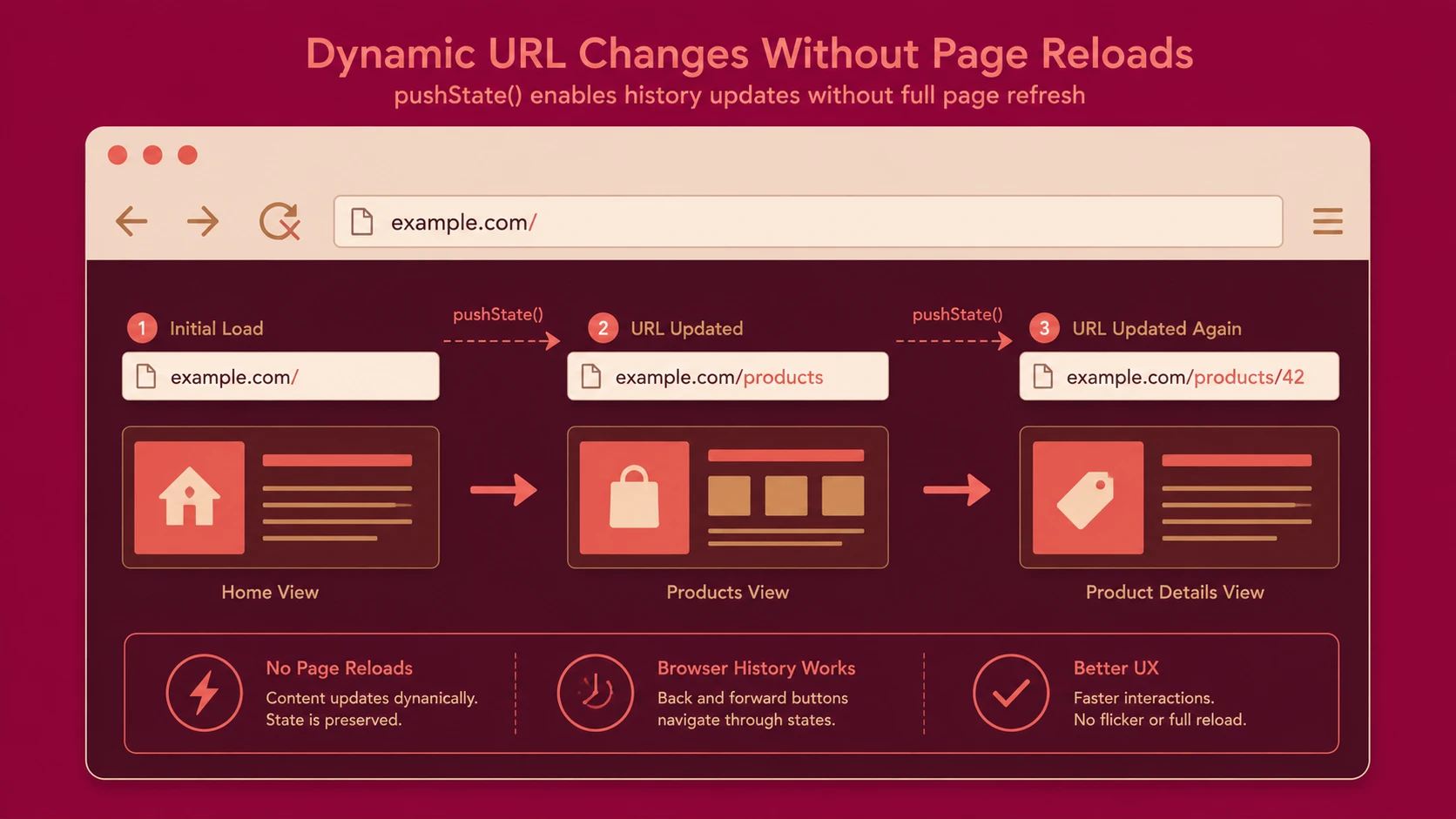
Single Page Application Routing: Managing Client States with HTML5 History API
As Single Page Applications become increasingly common, client-side routing has become a critical architectural concern. This article examines the HTML5 History API, route management, browser navigation, URL design, and enterprise implementation strategies from the perspective of May 2014.

The Heartbleed Bug: Technical Analysis and Mitigations for OpenSSL Vulnerabilities
The disclosure of the Heartbleed vulnerability (CVE-2014-0160) exposed a critical flaw in OpenSSL's implementation of the TLS Heartbeat Extension, placing millions of servers and secure communications at risk. This article examines the technical details of Heartbleed from the perspective of April 2014, explaining its architecture, enterprise impact, mitigation strategies, and operational considerations for security teams.