RAG & Vector DB
Viewing all posts categorized under RAG & Vector DB.


What Is Agent-Native Software Architecture? A Practical Guide for Enterprise Leaders
Agent-native software architecture is redefining how enterprise applications are designed by placing autonomous AI agents at the center of business execution. Unlike traditional applications that follow predefined workflows, agent-native systems can reason, plan, collaborate, use enterprise tools, and adapt to changing business conditions. This guide explores architectural principles, core components, governance, orchestration, multi-agent systems, security, scalability, implementation strategies, and enterprise adoption patterns to help technology leaders build intelligent software for the AI era.

Why Multi-Model AI Is Becoming the New Enterprise Standard
Enterprise AI is moving beyond the search for one perfect model. Multi-model architectures enable organizations to intelligently route workloads across different AI models based on capability, cost, latency, security, compliance, and availability—creating more efficient, resilient, and future-ready AI systems.

PaperClip AI: Streamlining Document Processing with Multimodal Agent Chains
Learn how PaperClip AI leverages multimodal agent chains to process PDFs, invoices, contracts, images, and scanned documents through intelligent document understanding, OCR, reasoning, and enterprise workflow automation.
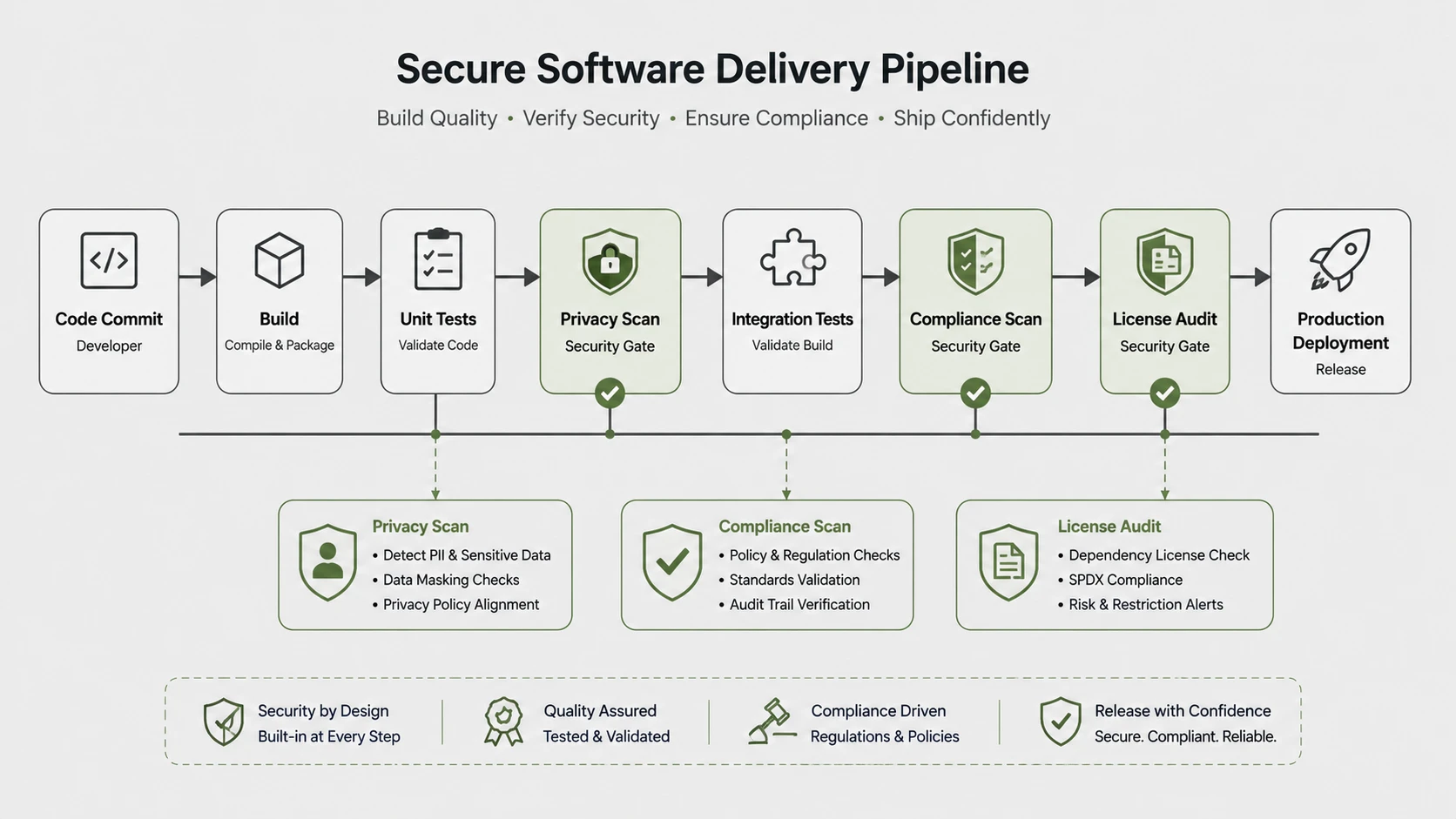
Ethical DevOps: Embedding Trust, Privacy & Security in the Pipeline
Learn how enterprises build trustworthy software delivery pipelines by embedding security, privacy, governance, compliance, and ethical AI principles directly into DevOps workflows through policy automation and continuous validation.

AI-first API Gateways & Semantic Routing: The Next Evolution of Intelligent Enterprise Connectivity
By late 2023, the rapid adoption of Large Language Models has introduced entirely new architectural requirements for enterprise API platforms. Traditional API gateways focused primarily on authentication, routing, rate limiting, and observability. AI-first API gateways extend these capabilities with semantic request understanding, intelligent model selection, prompt governance, context-aware routing, and LLM orchestration. This article examines AI-first API Gateways and Semantic Routing from the perspective of December 2023.

Building Your First .NET MAUI App: A Complete Step-by-Step Guide
Walk through building a complete cross-platform task manager in .NET MAUI — covering Shell navigation, MVVM with CommunityToolkit, local SQLite storage, API calls, swipe-to-delete, pull-to-refresh, and platform-specific customisation from a single C# codebase.

Vue.js 3.0 Release: Composition API, Teleport, and TypeScript Re-architecture
Vue.js 3.0 marks the most significant evolution of the Vue framework since its initial release. Built around a rewritten TypeScript-powered core, the release introduces the Composition API, Teleport, Fragments, improved reactivity, and numerous runtime optimizations designed to improve scalability, maintainability, and enterprise application development. This article examines Vue.js 3.0 from the perspective of September 2020.
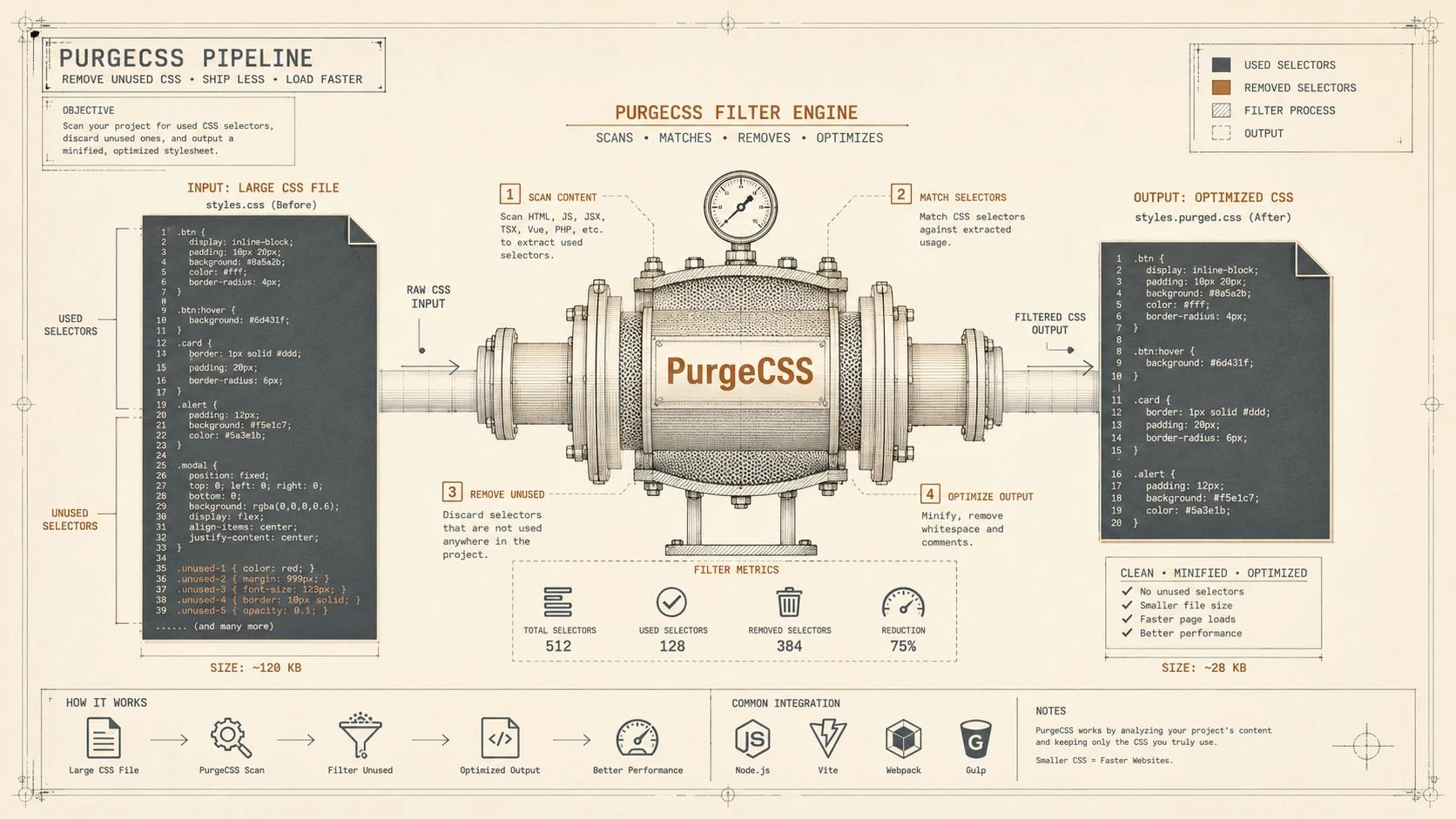
Tailwind CSS 1.4: PurgeCSS Integration and Optimized Production Bundles
Tailwind CSS 1.4 introduces first-class PurgeCSS integration, enabling significantly smaller production CSS bundles while preserving the utility-first development workflow. This release also expands utility coverage, improves configuration flexibility, and strengthens Tailwind's position as a scalable CSS framework for enterprise web development. This article examines Tailwind CSS 1.4 from the perspective of April 2020, focusing on architecture, production optimization, performance, and enterprise adoption.

Kubernetes 1.13: Container Storage Interface (CSI) Graduation to GA
Kubernetes 1.13 marks a major milestone with the Container Storage Interface (CSI) graduating to General Availability. CSI establishes a standardized storage plugin architecture that enables storage vendors to innovate independently from Kubernetes releases while simplifying enterprise storage integration for stateful workloads. This article examines Kubernetes 1.13 from the perspective of December 2018.

Firefox Quantum: Servo CSS Engine Integration and the Rust Web Browser Era
Firefox Quantum introduces one of the most significant architectural redesigns in Mozilla's history. By integrating components from the Servo research browser, including the Rust-based Quantum CSS engine, Firefox gains improved parallelism, modern memory safety techniques, and substantial rendering performance improvements. This article examines Firefox Quantum from the perspective of November 2017, exploring its architecture, enterprise implications, rendering pipeline, and adoption strategy.

SQL Server on Linux: CoreCLR Compilation and SQLPAL Translation Layers
Microsoft's announcement of SQL Server for Linux marks one of the most significant platform shifts in the company's enterprise software strategy. Powered by the SQL Platform Abstraction Layer (SQLPAL), the Linux version preserves the SQL Server storage engine while adapting it to a new operating system. This article analyzes the announcement from the perspective of December 2016, exploring SQLPAL, platform abstraction, enterprise deployment, and architectural implications.
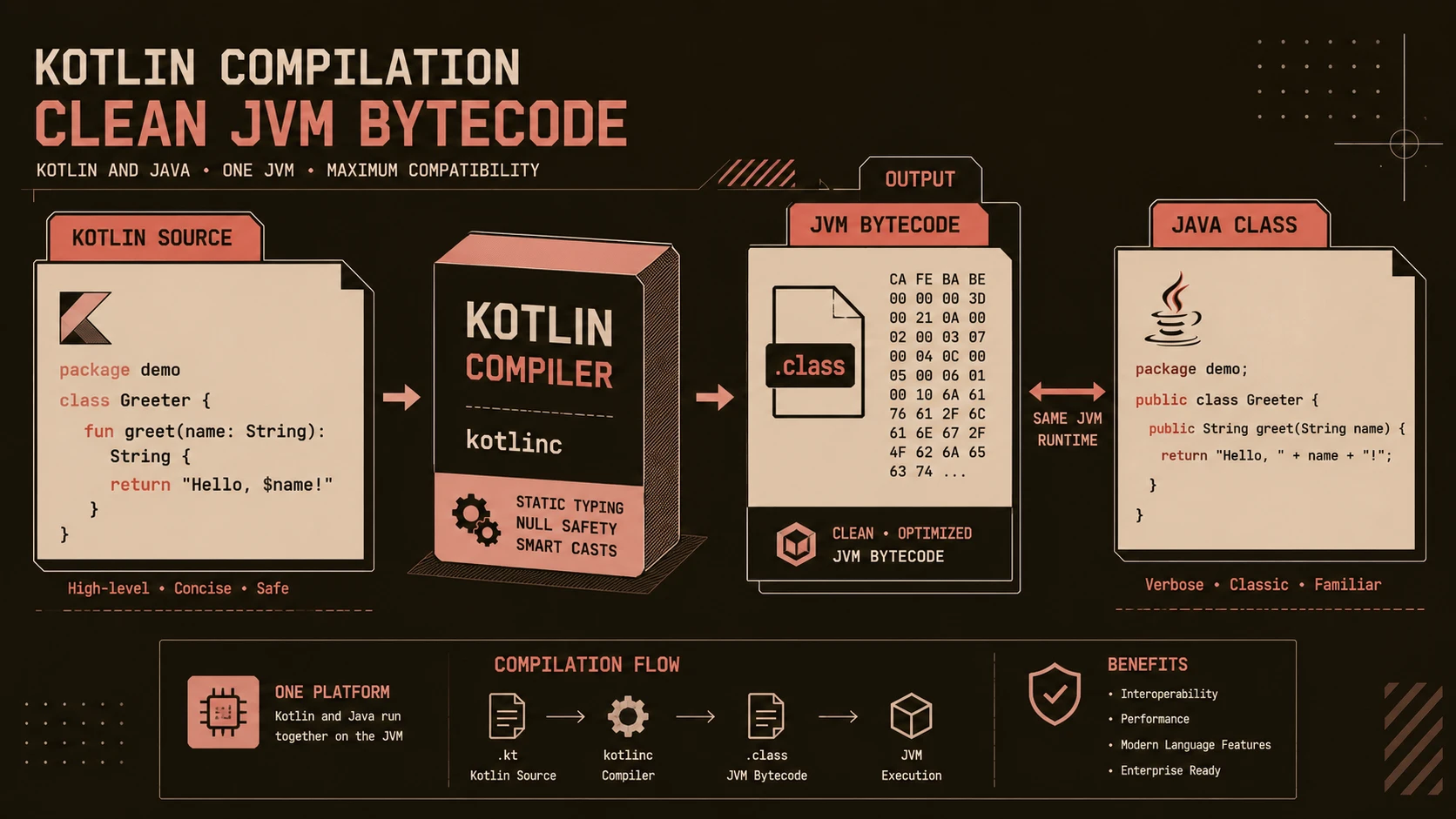
Kotlin 1.0 Release: Java Interoperability, Null Safety, and JVM Compilation
With the release of Kotlin 1.0, JetBrains delivers a stable, production-ready programming language designed for seamless Java interoperability, improved null safety, concise syntax, and efficient JVM compilation. Kotlin enables organizations to modernize existing Java applications while leveraging the mature Java ecosystem. This article examines Kotlin 1.0 from the perspective of March 2016, exploring its architecture, enterprise use cases, performance characteristics, scalability, and adoption considerations.

Database Index Fragmentation: Diagnosing and Rebuilding SQL Server B-Trees
As SQL Server databases grow, index fragmentation can significantly affect query performance, storage efficiency, and maintenance operations. This article explores how SQL Server B-Tree indexes become fragmented, how to diagnose fragmentation accurately, and when to reorganize or rebuild indexes from the perspective of late 2014.

CSS Grid Layout: The Future of Two-Dimensional Responsive Interface Alignments
As responsive web applications become increasingly sophisticated, developers are searching for layout systems that extend beyond the limitations of floats, inline-blocks, and one-dimensional positioning. This article examines the CSS Grid Layout specification from the perspective of October 2014, exploring its architecture, enterprise implications, performance considerations, and how it may influence the future of responsive interface engineering.

IndexedDB vs. LocalStorage: Choosing Client-Side Databases for Web Apps
Modern web applications increasingly require client-side storage for offline functionality, performance optimization, and responsive user experiences. This article compares IndexedDB and LocalStorage from the perspective of August 2014, examining architecture, performance, scalability, security, browser capabilities, and enterprise adoption strategies.