SaaS Engineering
Viewing all posts categorized under SaaS Engineering.


What Is Multi-Agent Orchestration? The Complete 2026 Technical Guide
Multi-agent orchestration is the architectural discipline of coordinating multiple specialized AI agents to work together toward shared business objectives. Rather than relying on a single general-purpose agent, enterprise organizations increasingly deploy teams of autonomous agents responsible for planning, reasoning, collaboration, execution, and governance across business systems. This guide explores orchestration architectures, communication models, planning strategies, coordination patterns, security, observability, scalability, enterprise adoption, and implementation best practices.
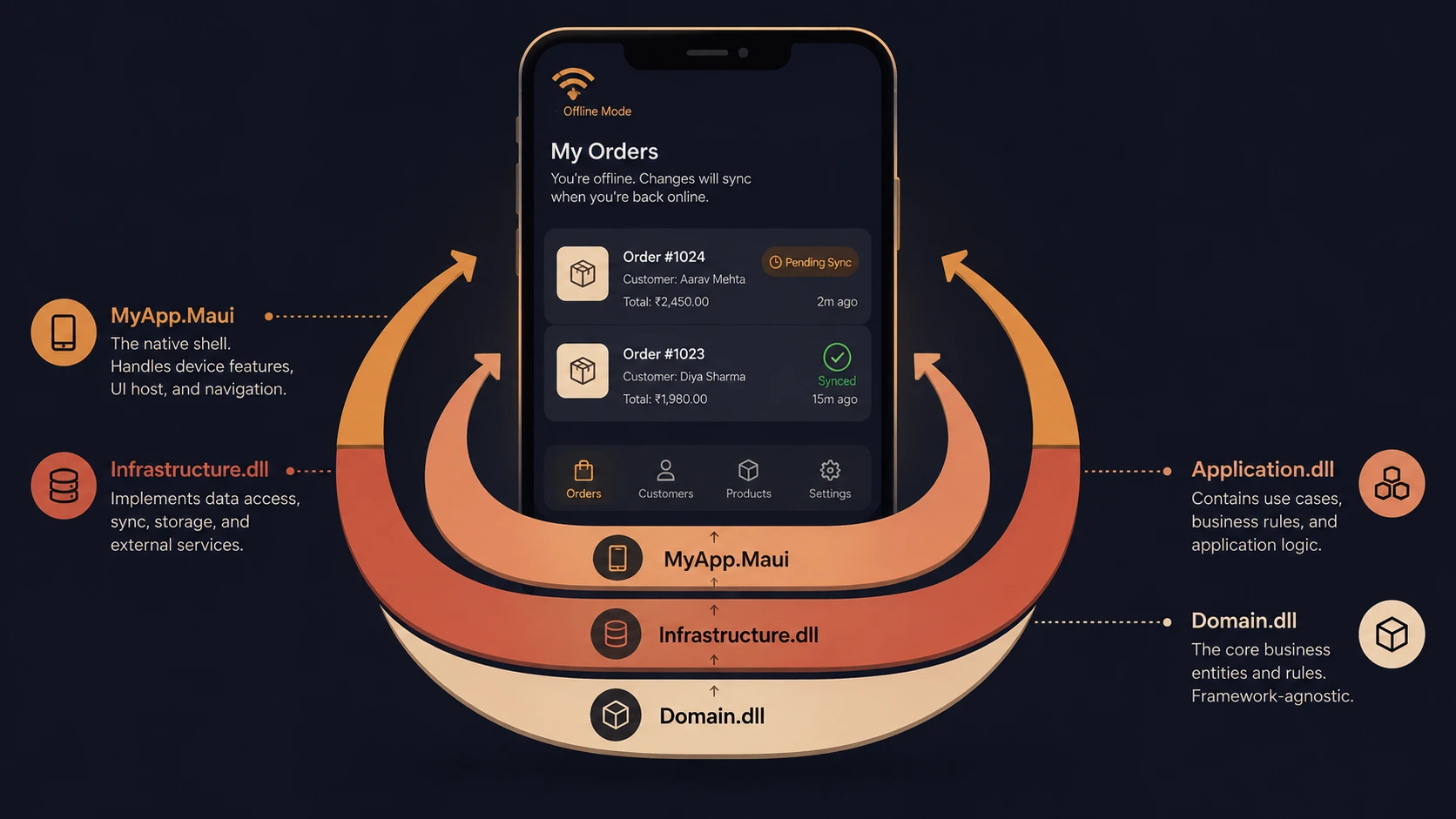
Clean Architecture in Blazor Hybrid: Building a Highly Resilient, Offline-First .NET MAUI App
How we built ContactHub — a cross-platform .NET MAUI mobile client sharing 95% of its UI with a Blazor WebAssembly admin dashboard, featuring offline SQLite caching and network sync orchestration.

Platform Ecosystem Playbooks: Turning SaaS into System-of-Systems
Learn how enterprises transform standalone SaaS applications into scalable platform ecosystems by integrating APIs, event-driven architecture, partner platforms, AI agents, and composable services that create network effects and continuous innovation.

Data Mesh Adoption in Real Enterprises
As enterprise data volumes continue to grow across cloud platforms, SaaS applications, operational systems, and streaming architectures, organizations are rethinking centralized data management. Data Mesh has emerged as an architectural approach that distributes data ownership to business domains while providing standardized self-service infrastructure and governance. This article examines Data Mesh adoption from the perspective of April 2023, focusing on architecture, implementation patterns, enterprise challenges, and practical migration strategies.

The Zero-Trust Security Wave
As organizations embrace cloud computing, remote work, SaaS applications, and distributed infrastructure, traditional perimeter-based security models are proving insufficient. Zero Trust Architecture has emerged as a strategic cybersecurity model that assumes no implicit trust, continuously verifies every user and device, and minimizes attack surfaces. This article examines the Zero Trust movement from the perspective of February 2022, exploring its principles, architecture, enterprise adoption, implementation challenges, and future direction.

Next.js 1.0 Release: Server-Side Rendering for React Applications
Next.js 1.0 introduces an opinionated framework for React that simplifies server-side rendering, routing, and production deployment. This article examines the framework's architecture, rendering pipeline, enterprise use cases, performance characteristics, and adoption considerations from the perspective of September 2016.

AWS Lambda and Serverless Framework: Deploying Event-Driven SaaS Backends
AWS Lambda has introduced a new execution model where code runs in response to events without provisioning or managing servers. Combined with the emerging Serverless Framework, organizations can simplify deployment, infrastructure management, and operational automation. This article examines the architecture, deployment pipeline, performance characteristics, and enterprise adoption considerations from the perspective of June 2016.

Database Sharding Patterns: Architecting Horizontal Scale-Out for Web SaaS
As Software as a Service platforms continue to grow, vertically scaling a single database server becomes increasingly difficult. This article explores database sharding patterns, shard key selection, routing architectures, operational challenges, and enterprise best practices for building horizontally scalable web applications from the perspective of late 2013.
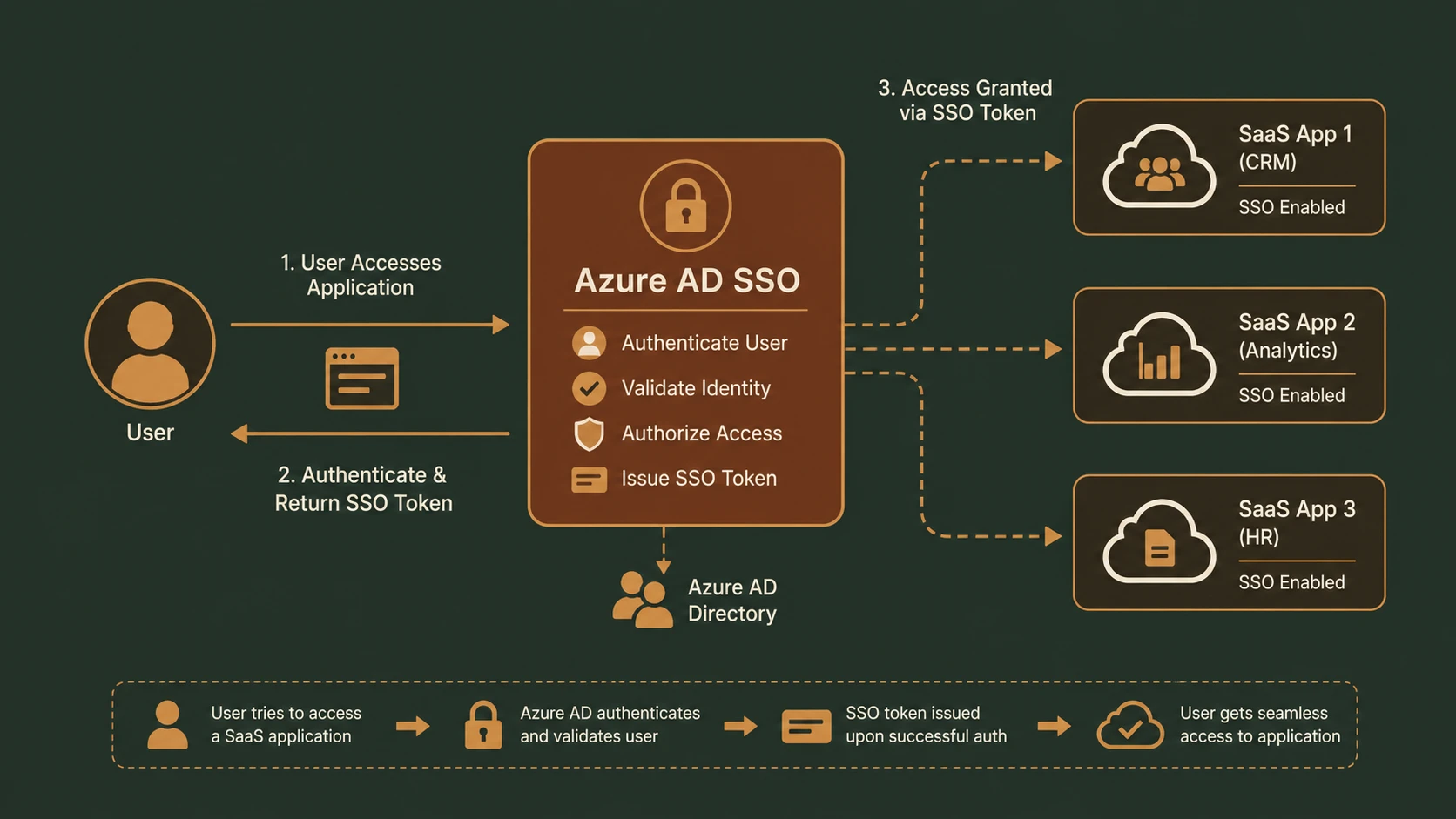
Windows Azure AD: Identity Management and Single Sign-On for Enterprise SaaS
Windows Azure Active Directory introduces Microsoft's cloud-based identity management service, enabling enterprises to extend on-premises Active Directory identities into cloud applications while simplifying authentication and single sign-on. This article examines Windows Azure AD from the perspective of February 2013, exploring its architecture, enterprise integration, security model, and its role in supporting the growing adoption of Software as a Service solutions.

SaaS vs. On-Premise: Key Lessons from the Launch of Office 365
Microsoft's launch of Office 365 marks a significant milestone in enterprise cloud computing. Combining Exchange Online, SharePoint Online, Lync Online, and Office productivity tools, Office 365 introduces a compelling Software-as-a-Service model for organizations evaluating the transition from traditional on-premise infrastructure. This article examines the architectural implications, benefits, challenges, and adoption strategies from the perspective of June 2011.

The Chromebook Era: Can the Browser Become the Operating System?
Google's introduction of Chromebooks represents a bold rethinking of personal computing, placing the web browser at the center of the user experience. As enterprises increasingly adopt cloud applications and web services, organizations must evaluate whether browser-centric computing can become a practical alternative to traditional desktop operating systems.