Cybersecurity
Viewing all posts categorized under Cybersecurity.


The Zero-Trust Security Wave
As organizations embrace cloud computing, remote work, SaaS applications, and distributed infrastructure, traditional perimeter-based security models are proving insufficient. Zero Trust Architecture has emerged as a strategic cybersecurity model that assumes no implicit trust, continuously verifies every user and device, and minimizes attack surfaces. This article examines the Zero Trust movement from the perspective of February 2022, exploring its principles, architecture, enterprise adoption, implementation challenges, and future direction.

Distributed Architectures in the Post-Pandemic Era
The COVID-19 pandemic fundamentally changed enterprise software architecture. Organizations accelerated cloud adoption, remote work, digital services, and globally distributed applications. This article examines how distributed architectures have evolved in early 2022, the technologies enabling them, and the architectural principles enterprise teams should adopt for resilient, scalable systems.

Getting Started with Blazor WebAssembly: Build Browser Apps with C#
Blazor WebAssembly lets you run C# directly in the browser — no JavaScript required. Here's a comprehensive guide to building your first real app with full code examples, lifecycle methods, authentication, state management, and production optimisation strategies.

Deno 1.0 Release: The Secure TypeScript and JavaScript Runtime by Ryan Dahl
Deno 1.0 introduces a modern runtime for JavaScript and TypeScript that rethinks many architectural decisions made during Node.js's early evolution. Designed by Node.js creator Ryan Dahl, Deno emphasizes security by default, native TypeScript support, ES module adoption, and a simplified standard library. This article examines Deno 1.0 from the perspective of May 2020, evaluating its architecture, enterprise implications, performance considerations, and adoption strategy.

Spectre and Meltdown CPU Vulnerabilities: Mitigating Side-Channel Attacks in Web Browsers
The disclosure of Spectre and Meltdown has exposed fundamental side-channel vulnerabilities affecting modern processors. Browser vendors, operating system developers, cloud providers, and enterprise security teams are responding with coordinated mitigations designed to reduce the risk of data leakage through speculative execution attacks. This article examines the technical foundations, browser mitigations, enterprise implications, and deployment considerations as understood in January 2018.
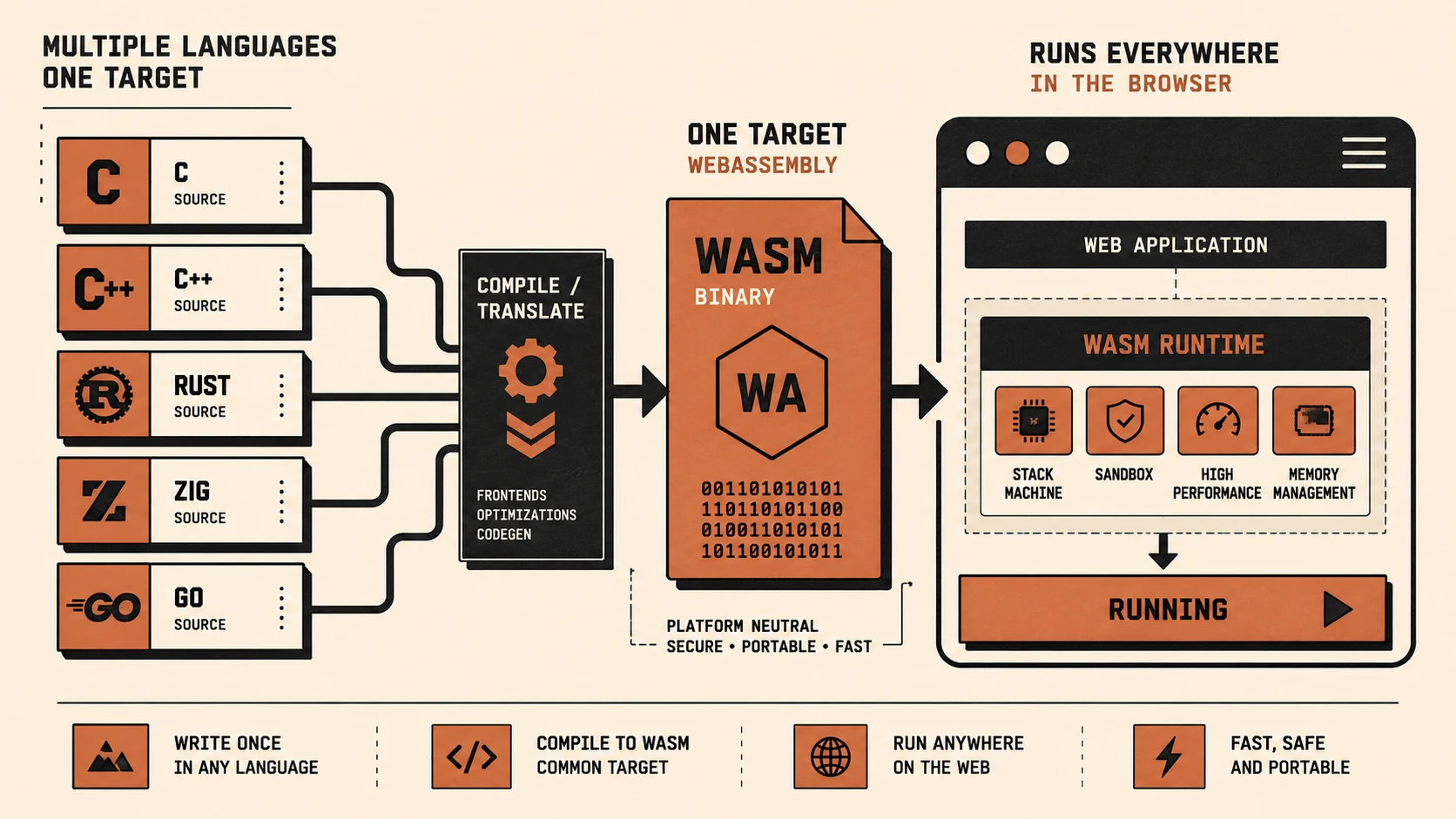
WebAssembly MVP Approval: The Web Rises as a Universal Compiler Target
The approval of the WebAssembly Minimum Viable Product (MVP) marks a major milestone for modern web development. By introducing a portable binary instruction format designed for high-performance execution across modern browsers, WebAssembly establishes the web as a viable compilation target for multiple programming languages. This article analyzes the technology from the perspective of March 2017, exploring its architecture, enterprise implications, performance characteristics, security model, and adoption strategy.

Web Bluetooth API: Interfacing Browser Client JS with Physical IoT Devices
The Web Bluetooth API introduces a standardized mechanism for JavaScript applications to communicate directly with nearby Bluetooth Low Energy devices. This article examines the API architecture, security model, browser capabilities, enterprise use cases, performance considerations, and adoption strategy from the perspective of February 2017.

HTTPS-Only Web Movement: How Browsers Mark HTTP as Insecure
Major browser vendors are accelerating the transition toward an HTTPS-first web by beginning to identify unencrypted HTTP pages as insecure. As TLS adoption increases and free certificate authorities reduce deployment barriers, enterprise organizations must reassess web security strategies, infrastructure, and application architecture. This article examines the HTTPS-only movement from the perspective of November 2016.

Yarn Package Manager: Fast, Secure, and Deterministic Dependencies for JS apps
Yarn introduces a new package manager for the JavaScript ecosystem focused on deterministic dependency resolution, faster installations, offline caching, and improved security. This article examines Yarn's architecture, lockfile mechanism, package resolution model, enterprise adoption considerations, and build pipeline integration from the perspective of September 2016.
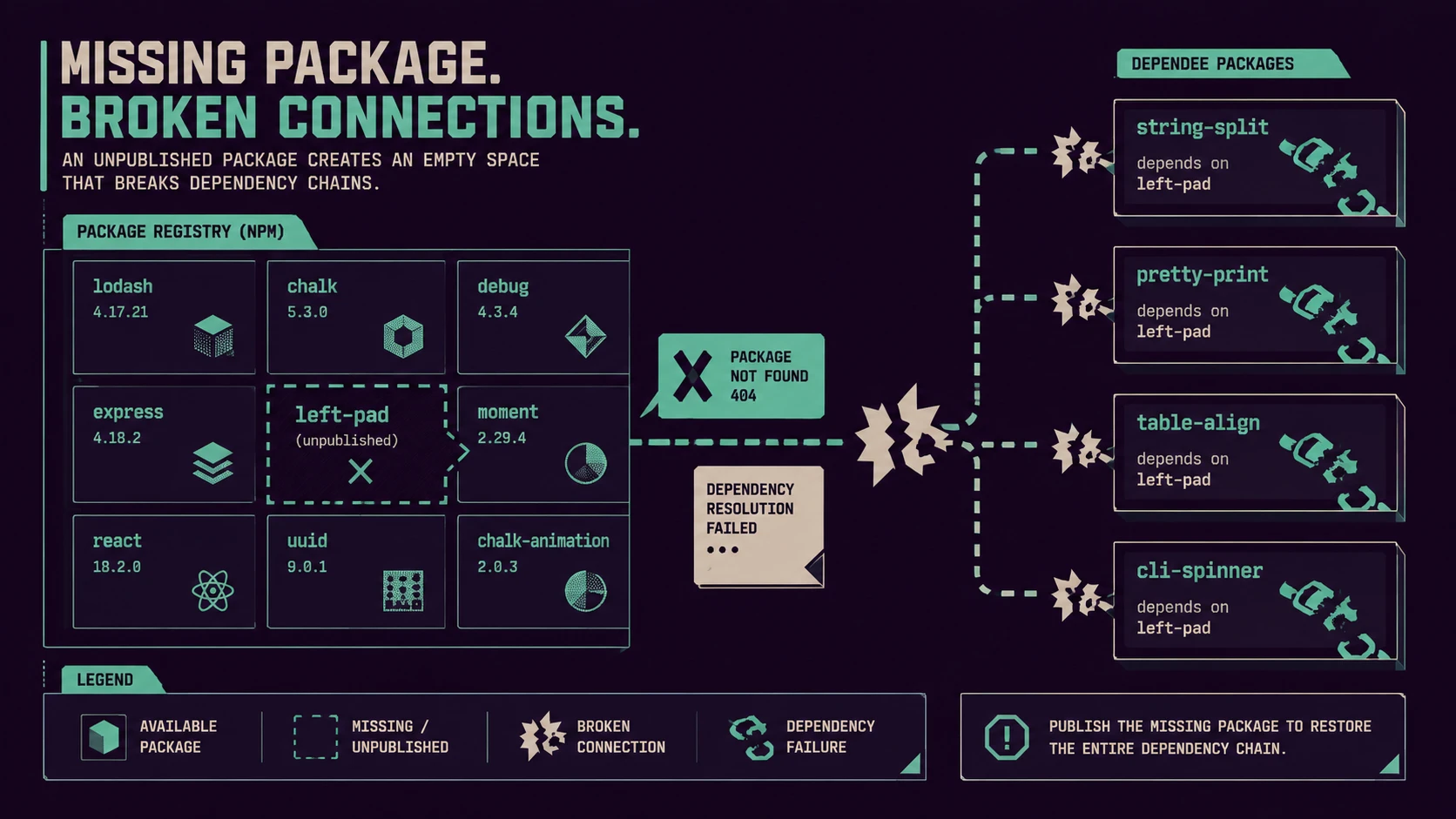
NPM Package Management Security: Deconstructing the Left-Pad Packaging Crisis
The unexpected removal of the Left-Pad package from the NPM registry exposed how deeply modern JavaScript applications depend on third-party packages. This article examines the incident from the perspective of March 2016, exploring dependency management, package registry governance, software supply chain security, and enterprise best practices for managing Node.js ecosystems.

Let's Encrypt Public Beta: Automating SSL/TLS Certificate Provisioning via ACME Protocol
Let's Encrypt enters public beta with a mission to simplify HTTPS adoption through free, automated SSL/TLS certificates using the ACME protocol. This article examines the architecture, certificate lifecycle, validation workflow, operational benefits, security considerations, and enterprise adoption strategies from the perspective of October 2015.

WebAssembly Announcement: Developing Native Code Runtimes inside Browser Engines
The WebAssembly initiative has been announced as a collaborative effort by major browser vendors to create a compact binary format for the web. This article examines the proposal from the perspective of August 2015, exploring its architecture, enterprise implications, performance goals, security model, and how it may influence the future of browser-based application development.

Docker 1.6: Engine Labels, Registry API v2, and Container Security Policies
Docker continues to mature as an enterprise container platform with the release of Docker 1.6. New capabilities including Engine Labels, Registry API v2, and improved security controls strengthen container deployment, orchestration, and image management. This article examines Docker 1.6 from the perspective of March 2015, evaluating its architecture, enterprise applications, and operational considerations.

IndexedDB vs. LocalStorage: Choosing Client-Side Databases for Web Apps
Modern web applications increasingly require client-side storage for offline functionality, performance optimization, and responsive user experiences. This article compares IndexedDB and LocalStorage from the perspective of August 2014, examining architecture, performance, scalability, security, browser capabilities, and enterprise adoption strategies.

SQL Server Auditing: Monitoring Database Access and Tracking Audit Trails
As enterprise organizations place greater emphasis on regulatory compliance and data security, SQL Server Auditing has become an essential capability for tracking database access and administrative activity. This article examines SQL Server auditing from the perspective of August 2014, exploring its architecture, enterprise deployment strategies, performance considerations, and best practices for building reliable audit trails.