Agentic AI
Viewing all posts categorized under Agentic AI.


Apache Cassandra 1.1: Multi-Data Center Replication for Enterprise
Apache Cassandra 1.1 introduces significant improvements in multi-data center replication, operational management, and performance, making it an increasingly attractive option for enterprises requiring highly available, geographically distributed databases. This article examines Cassandra 1.1 from the perspective of April 2012, exploring its architecture, replication model, scalability characteristics, enterprise adoption considerations, and operational best practices.
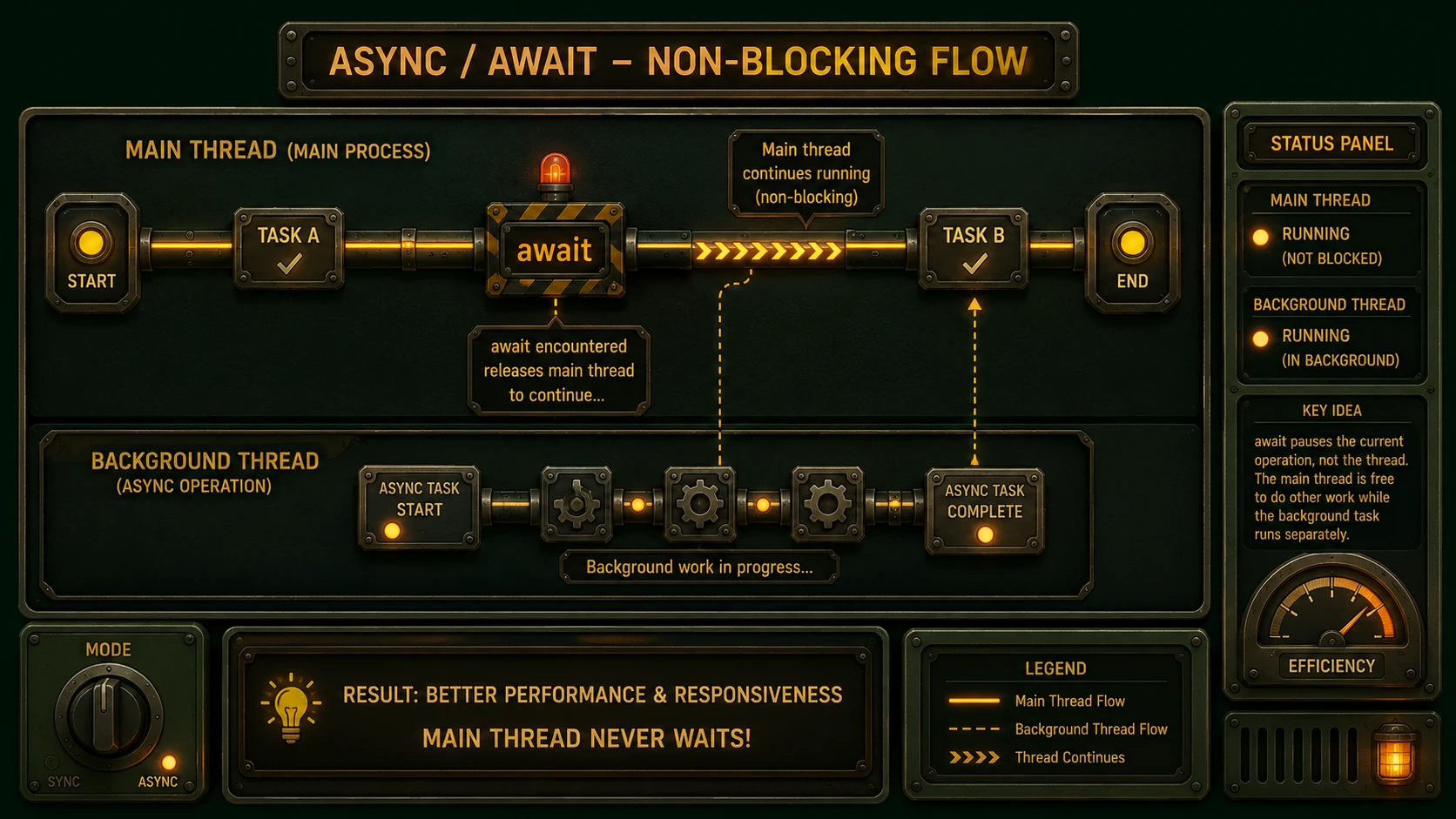
C# 5.0 Async and Await: How Microsoft Simplified Asynchrony
Microsoft's upcoming C# 5.0 language enhancements introduce async and await, promising to simplify asynchronous programming across desktop, web, and server applications. As developers evaluate the Async CTP and Visual Studio 11 previews, enterprise teams are beginning to assess how these language features could reshape application architecture and improve maintainability. This article examines the concepts, benefits, challenges, and adoption considerations from the perspective of December 2011.

WebSockets RFC 6455: Finalizing the Standard for Real-Time Web
With RFC 6455 officially published as the WebSocket Protocol, the web platform gains a standardized mechanism for persistent, bidirectional communication between browsers and servers. This milestone opens new possibilities for enterprise collaboration, real-time dashboards, financial systems, and interactive web applications.

CSS3 Flexbox: The Layout Specification Web Designers Waited For
The CSS3 Flexible Box Layout Module introduces a fundamentally different approach to page layout by addressing many of the limitations of floats, tables, and absolute positioning. Although browser implementations are still evolving, Flexbox offers promising capabilities for building adaptable user interfaces. This article examines the technology, architectural implications, and enterprise adoption considerations from the perspective of November 2011.

Dart Language: Google's Attempt to Replace JavaScript
Google has introduced Dart, a new structured programming language designed for scalable web application development. While JavaScript remains the foundation of the modern web, Dart proposes a different approach aimed at improving developer productivity, maintainability, and application scalability. This article examines Dart from the perspective of November 2011.

Siri and the Mobile Future: The Emergence of Voice User Interfaces
With the introduction of Siri alongside the iPhone 4S, voice interaction has entered mainstream mobile computing. While voice recognition has existed for years, Siri introduces a conversational approach that could significantly influence mobile application design, enterprise productivity, and the future of natural user interfaces.

Windows 8 Metro UI: Microsoft's Radical Pivot to Touch Design
With the Windows 8 Developer Preview now available, Microsoft has introduced Metro, a bold new design language centered on touch-first interaction, immersive applications, and modern user experiences. This article examines the architectural, design, and enterprise implications of Microsoft's new direction from the perspective of September 2011.

The Node.js Package Explosion: Navigating npm Dependency Management
Node.js and npm are experiencing remarkable growth as JavaScript expands beyond the browser. As thousands of reusable modules become available, enterprise development teams must learn how to manage dependencies, evaluate package quality, and build maintainable server-side JavaScript applications.

Twitter Bootstrap: Standardizing Responsive Layouts for Frontend
Twitter Bootstrap introduces a comprehensive frontend framework that standardizes layouts, typography, UI components, and responsive design practices. As enterprise teams seek greater consistency and faster development cycles, Bootstrap offers a reusable foundation for building maintainable web applications. This article examines Bootstrap's architecture, strengths, limitations, and enterprise adoption considerations from the perspective of August 2011.

SQL Server 2012 AlwaysOn: Rethinking Database Disaster Recovery
Microsoft's SQL Server 2012 introduces the AlwaysOn family of high availability technologies, offering a new approach to database resiliency and disaster recovery. As organizations continue demanding higher uptime and improved business continuity, enterprise architects are evaluating how AlwaysOn can complement or replace traditional SQL Server failover strategies. This article explores the architecture, capabilities, and adoption considerations from the perspective of July 2011.

Functional Paradigms in C#: Using LINQ and Lambdas Effectively
Functional programming concepts are steadily influencing mainstream enterprise development. Through LINQ, lambda expressions, extension methods, and delegates, C# enables developers to write more expressive, maintainable, and testable code without abandoning object-oriented principles. This article examines how enterprise teams can effectively adopt these capabilities in 2011.

Silverlight 5 Beta: The Final Stand of Rich Browser Plug-ins
Silverlight 5 Beta introduces significant enhancements for enterprise application development, including improved graphics, media capabilities, 64-bit browser support, and developer productivity features. As HTML5 continues to gain industry attention, enterprise architects must evaluate where Silverlight remains a strong choice for business applications in 2011.
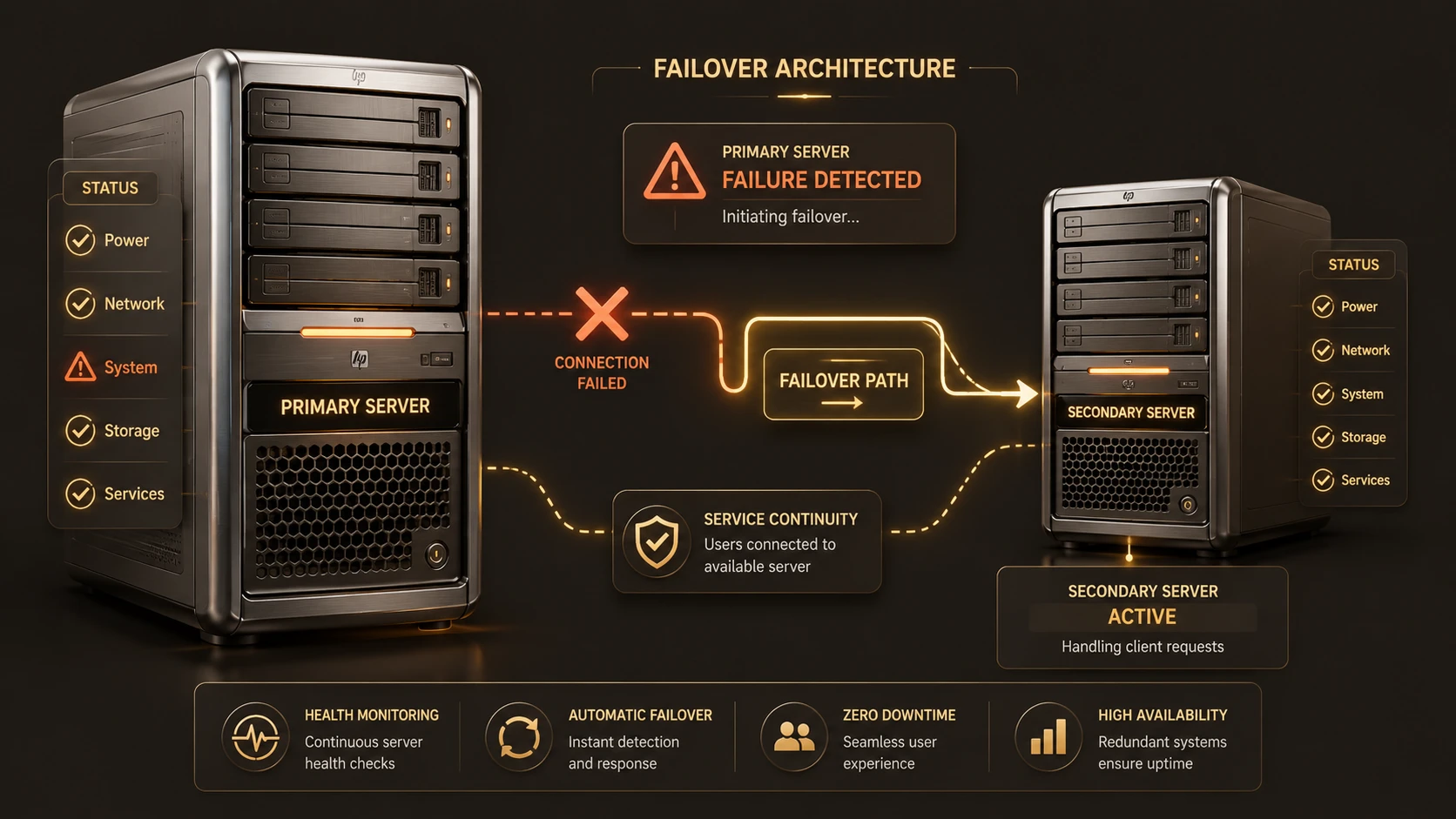
High Availability Lessons: Analyzing the 2011 AWS US-East Outage
The April 2011 AWS US-East outage has become one of the most significant cloud infrastructure events of the year. This article analyzes what happened based on information available following the incident, discusses the architectural implications for enterprise workloads, and outlines practical high availability strategies for organizations adopting cloud computing.

Entity Framework 4.1: Code-First Development and DbContext API
Entity Framework 4.1 introduces one of the most anticipated enhancements to Microsoft's data access platform: Code-First development and the simplified DbContext API. These features enable developers to build domain models before databases while reducing complexity and improving productivity. This article examines the architecture, benefits, limitations, and enterprise adoption considerations from the perspective of March 2011.

The Rise of Scala: Bringing Functional Programming to the JVM
Scala is gaining significant attention among enterprise developers by combining functional programming with object-oriented design on the Java Virtual Machine. This article explores Scala's language features, interoperability with Java, enterprise use cases, and architectural considerations from the perspective of early 2011.