Architecture
Viewing all posts categorized under Architecture.


Deno 1.0 Release: The Secure TypeScript and JavaScript Runtime by Ryan Dahl
Deno 1.0 introduces a modern runtime for JavaScript and TypeScript that rethinks many architectural decisions made during Node.js's early evolution. Designed by Node.js creator Ryan Dahl, Deno emphasizes security by default, native TypeScript support, ES module adoption, and a simplified standard library. This article examines Deno 1.0 from the perspective of May 2020, evaluating its architecture, enterprise implications, performance considerations, and adoption strategy.
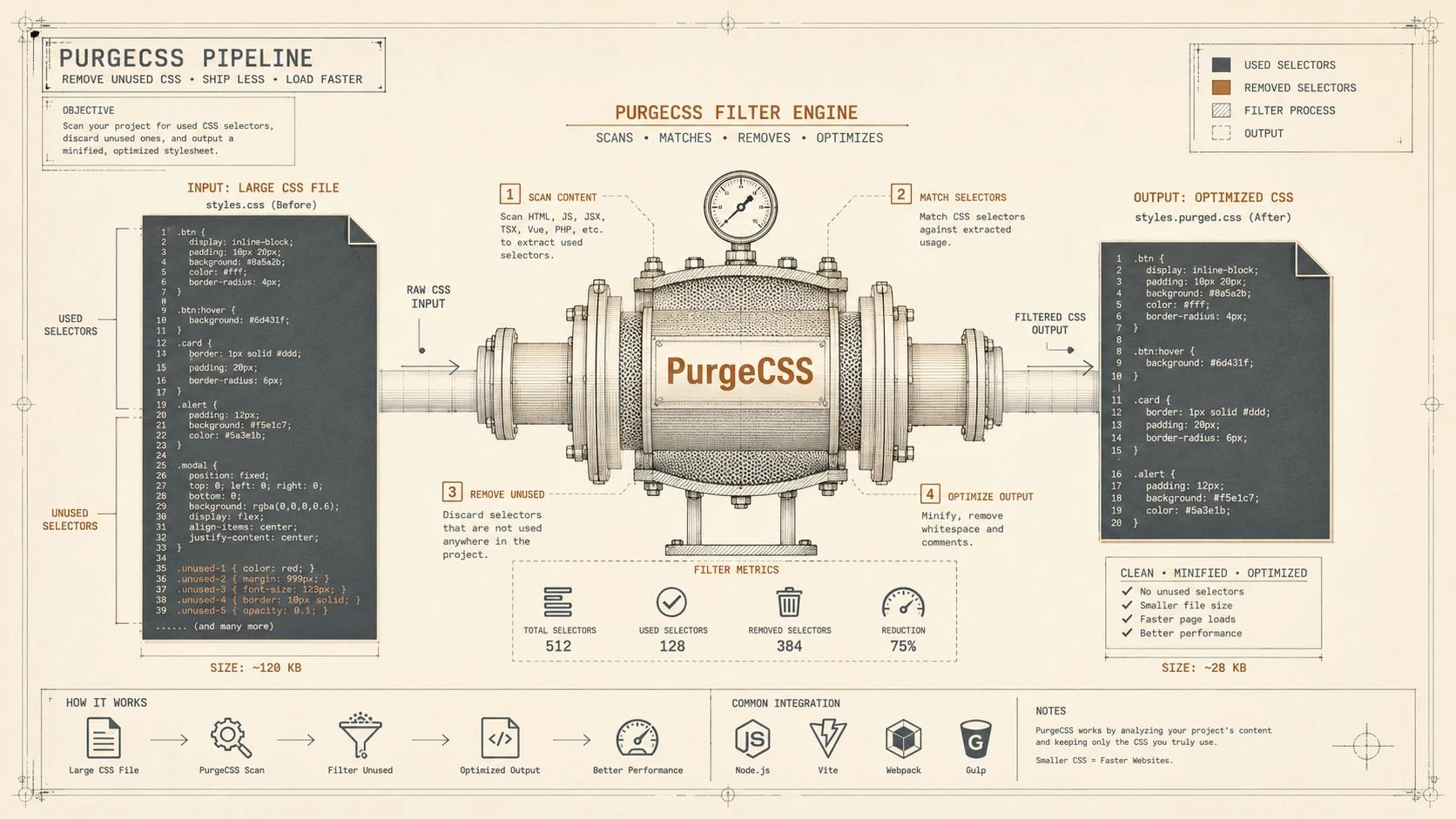
Tailwind CSS 1.4: PurgeCSS Integration and Optimized Production Bundles
Tailwind CSS 1.4 introduces first-class PurgeCSS integration, enabling significantly smaller production CSS bundles while preserving the utility-first development workflow. This release also expands utility coverage, improves configuration flexibility, and strengthens Tailwind's position as a scalable CSS framework for enterprise web development. This article examines Tailwind CSS 1.4 from the perspective of April 2020, focusing on architecture, production optimization, performance, and enterprise adoption.

CSS Subgrid Layout Specification Status: Nested Grid Alignments Inside Layouts
The CSS Subgrid specification continues progressing as one of the most anticipated enhancements to CSS Grid Layout. By allowing nested grid containers to inherit track definitions from their parent grids, Subgrid promises cleaner layout architecture, improved alignment consistency, and reduced markup complexity. This article examines the technology from the perspective of March 2020, evaluating its architecture, browser implementation status, enterprise implications, and adoption strategy.

Java 14: Record Classes, Pattern Matching, and Helpful NullPointerExceptions
Java 14 continues the OpenJDK rapid release cadence by introducing Record Classes and Pattern Matching for instanceof as preview features, enabling Helpful NullPointerExceptions by default, and delivering numerous JVM and language refinements. This article examines these capabilities from the perspective of March 2020, focusing on enterprise software architecture, maintainability, developer productivity, and migration planning.
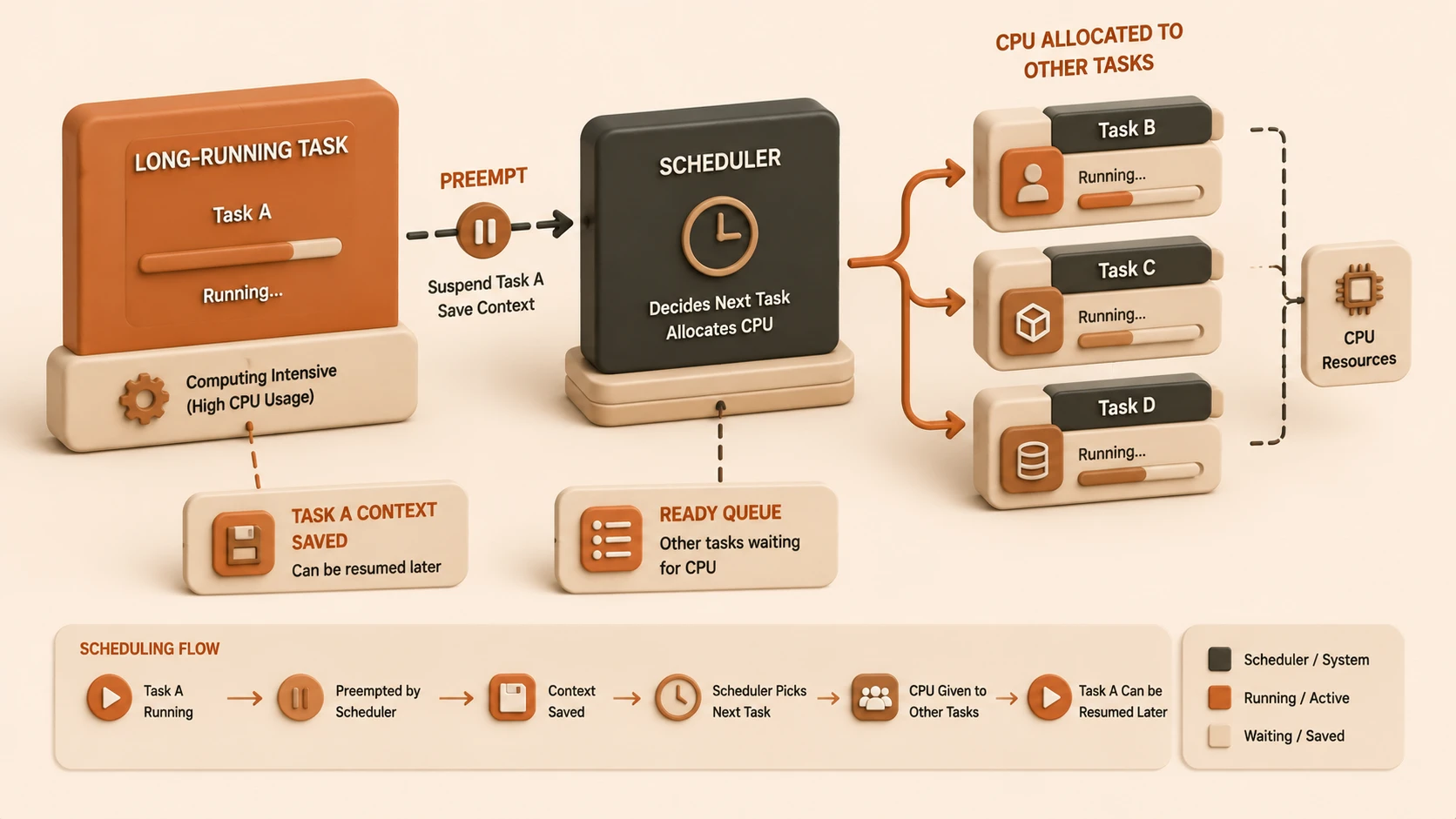
Go 1.14: Production Modules and Goroutine Preemptive Scheduling
Go 1.14 continues the language's focus on simplicity, reliability, and operational efficiency by stabilizing Go Modules for production development and introducing asynchronous goroutine preemption. These enhancements improve dependency management, reduce scheduler latency, and strengthen Go as a platform for cloud-native services, distributed systems, and enterprise backend applications. This article examines Go 1.14 from the perspective of February 2020.

React Native 0.62: Flipper Integration and Component Render Debugging
React Native 0.62 introduces native Flipper integration as the default debugging platform, improving inspection of layouts, network traffic, databases, logs, and React component rendering. Combined with Fast Refresh improvements and ongoing architecture refinements, this release significantly enhances developer productivity for enterprise mobile applications. This article examines React Native 0.62 from the perspective of February 2020.

Svelte v3 Adoption: How Compile-Time Frameworks Scaled in Production
Svelte v3 introduces a fundamentally different approach to frontend development by shifting work from the browser to the compiler. Instead of shipping a large runtime, Svelte generates optimized JavaScript during build time, reducing bundle size and improving runtime performance. This article examines Svelte v3 from the perspective of January 2020, exploring its architecture, enterprise implications, scalability, and production readiness.

Kubernetes 1.17: Cloud Provider Label Standardizations and Nodes GA
Kubernetes 1.17 advances the platform's long-term architecture by standardizing cloud provider node labels, continuing the migration toward external cloud providers, and strengthening production cluster consistency. These improvements simplify multi-cloud operations, scheduling reliability, and infrastructure portability. This article examines Kubernetes 1.17 from the perspective of December 2019.

React Concurrent Mode: Previews of Suspense for Data Fetching and User Interactions
React's Concurrent Mode preview introduces a fundamentally new rendering architecture focused on interruptible rendering, improved responsiveness, and better user experience. Together with Suspense for data fetching, these capabilities aim to simplify asynchronous UI development while enabling large enterprise applications to remain responsive under heavy workloads. This article examines the architecture, rendering model, enterprise implications, and adoption considerations from the perspective of December 2019.

Node.js 13.0: Native ES Modules Support and the Removal of Compiler Flags
Node.js 13.0 significantly advances JavaScript server-side development by enabling native ECMAScript Modules without the experimental compiler flag. This release continues the modernization of the Node.js runtime, introduces improvements to module resolution, and helps align browser and server-side JavaScript development. This article examines the architecture, enterprise implications, migration considerations, and performance characteristics from the perspective of October 2019.

.NET Core 3.0: Standardizing C# 8.0, gRPC Templates, and Assembly Linkers
.NET Core 3.0 marks a major milestone in Microsoft's cross-platform development strategy by introducing full support for C# 8.0, first-party gRPC templates, Windows desktop application support, and assembly trimming capabilities. These enhancements strengthen .NET Core as the preferred platform for modern enterprise applications, cloud-native services, and high-performance distributed systems. This article examines .NET Core 3.0 from the perspective of October 2019.
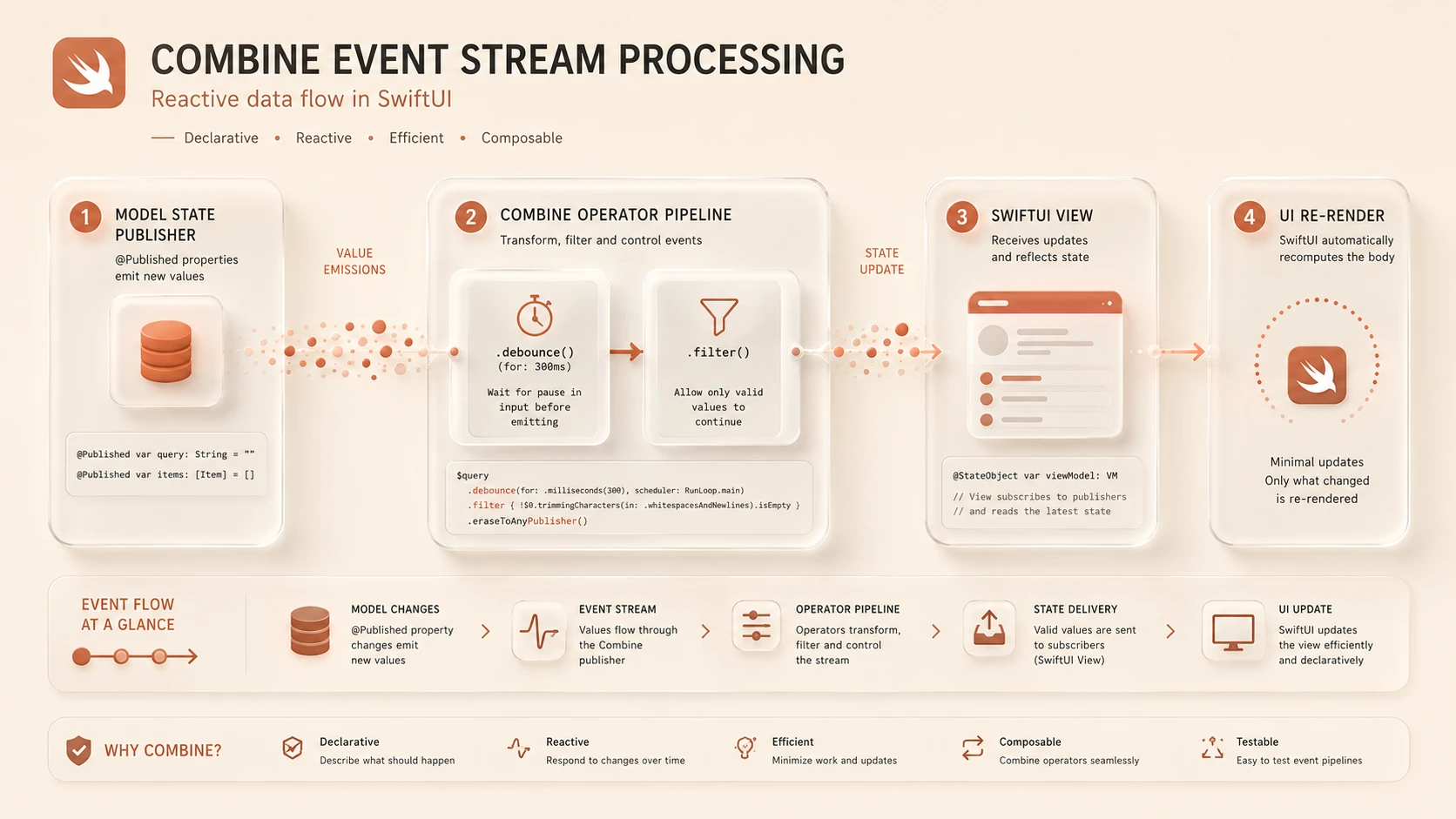
SwiftUI and Combine: Developing Reactive Mobile Apps Natively on iOS 13
Introduced alongside iOS 13, SwiftUI and Combine represent Apple's most significant evolution in application development since Swift itself. SwiftUI introduces declarative user interface development while Combine provides a native reactive programming framework for asynchronous event processing. This article examines these technologies from the perspective of September 2019, evaluating their architecture, enterprise implications, performance characteristics, and adoption strategies.

Java 13: Text Blocks Preview and Dynamic CDS Archive Configurations
Java 13 continues the OpenJDK six-month release cadence by introducing Text Blocks as a preview language feature, Dynamic Class Data Sharing (CDS) Archive support, continued Switch Expression refinements, and JVM improvements. This article examines these capabilities from the perspective of September 2019, focusing on enterprise software architecture, developer productivity, startup performance, and migration planning.

HTML5 Native Lazy Loading: The loading='lazy' Attribute and Browser Layout Optimizations
The introduction of the HTML loading="lazy" attribute marks an important step toward browser-native performance optimization. By allowing browsers to defer offscreen image and iframe loading without JavaScript libraries, developers can reduce network usage, improve page load performance, and simplify front-end architecture. This article examines native lazy loading from the perspective of August 2019, evaluating its architecture, browser support, enterprise implications, and adoption strategies.

React Native 0.60: Autolinking, CocoaPods Integration, and Hermes JS Engine Previews
React Native 0.60 introduces automatic native module linking, first-class CocoaPods integration for iOS, AndroidX migration support, and preview support for the Hermes JavaScript engine on Android. This article examines these capabilities from the perspective of July 2019, focusing on enterprise mobile architecture, build pipelines, performance considerations, and migration strategies.