Legacy Modernization
Viewing all posts categorized under Legacy Modernization.

Java 11 LTS: Migrating to the Modular HTTP Client and G1 GC Default Upgrades
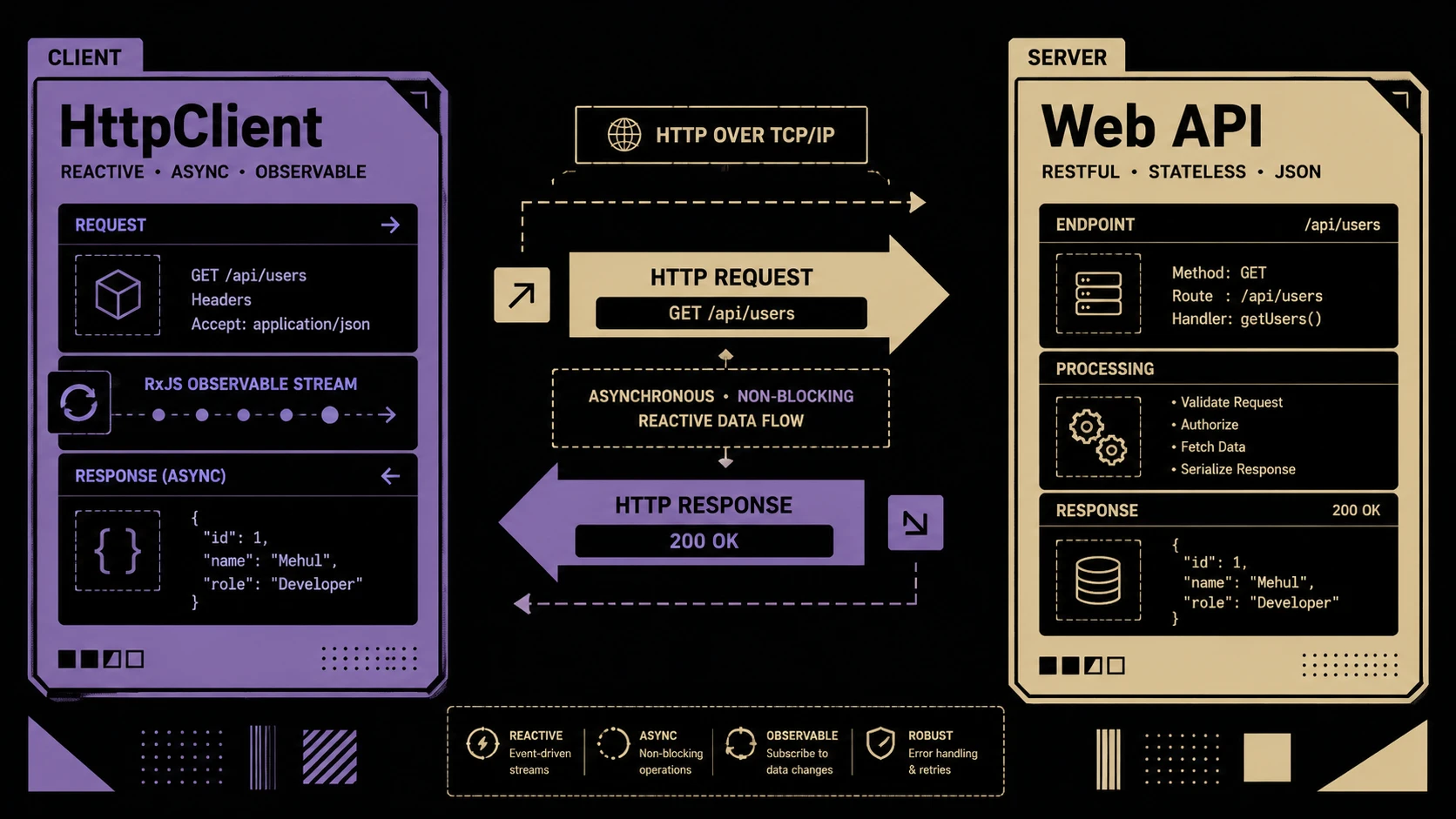
Java 11 becomes the next Long-Term Support (LTS) release, delivering a standardized HTTP Client API, continued improvements to the Java Platform Module System, G1 Garbage Collector enhancements, and numerous platform refinements. This article examines Java 11 from the perspective of September 2018, focusing on enterprise modernization, migration planning, and production adoption.
Babel 7.0 Release: Scoped Packages, TypeScript Presets, and AST Compilation
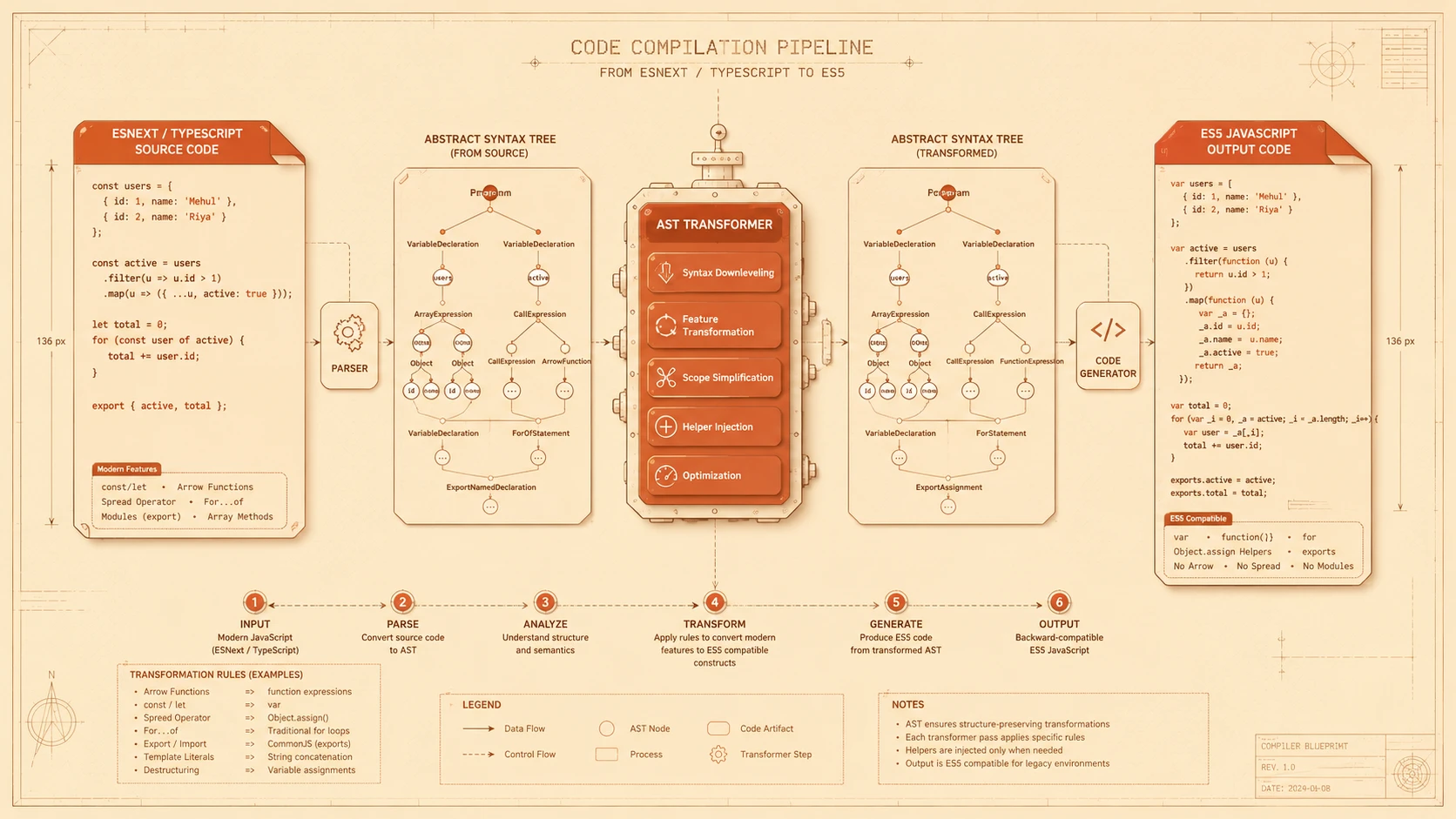
Babel 7.0 introduces scoped packages, improved configuration management, TypeScript support through official presets, monorepo improvements, and significant compiler architecture refinements. This article examines Babel 7.0 from the perspective of July 2018, focusing on enterprise JavaScript build systems, compiler internals, AST transformations, and migration strategies.

Android Jetpack: Modernizing Android Development with WorkManager and Navigation Components
Announced at Google I/O 2018, Android Jetpack introduces a comprehensive suite of architecture libraries designed to simplify Android application development. With components such as WorkManager, Navigation, ViewModel, LiveData, Room, and Paging, Jetpack aims to reduce boilerplate code, improve lifecycle management, and establish consistent architectural patterns for enterprise mobile applications. This article examines Android Jetpack from the perspective of May 2018.

Java 10: Modifying JVM Syntax with Local Variable Type Inference
Java 10 introduces Local Variable Type Inference through the `var` reserved type name, simplifying local variable declarations while preserving Java's strong static typing. This article examines the feature's design, compiler behavior, enterprise best practices, migration considerations, and architectural implications from the perspective of March 2018.

React 16.3: Context API, getDerivedStateFromProps, and StrictMode Verification
React 16.3 introduces several foundational improvements for enterprise application development, including a redesigned Context API, new lifecycle methods such as getDerivedStateFromProps, StrictMode for development-time verification, and improvements to refs. This article examines React 16.3 from the perspective of February 2018, evaluating its architecture, migration strategy, and implications for large-scale React applications.
React 16.0: The Fiber Scheduler, Portals, and Error Boundaries
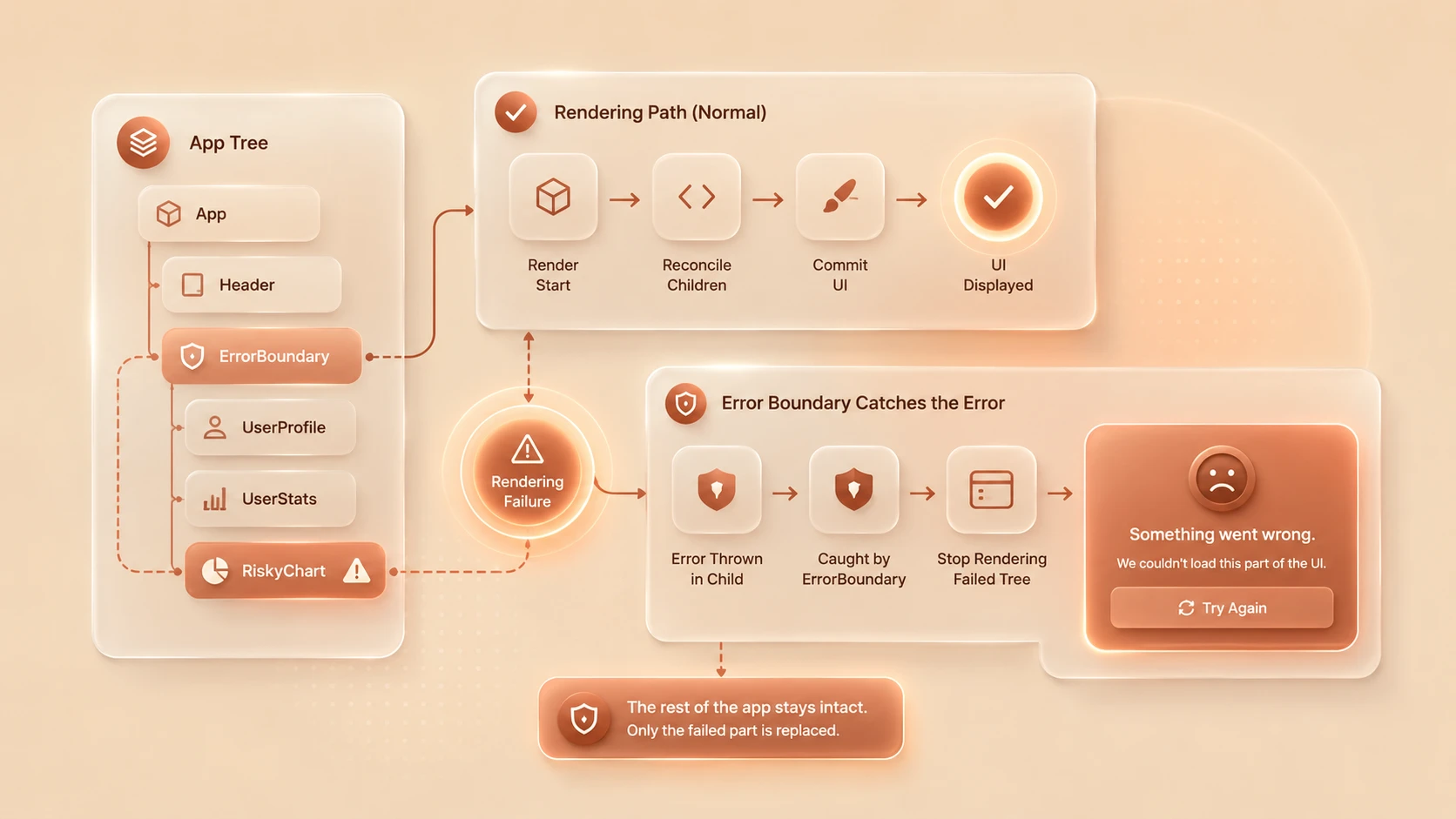
React 16.0 introduces the first production release built on the new Fiber architecture, fundamentally redesigning React's rendering engine while adding Error Boundaries, Portals, improved server-side rendering, and smaller bundle sizes. This article examines React 16.0 from the perspective of September 2017, evaluating its architecture, enterprise implications, performance improvements, and migration strategy.

Java 9 Module System: Modularity and Encapsulation with Project Jigsaw Previews
Project Jigsaw previews introduce the Java Platform Module System (JPMS), bringing strong encapsulation, explicit module dependencies, and improved application modularity to the Java ecosystem. This article explores the architecture, module descriptors, dependency resolution, enterprise migration strategies, and adoption considerations from the perspective of March 2017.
Kotlin 1.0 Release: Java Interoperability, Null Safety, and JVM Compilation
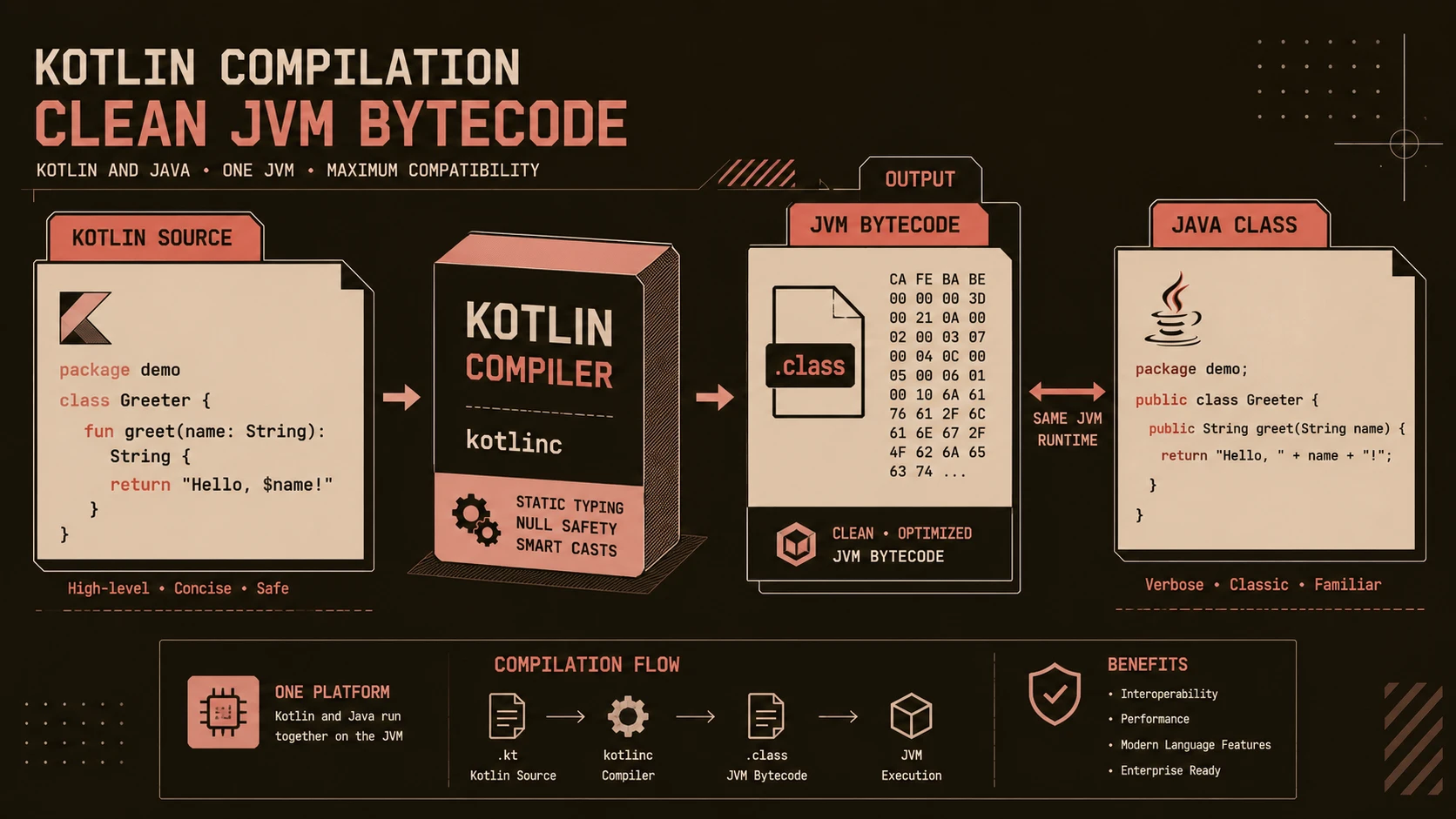
With the release of Kotlin 1.0, JetBrains delivers a stable, production-ready programming language designed for seamless Java interoperability, improved null safety, concise syntax, and efficient JVM compilation. Kotlin enables organizations to modernize existing Java applications while leveraging the mature Java ecosystem. This article examines Kotlin 1.0 from the perspective of March 2016, exploring its architecture, enterprise use cases, performance characteristics, scalability, and adoption considerations.

C# 6.0 and Roslyn Compiler: String Interpolation and Null-Conditional Operators
Microsoft continues modernizing the .NET ecosystem with the Roslyn compiler platform and the evolving C# 6.0 language. Features such as string interpolation and the null-conditional operator aim to reduce boilerplate code while improving readability and developer productivity. This article examines these technologies from the perspective of December 2014, focusing on enterprise architecture, compiler innovation, and practical adoption strategies.

C# 5.0 and .NET 4.5: The Async/Await Revolution is Here
C# 5.0 and .NET Framework 4.5 introduce async and await, significantly simplifying asynchronous programming. This article explores the language features, runtime architecture, enterprise implications, performance considerations, and best practices for adopting asynchronous programming from the perspective of late 2012.

SaaS vs. On-Premise: Key Lessons from the Launch of Office 365
Microsoft's launch of Office 365 marks a significant milestone in enterprise cloud computing. Combining Exchange Online, SharePoint Online, Lync Online, and Office productivity tools, Office 365 introduces a compelling Software-as-a-Service model for organizations evaluating the transition from traditional on-premise infrastructure. This article examines the architectural implications, benefits, challenges, and adoption strategies from the perspective of June 2011.

Silverlight 5 Beta: The Final Stand of Rich Browser Plug-ins
Silverlight 5 Beta introduces significant enhancements for enterprise application development, including improved graphics, media capabilities, 64-bit browser support, and developer productivity features. As HTML5 continues to gain industry attention, enterprise architects must evaluate where Silverlight remains a strong choice for business applications in 2011.

Designing Scalable HTTP APIs: Early Architectures with WCF Web API
As HTTP-based services gain momentum beyond traditional SOAP web services, Microsoft's WCF Web API preview introduces a new programming model for building resource-oriented APIs. Learn how enterprise architects can evaluate its architecture, scalability considerations, and adoption strategies in late 2010.

WPF 4.0: Enterprise UI Design with MVVM Pattern and XAML
Windows Presentation Foundation 4.0 continues to strengthen Microsoft's desktop application platform by improving performance, simplifying UI development, and enabling better separation of concerns through the MVVM pattern. Learn how enterprise teams can leverage WPF 4.0 and XAML to build modern business applications.

The Shift to Cloud Infrastructure: How AWS EC2 and S3 Are Redefining Hosting Costs
Cloud computing is rapidly moving from an experimental concept to a viable enterprise infrastructure strategy. This article explores how Amazon EC2 and S3 are changing the economics of hosting, what architects should consider before migration, and where cloud infrastructure delivers the greatest business value as of May 2010.