Agentic AI
Viewing all posts categorized under Agentic AI.


ES Modules in Chrome 61: Native JavaScript Import/Export inside Browser Engines
Chrome 61 introduces native support for ECMAScript (ES) Modules, allowing browsers to load JavaScript using standardized import and export statements without requiring proprietary module systems at runtime. This milestone moves web development closer to a unified JavaScript module standard, reducing dependency on browser-specific loaders while improving application maintainability and enabling better optimization opportunities. This article examines native ES Modules from the perspective of August 2017.
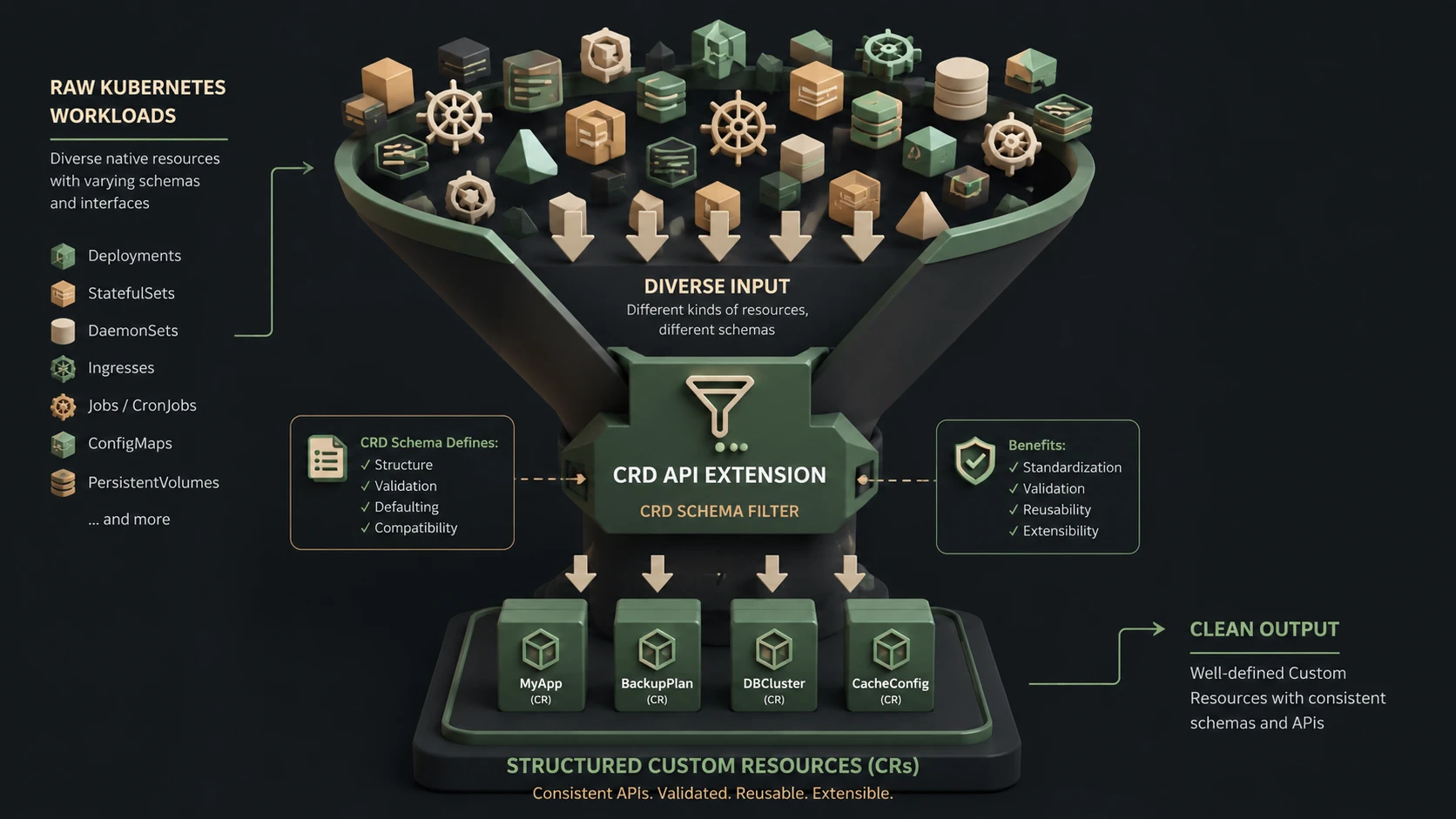
Kubernetes 1.7: Custom Resource Definitions (CRDs) and Operator Architectures
Kubernetes 1.7 introduces Custom Resource Definitions (CRDs) in beta, providing a significantly simpler mechanism for extending the Kubernetes API without writing custom API servers. Combined with the growing Operator pattern pioneered by CoreOS, CRDs enable enterprise teams to model complex distributed applications as first-class Kubernetes resources. This article examines Kubernetes 1.7 from the perspective of July 2017.

ES8 / ECMAScript 2017: Async/Await Primitives and Shared Memory Allocations
ECMAScript 2017 introduces async functions and await expressions as first-class language features, simplifying asynchronous programming while complementing Promises. Alongside shared memory primitives introduced through SharedArrayBuffer and Atomics, JavaScript continues evolving into a language suitable for increasingly sophisticated enterprise and high-performance applications. This article examines these capabilities from the perspective of June 2017.

Android Architecture Components: Standardizing Lifecycle-Aware Mobile Apps
Google has introduced Android Architecture Components to address long-standing architectural challenges in Android application development. Announced during Google I/O 2017, the new libraries provide lifecycle-aware components, improved data persistence, and recommended architectural patterns that simplify the development of scalable and maintainable mobile applications. This article examines Android Architecture Components from the perspective of May 2017.

Kotlin on Android: Google Announces Official First-Class Support at Google I/O
At Google I/O 2017, Google officially announced first-class support for Kotlin as a programming language for Android development. Developed by JetBrains, Kotlin introduces modern language features while maintaining full interoperability with Java. This article examines the announcement from the perspective of May 2017, exploring Kotlin's architecture, enterprise implications, performance characteristics, interoperability model, and adoption strategy.
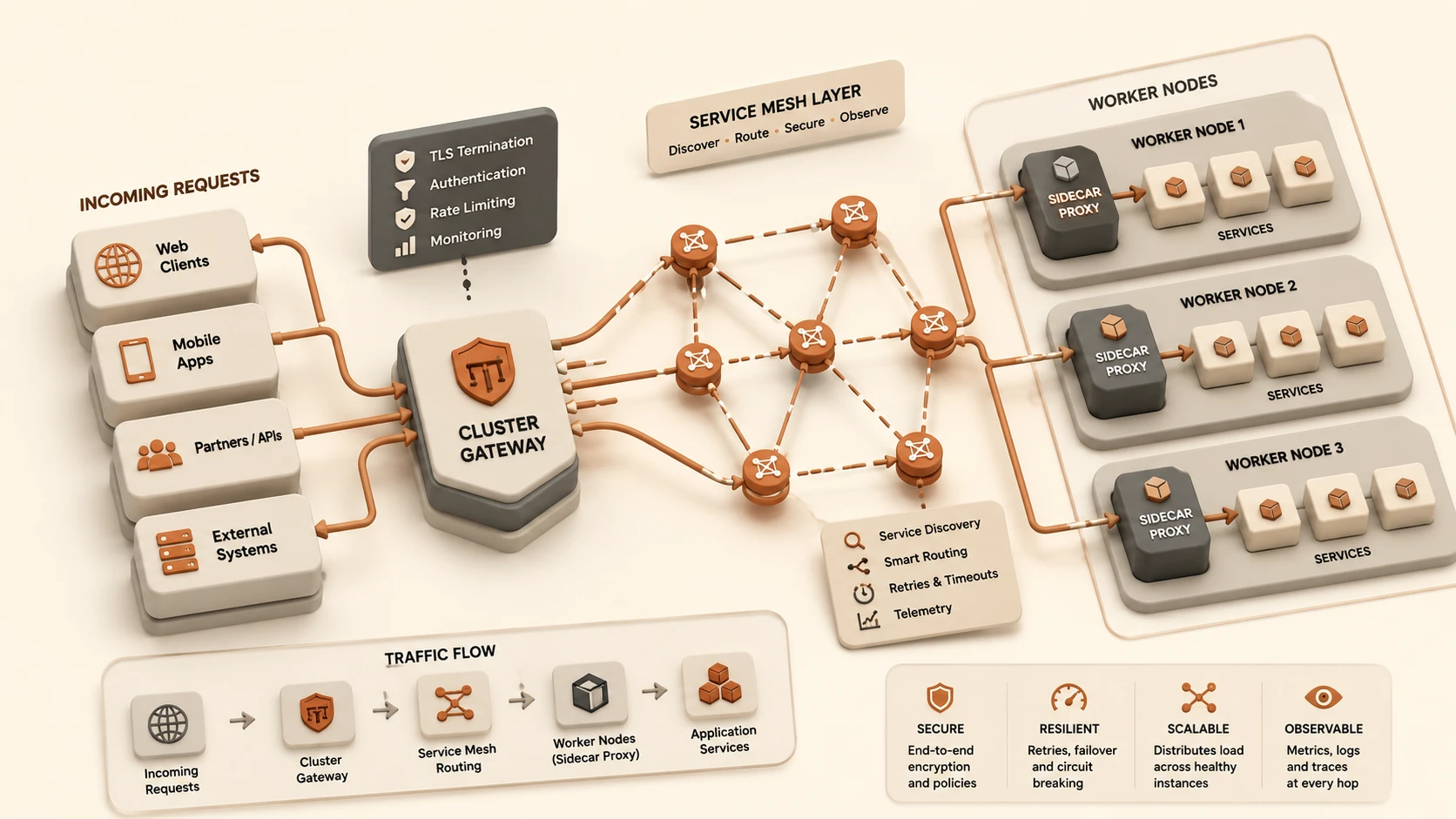
Docker Swarm Ingress Routing: Orchestrating Cluster Load Balancers
Docker 1.12 introduced Swarm Mode as a native clustering solution, bringing built-in orchestration, service discovery, and ingress routing to Docker Engine. This article examines the ingress routing architecture, routing mesh, service scheduling, networking model, and enterprise deployment considerations from the perspective of December 2016.

Swift 3.0 Source-Breaking Changes: Standardizing API Design Guidelines
Swift 3.0 represents the largest language refinement since Swift was introduced. By adopting comprehensive API Design Guidelines, simplifying syntax, improving interoperability with Objective-C, and introducing intentional source-breaking changes, Apple aims to create a more consistent and maintainable programming language for long-term application development. This article examines Swift 3.0 from the perspective of October 2016.

Webpack 2.0 Previews: Implementing Tree Shaking and Native ES Modules
Webpack 2.0 previews introduce significant improvements to modern JavaScript application development, including first-class ES2015 module support and tree shaking for eliminating unused code. As enterprise Single Page Applications continue growing in size and complexity, these enhancements promise smaller bundles, improved maintainability, and more efficient build pipelines. This article examines Webpack 2.0 preview capabilities from the perspective of August 2016.
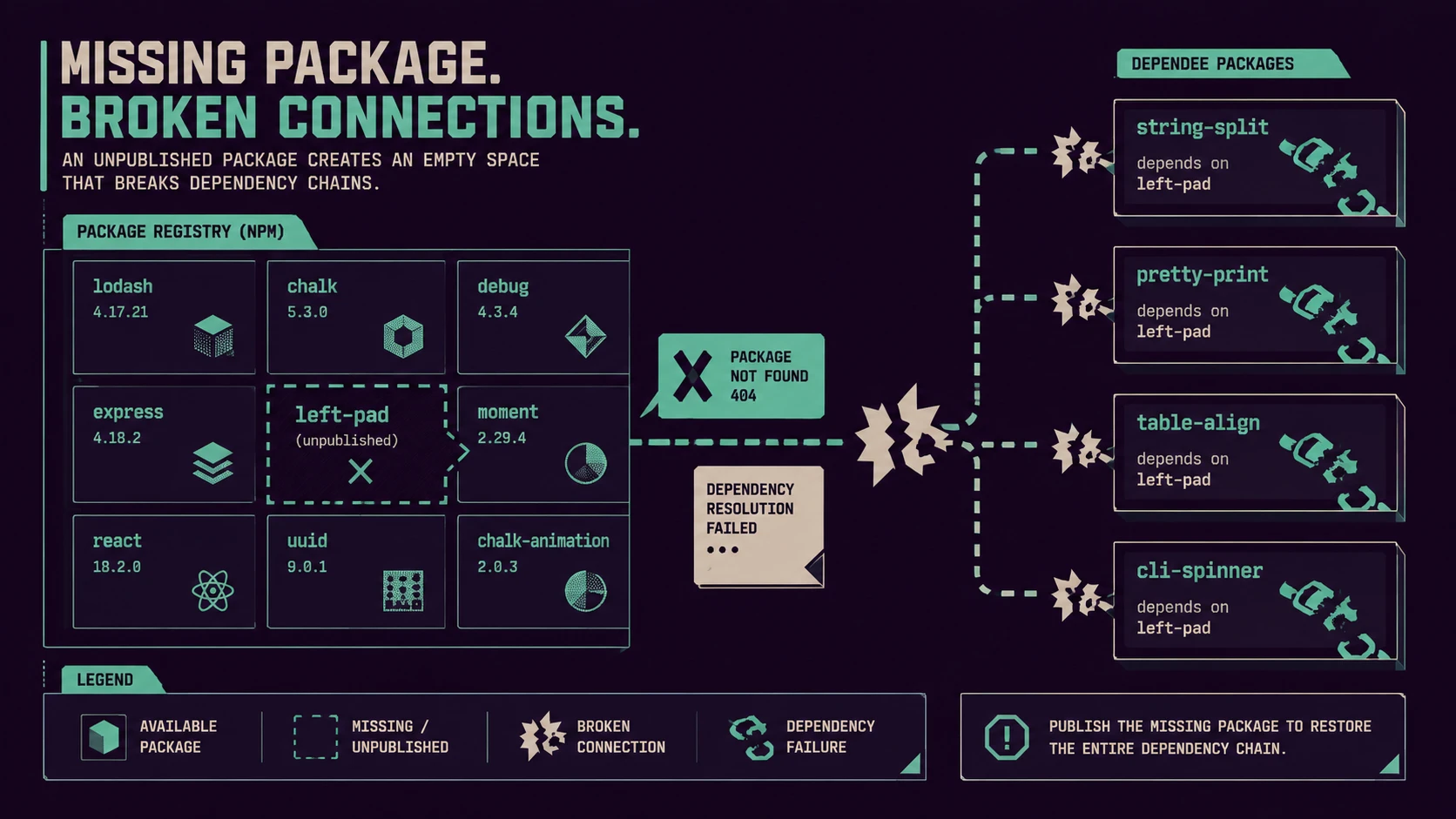
NPM Package Management Security: Deconstructing the Left-Pad Packaging Crisis
The unexpected removal of the Left-Pad package from the NPM registry exposed how deeply modern JavaScript applications depend on third-party packages. This article examines the incident from the perspective of March 2016, exploring dependency management, package registry governance, software supply chain security, and enterprise best practices for managing Node.js ecosystems.
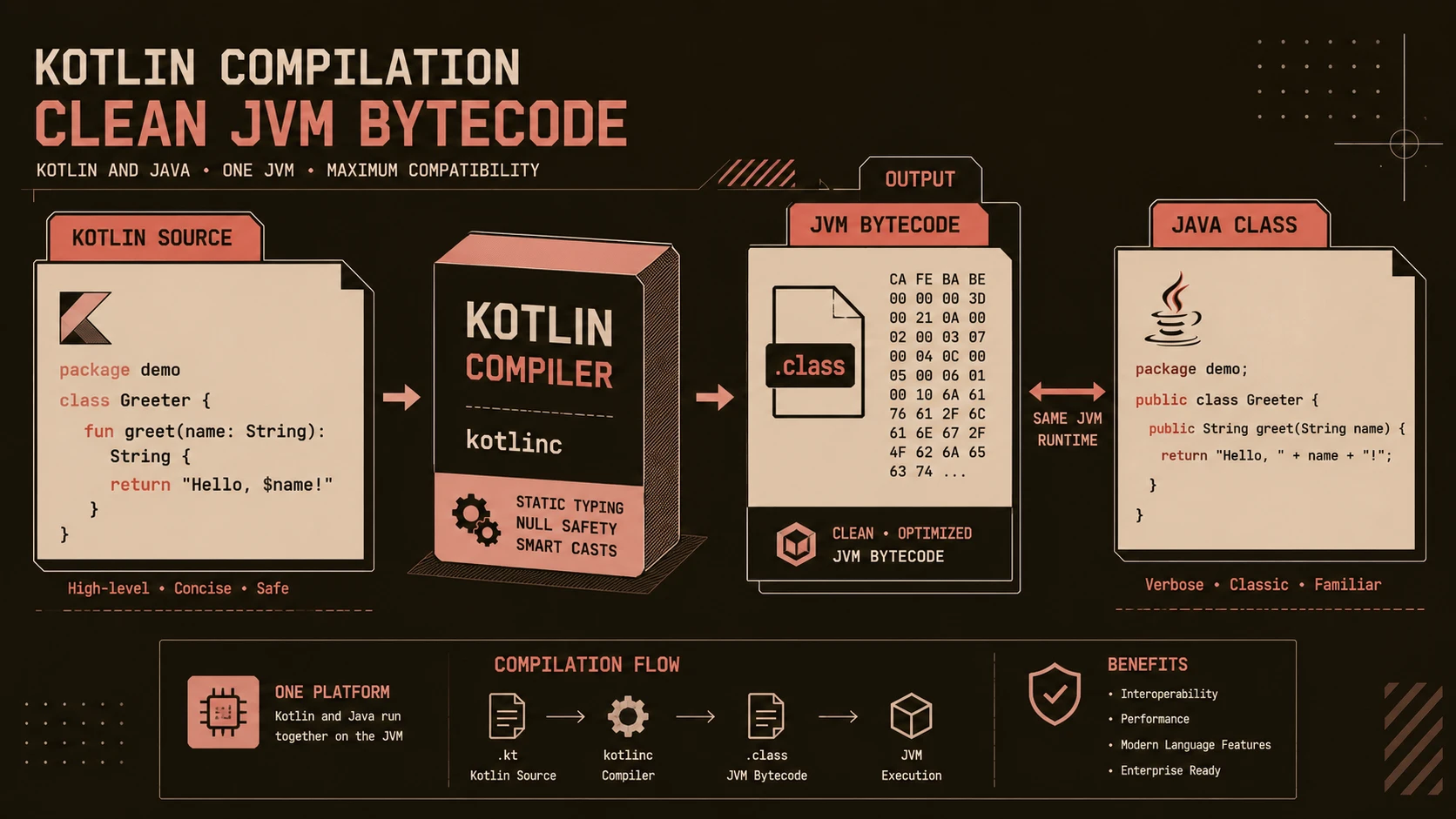
Kotlin 1.0 Release: Java Interoperability, Null Safety, and JVM Compilation
With the release of Kotlin 1.0, JetBrains delivers a stable, production-ready programming language designed for seamless Java interoperability, improved null safety, concise syntax, and efficient JVM compilation. Kotlin enables organizations to modernize existing Java applications while leveraging the mature Java ecosystem. This article examines Kotlin 1.0 from the perspective of March 2016, exploring its architecture, enterprise use cases, performance characteristics, scalability, and adoption considerations.

Redux 3.0: Standardizing State Management inside React Single Page Applications
Redux 3.0 has emerged as a leading state management library for React applications by introducing a predictable unidirectional data flow built around a single application store, actions, and pure reducers. As enterprise Single Page Applications continue growing in complexity, Redux provides a structured approach for managing application state, simplifying debugging, improving maintainability, and enabling scalable front-end architecture. This article examines Redux 3.0 from the perspective of January 2016.

CSS Custom Properties: Browser Support and Dynamic Runtime Variables
CSS Custom Properties introduce native runtime variables to CSS, enabling more maintainable styling architectures and dynamic theming without relying entirely on CSS preprocessors. This article examines the technology, browser support, architecture, performance, and enterprise implications from the perspective of January 2016.

HTTP/2 in Production: Configuring Nginx Reverse Proxy with HTTPS Protocols
With HTTP/2 becoming available across modern browsers and web servers, enterprises are evaluating how the new protocol can improve website performance without changing application logic. This article examines HTTP/2 from the perspective of December 2015, focusing on Nginx reverse proxy deployments, HTTPS requirements, multiplexing, server configuration, performance benefits, and operational best practices.

TensorFlow Open Source: Computation Graphs and Declarative Machine Learning Pipelines
Google has open sourced TensorFlow, a machine learning framework designed around data flow graphs that enables scalable model development across CPUs, GPUs, and distributed environments. This article examines TensorFlow from the perspective of November 2015, exploring its architecture, enterprise applications, performance considerations, and its potential role in production machine learning infrastructure.

Swift 2.0 Open Source: Memory Management, Error Handling, and Protocol Extensions
Apple has released Swift 2.0 alongside the decision to open source the Swift programming language, marking a significant milestone in modern software development. With improvements including structured error handling, protocol extensions, compiler enhancements, and continued Automatic Reference Counting (ARC) optimizations, Swift 2.0 positions itself as a production-ready language for building reliable and maintainable applications. This article examines Swift 2.0 from the perspective of September 2015, exploring its architecture, enterprise implications, performance characteristics, and adoption strategy.