Agentic AI
Viewing all posts categorized under Agentic AI.


TypeScript 3.7: Optional Chaining and Nullish Coalescing Syntax Support
TypeScript 3.7 introduces two of the language's most anticipated features: Optional Chaining and Nullish Coalescing. Combined with assertion functions, recursive type aliases, and compiler improvements, this release significantly simplifies defensive programming while improving code readability and maintainability for enterprise-scale applications. This article examines TypeScript 3.7 from the perspective of November 2019.

Svelte 3.0 Release: Compiler Reactivity without the Virtual DOM
Svelte 3.0 introduces a compiler-first approach to front-end development, shifting much of the framework's work from the browser to build time. By eliminating the Virtual DOM and embracing compiler-driven reactivity, Svelte aims to deliver smaller bundles, faster runtime performance, and a simpler developer experience. This article examines Svelte 3.0 from the perspective of May 2019.

Vue.js 3.0 Composition API RFC: Rethinking Code Reuse in Vue Apps
The Vue.js 3.0 Composition API RFC introduces a new programming model aimed at improving code organization, logic reuse, and scalability in large Vue applications. Rather than replacing the familiar Options API, the proposal offers an alternative approach that groups code by feature instead of component option. This article examines the Composition API RFC from the perspective of February 2019, when it was first introduced for community feedback.

React 16.8 Release: Standardizing React Hooks and Stateful Functional Components
React 16.8 introduces Hooks, one of the most significant API additions since React's original release. Hooks allow functional components to manage state, lifecycle behavior, and side effects without classes, simplifying component architecture while improving code reuse and maintainability. This article examines React 16.8 from the perspective of February 2019, evaluating its architecture, enterprise implications, performance characteristics, migration strategies, and adoption guidance.

WebAssembly Threads: SharedArrayBuffer and Concurrency in the Browser
WebAssembly Threads introduce a standardized model for parallel execution inside modern browsers by combining SharedArrayBuffer and JavaScript Atomics. As browser vendors continue restoring shared memory capabilities following Spectre mitigations, WebAssembly gains an important foundation for computationally intensive applications. This article examines the architecture, programming model, enterprise implications, and adoption considerations from the perspective of January 2019.

Kubernetes 1.13: Container Storage Interface (CSI) Graduation to GA
Kubernetes 1.13 marks a major milestone with the Container Storage Interface (CSI) graduating to General Availability. CSI establishes a standardized storage plugin architecture that enables storage vendors to innovate independently from Kubernetes releases while simplifying enterprise storage integration for stateful workloads. This article examines Kubernetes 1.13 from the perspective of December 2018.

Kubernetes 1.11: IPVS Load Balancing and CoreDNS Cluster Integrations
Kubernetes 1.11 introduces major networking improvements with IPVS-based Service load balancing reaching General Availability and CoreDNS graduating to beta as a replacement for kube-dns. These enhancements improve scalability, networking performance, operational simplicity, and DNS reliability for production Kubernetes clusters. This article examines Kubernetes 1.11 from the perspective of July 2018.

Android Jetpack: Modernizing Android Development with WorkManager and Navigation Components
Announced at Google I/O 2018, Android Jetpack introduces a comprehensive suite of architecture libraries designed to simplify Android application development. With components such as WorkManager, Navigation, ViewModel, LiveData, Room, and Paging, Jetpack aims to reduce boilerplate code, improve lifecycle management, and establish consistent architectural patterns for enterprise mobile applications. This article examines Android Jetpack from the perspective of May 2018.

Rust 2018 Edition: Modular Path Refactoring and Non-Lexical Lifetimes
The Rust 2018 Edition represents a major step in the language's evolution by refining module paths, improving package organization, introducing Non-Lexical Lifetimes (NLL), and enhancing developer productivity while maintaining backward compatibility. This article examines the initiative from the perspective of May 2018, exploring its architecture, compiler improvements, enterprise implications, and adoption strategy.

Go 1.10: Incremental Compiler Caching and Test Run Optimizations
Go 1.10 introduces one of the most practical performance-focused releases since the language's introduction. By adding automatic build caching, intelligent test result caching, and numerous compiler and toolchain improvements, Go significantly reduces build times while improving developer productivity. This article examines Go 1.10 from the perspective of February 2018 and evaluates its impact on enterprise software engineering.
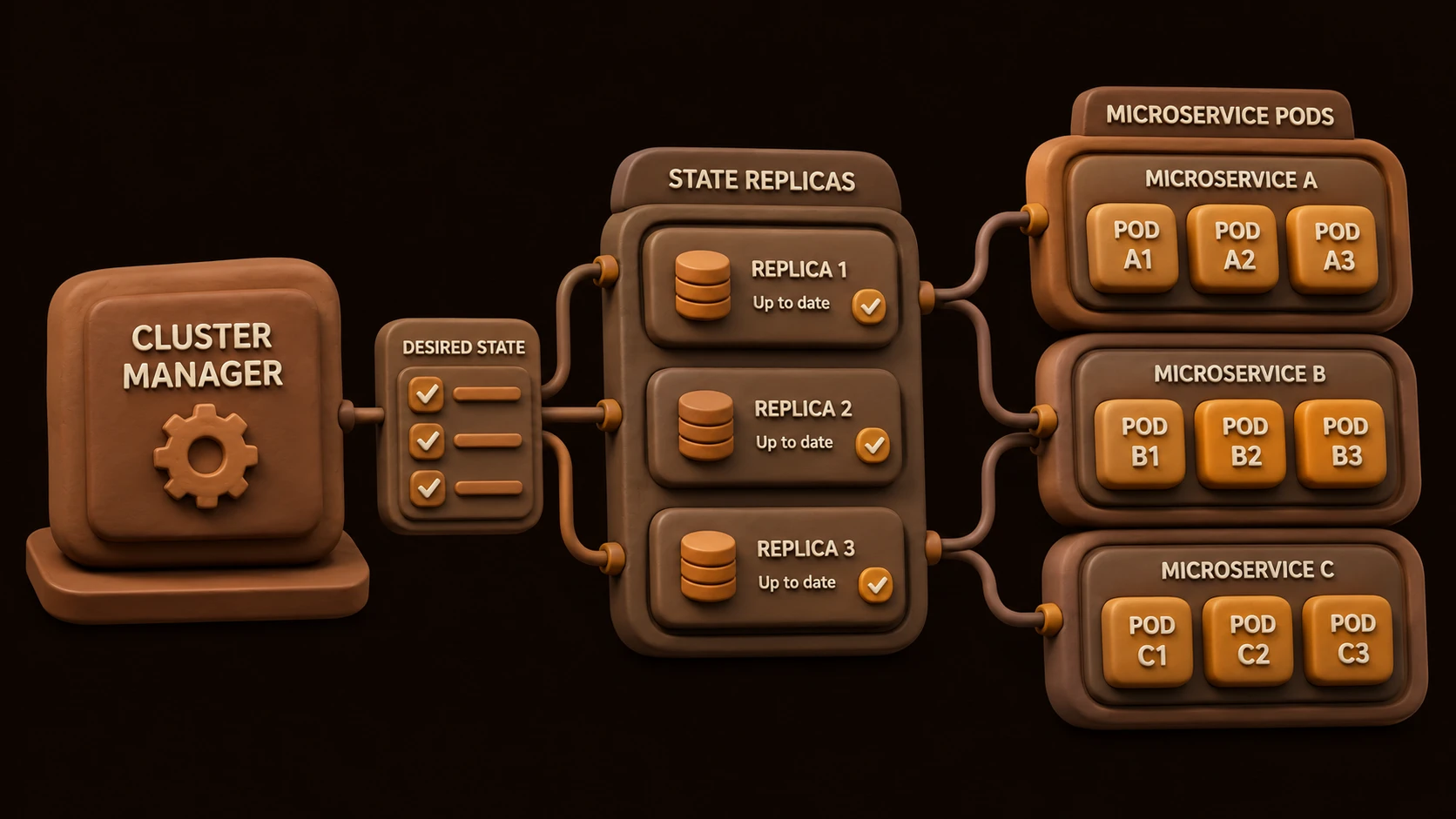
Kubernetes 1.9 Workloads API GA: The Stabilization of Production Pod Controllers
Kubernetes 1.9 marks a significant milestone with the General Availability of the Workloads API, providing stable APIs for Deployments, ReplicaSets, StatefulSets, and DaemonSets. This release strengthens Kubernetes as an enterprise-grade container orchestration platform by improving API consistency, operational stability, and production readiness. This article examines Kubernetes 1.9 from the perspective of December 2017.

C# 7.1 Compiler Updates: Asynchronous Main Entry Points and Pattern Matching Refinements
C# 7.1 continues the evolution of the language by introducing asynchronous Main methods, inferred tuple element names, default literal expressions, and refinements to pattern matching. This article examines the language improvements, compiler behavior, enterprise adoption considerations, and architectural implications from the perspective of December 2017.

Firefox Quantum: Servo CSS Engine Integration and the Rust Web Browser Era
Firefox Quantum introduces one of the most significant architectural redesigns in Mozilla's history. By integrating components from the Servo research browser, including the Rust-based Quantum CSS engine, Firefox gains improved parallelism, modern memory safety techniques, and substantial rendering performance improvements. This article examines Firefox Quantum from the perspective of November 2017, exploring its architecture, enterprise implications, rendering pipeline, and adoption strategy.
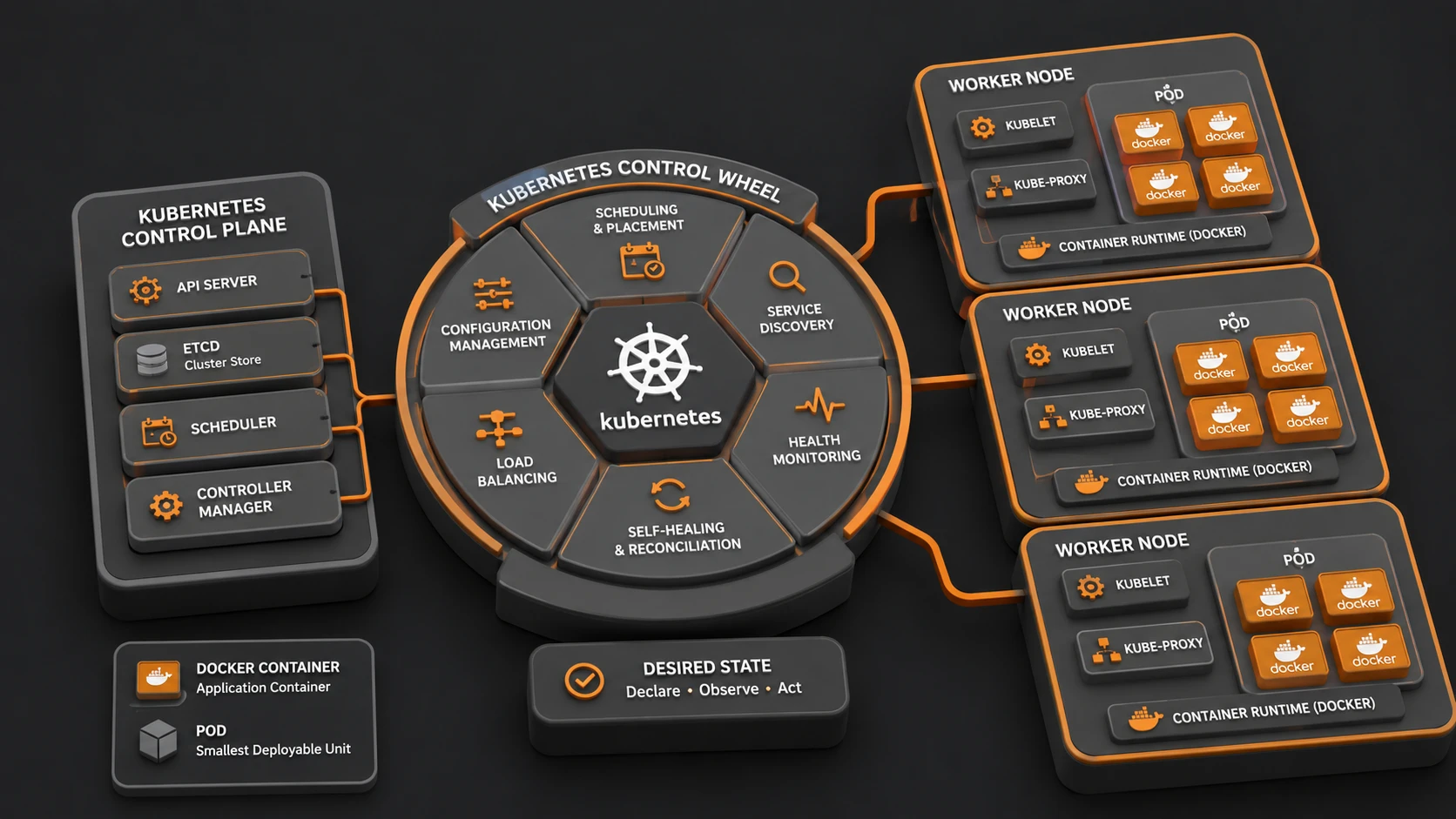
Docker and Kubernetes Native Integration: The End of Orchestration Wars
Docker's announcement of native Kubernetes support within Docker Enterprise Edition marks a major turning point for enterprise container platforms. Rather than forcing organizations to choose between Docker Swarm and Kubernetes, Docker is embracing Kubernetes as a first-class orchestrator alongside Swarm. This shift has significant implications for enterprise infrastructure, DevOps teams, and cloud-native application strategies. This article examines the announcement from the perspective of October 2017.

Java 9 Final Release: The Module System, JShell REPL, and G1 Garbage Collector
Java 9 marks one of the most significant platform releases since Java 8, introducing the Java Platform Module System, the JShell REPL, improvements to the G1 Garbage Collector, and numerous enhancements aimed at improving modularity, maintainability, and developer productivity. This article examines these capabilities from the perspective of September 2017.