Agentic AI
Viewing all posts categorized under Agentic AI.

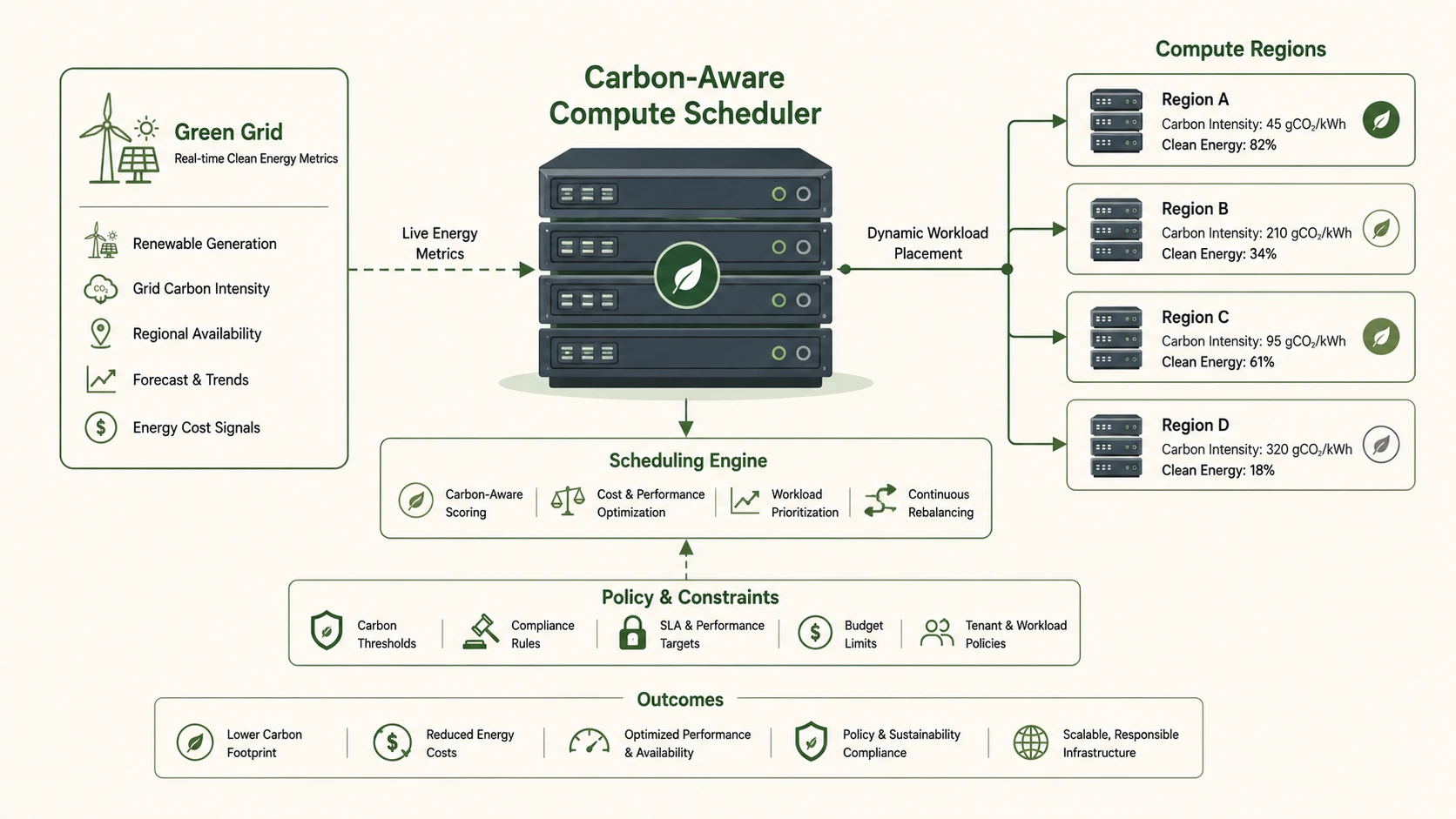
Green Cloud 2.0: Carbon-Smart Architectures and Sustainable Tech
Discover how Green Cloud 2.0 combines carbon-aware computing, renewable-powered cloud infrastructure, AI-driven resource optimization, and sustainable software engineering to reduce environmental impact without sacrificing performance.

XR + Web + AI: Experiences That Move Beyond Screens
Learn how XR, Web technologies, AI agents, spatial computing, and real-time cloud platforms combine to build intelligent immersive experiences for enterprise collaboration, training, retail, healthcare, and industrial operations.
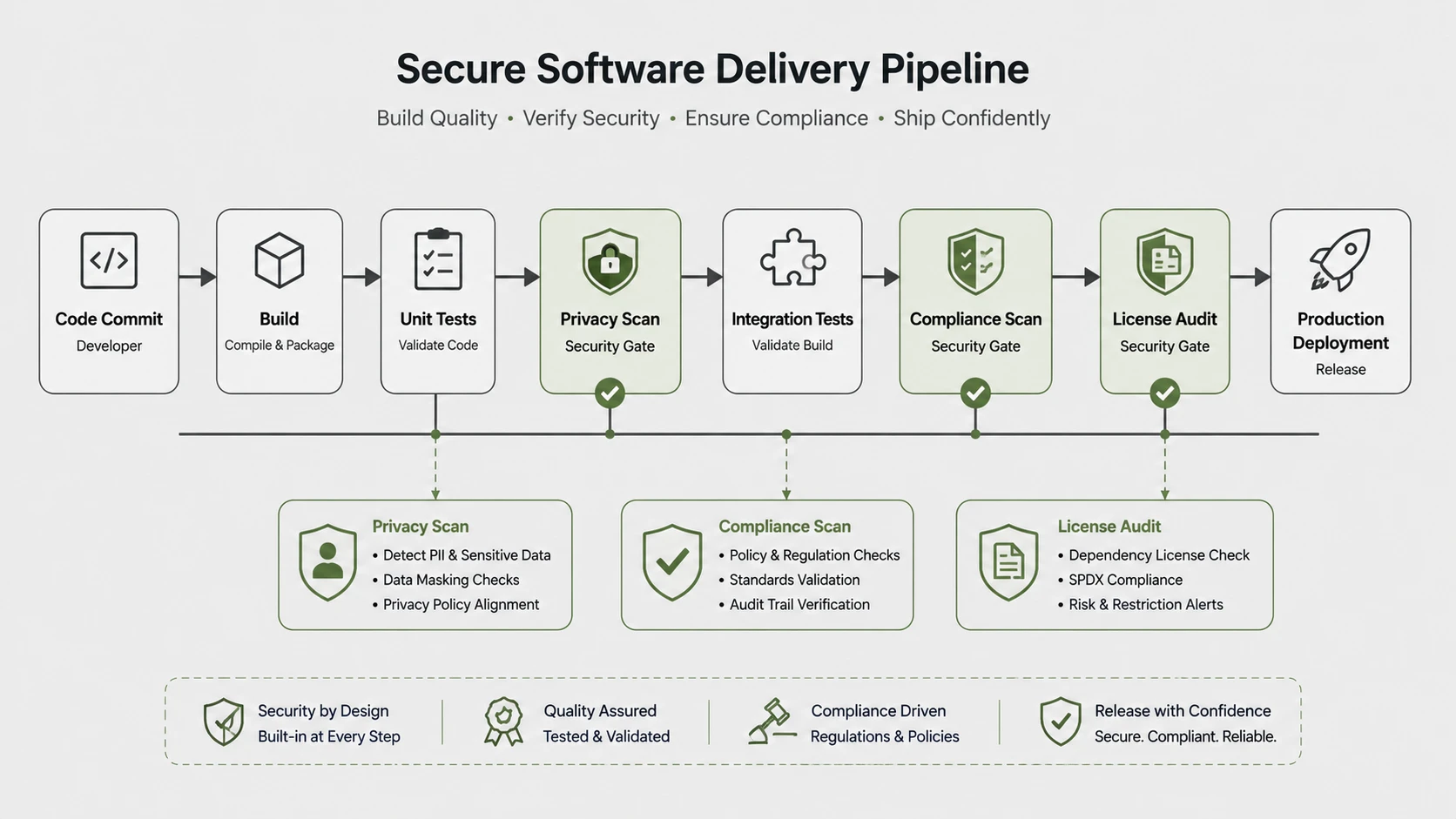
Ethical DevOps: Embedding Trust, Privacy & Security in the Pipeline
Learn how enterprises build trustworthy software delivery pipelines by embedding security, privacy, governance, compliance, and ethical AI principles directly into DevOps workflows through policy automation and continuous validation.

Serverless Containers and Function Meshes: The New Cloud Primitive
Learn how enterprises combine serverless containers, function meshes, event-driven architectures, and AI-powered orchestration to build highly scalable, cost-efficient, and cloud-native applications without managing infrastructure.
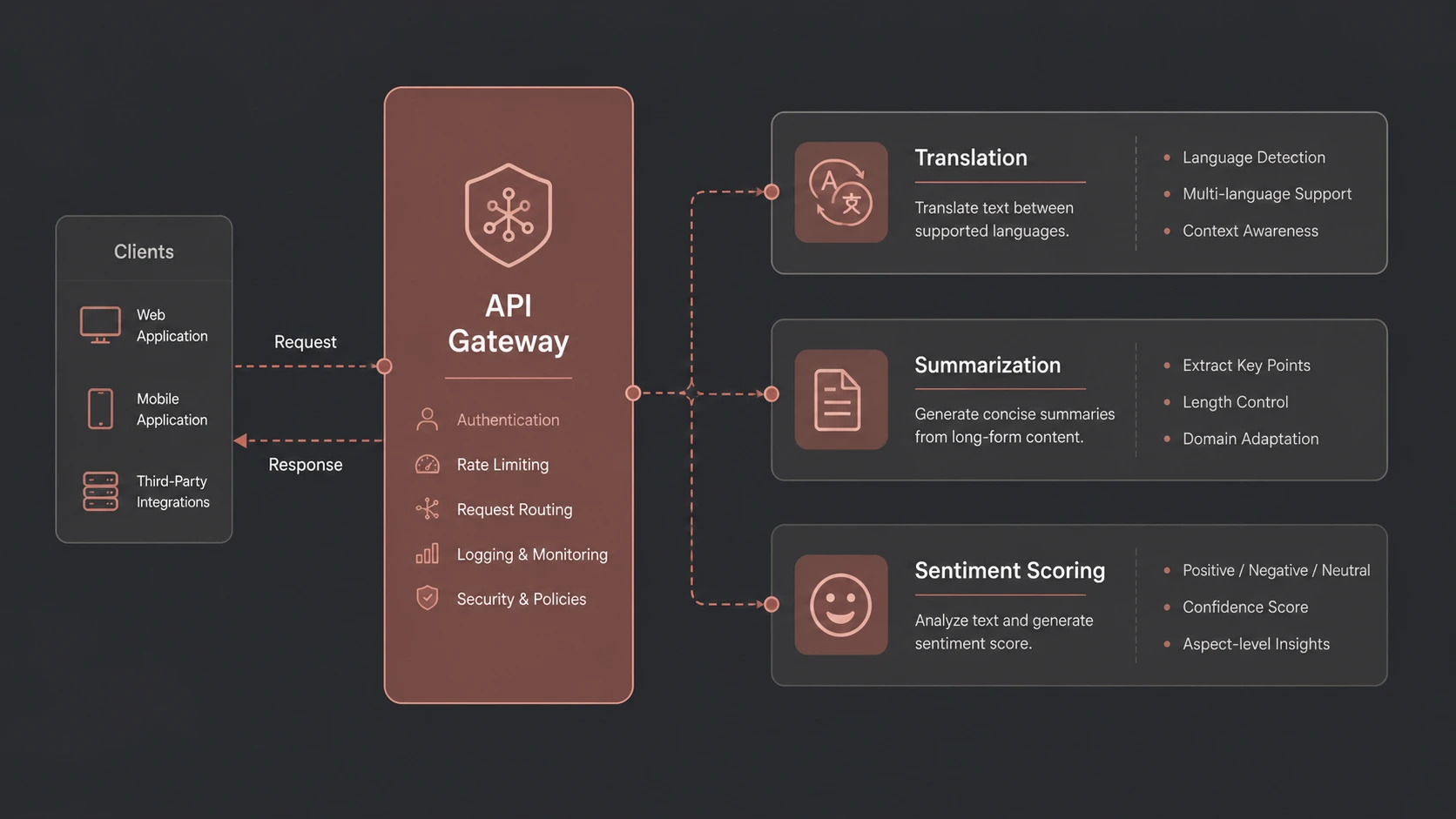
Composable AI-led Products: From Feature-Focus to Capability-Focus
Discover how enterprises are replacing feature-centric applications with composable AI-powered capability platforms, enabling faster innovation, reusable business services, intelligent automation, and scalable digital ecosystems.

Digital Sovereignty and Data Mesh 2.0: Architectures That Respect Borders
Explore how Digital Sovereignty and Data Mesh 2.0 help enterprises build decentralized, compliant, and border-aware data architectures without sacrificing scalability or innovation.

Quantum-Safe Cloud: Preparing for a Post-Quantum Era
Discover how quantum-safe cloud strategies help organizations transition to post-quantum cryptography, protect sensitive data, and future-proof enterprise cloud infrastructure.

AI-First Full Stack: When Every Layer Learns
Artificial Intelligence is no longer an isolated feature embedded into applications. By early 2025, AI is becoming an architectural principle that permeates every layer of the software stack—from user interfaces and APIs to databases, cloud infrastructure, observability, security, and developer tooling. This article explores the emergence of the AI-First Full Stack architecture from the perspective of February 2025.

Agentic AI at Scale: Architecting Autonomous Systems
Generative AI is rapidly evolving from conversational assistants into autonomous systems capable of planning, reasoning, tool usage, workflow execution, and long-running task orchestration. Enterprise organizations are increasingly adopting Agentic AI architectures that combine large language models, retrieval systems, planning engines, memory, and secure execution environments to automate complex business processes. This article explores architectural patterns, governance, scalability, security, and implementation strategies for Agentic AI from the perspective of January 2025.

Next-Gen Observability: From Metrics to Intelligence to Autonomy
By late 2024, enterprise observability has evolved far beyond collecting logs and dashboards. Modern platforms combine distributed tracing, OpenTelemetry, eBPF, AI-powered analytics, AIOps, and autonomous remediation to create intelligent operational systems capable of predicting incidents, identifying root causes, and automatically resolving production issues. This article explores the next generation of observability from the perspective of December 2024.

The Full-Cycle Engineer: When Developers Own Production, AI, and UX
By the end of 2024, software engineering has expanded far beyond writing application code. Modern developers increasingly participate in architecture, infrastructure, observability, AI integration, security, user experience, and business outcomes. This article examines the emergence of the Full-Cycle Engineer from the perspective of December 2024.

Data Sovereignty & Decentralized Architecture: Re-thinking Central Clouds
As data regulations evolve and organizations expand globally, enterprises are rethinking centralized cloud architectures in favor of distributed, sovereignty-aware platforms. This article explores data sovereignty, decentralized architectures, hybrid cloud strategies, edge computing, compliance, governance, and enterprise design patterns from the perspective of November 2024.

Generative UX: Designing Interfaces That Co-Create with AI
By late 2024, Generative AI is transforming user experience from static interfaces into intelligent, collaborative environments where applications generate content, adapt workflows, anticipate user intent, and assist decision-making in real time. This article explores the emergence of Generative UX, its architectural foundations, enterprise adoption strategies, and how AI is redefining software interaction from the perspective of November 2024.

Superapps & Embedded Experiences: The Platformization of Everything
By late 2024, enterprise applications are evolving beyond standalone products into interconnected digital ecosystems. Superapps, embedded financial services, AI copilots, composable platforms, and ecosystem APIs are enabling organizations to deliver multiple business capabilities through unified digital experiences. This article examines the rise of Superapps and Embedded Experiences from the perspective of October 2024.
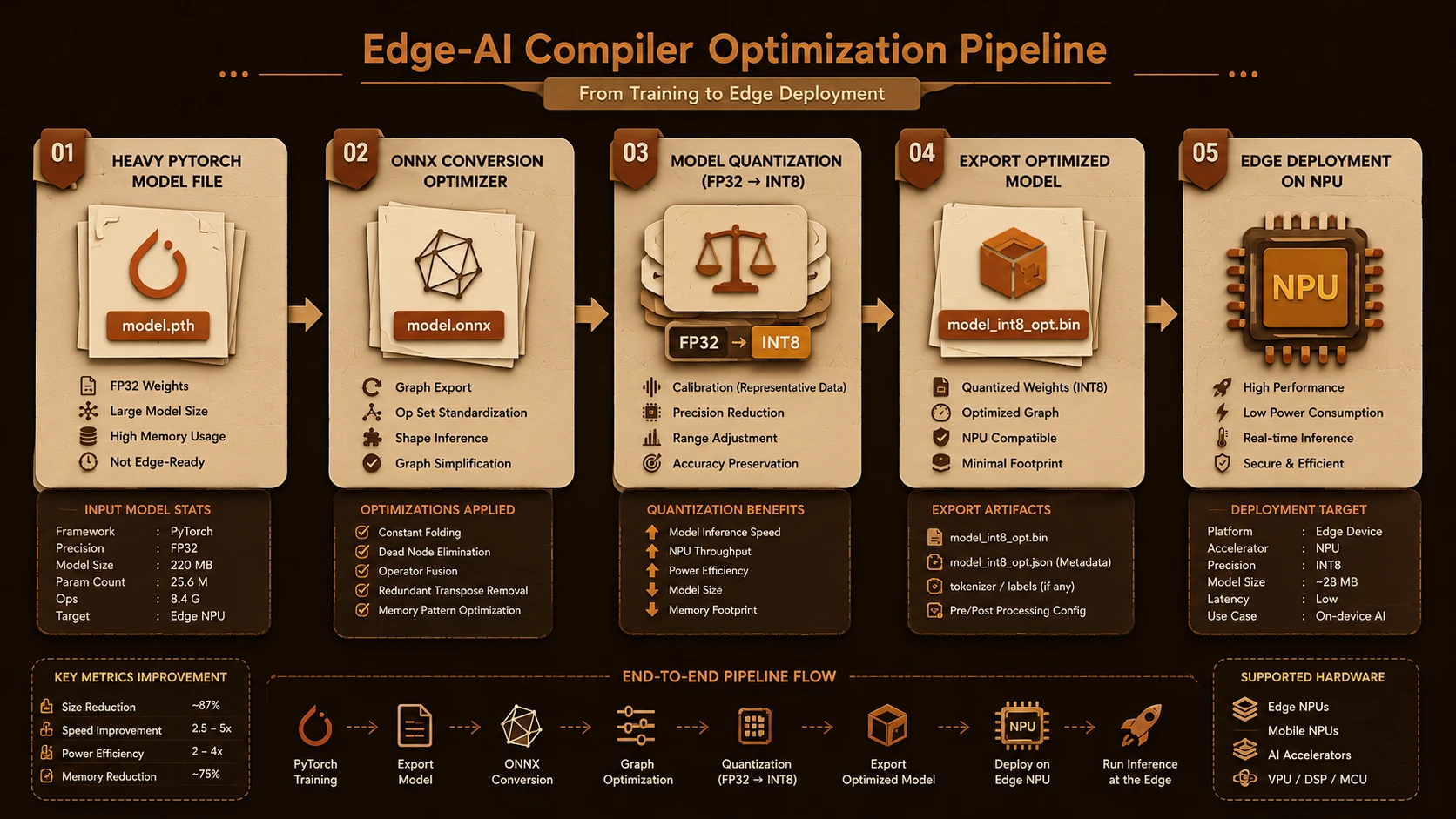
Edge-AI Workloads: Bringing ML to the Device, Not Just the Cloud
Artificial Intelligence is no longer confined to centralized cloud infrastructure. Advances in edge computing, specialized AI accelerators, lightweight foundation models, and optimized inference runtimes are enabling enterprises to execute machine learning workloads directly on devices. This article explores Edge AI architectures, deployment strategies, operational considerations, security, and enterprise adoption from the perspective of October 2024.